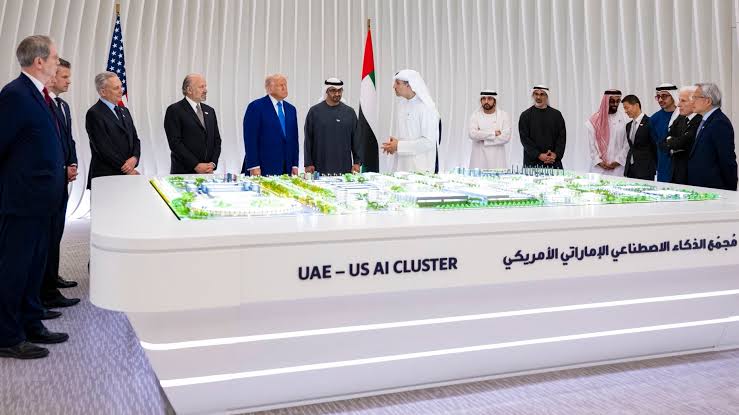
The United States just gave the United Arab Emirates something no other Middle Eastern country has. On July 10, 2026, the Commerce Department moved the UAE into Country Group A:5, the most favourable export control category available. This means approved UAE entities can now buy advanced AI chips and servers from American companies like Nvidia, AMD, and Cerebras without applying for individual export licenses.
This decision signals a smarter, more strategic approach to global technology leadership. It is a calculated bet that benefits American industry, strengthens a critical alliance, and accelerates global AI development in a way that keeps sensitive technology secure.
The Old Approach Created More Problems Than It Solved
For years, the US treated AI chips like a blunt instrument. The Biden administration expanded export controls that effectively barred shipments of flagship Nvidia chips to the UAE and Saudi Arabia. The logic was simple. Keep advanced technology away from countries that might let it flow to China.
But that logic had a blind spot. The UAE had developed deep tech ties with Chinese firms, partly because American restrictions pushed them to look elsewhere. When you deny a willing buyer access to your products, you do not stop their demand. You just send them to your competitors.
The Trump administration recognised this flaw. Officials argued that if the US did not sell chips to the UAE, China would. That is not a hypothetical threat. Chinese technology companies have been actively courting Middle Eastern partners for years. By keeping the UAE at arm’s length, Washington was essentially handing Beijing an opening.
The UAE Earned This Trust Through Action, Not Just Words
This policy change did not come out of nowhere. The Commerce Department explicitly cited the UAE’s status as a US Major Defense Partner, a designation held by only one other country. The UAE also supported US national security interests during Operation Epic Fury, the recent conflict with Iran.
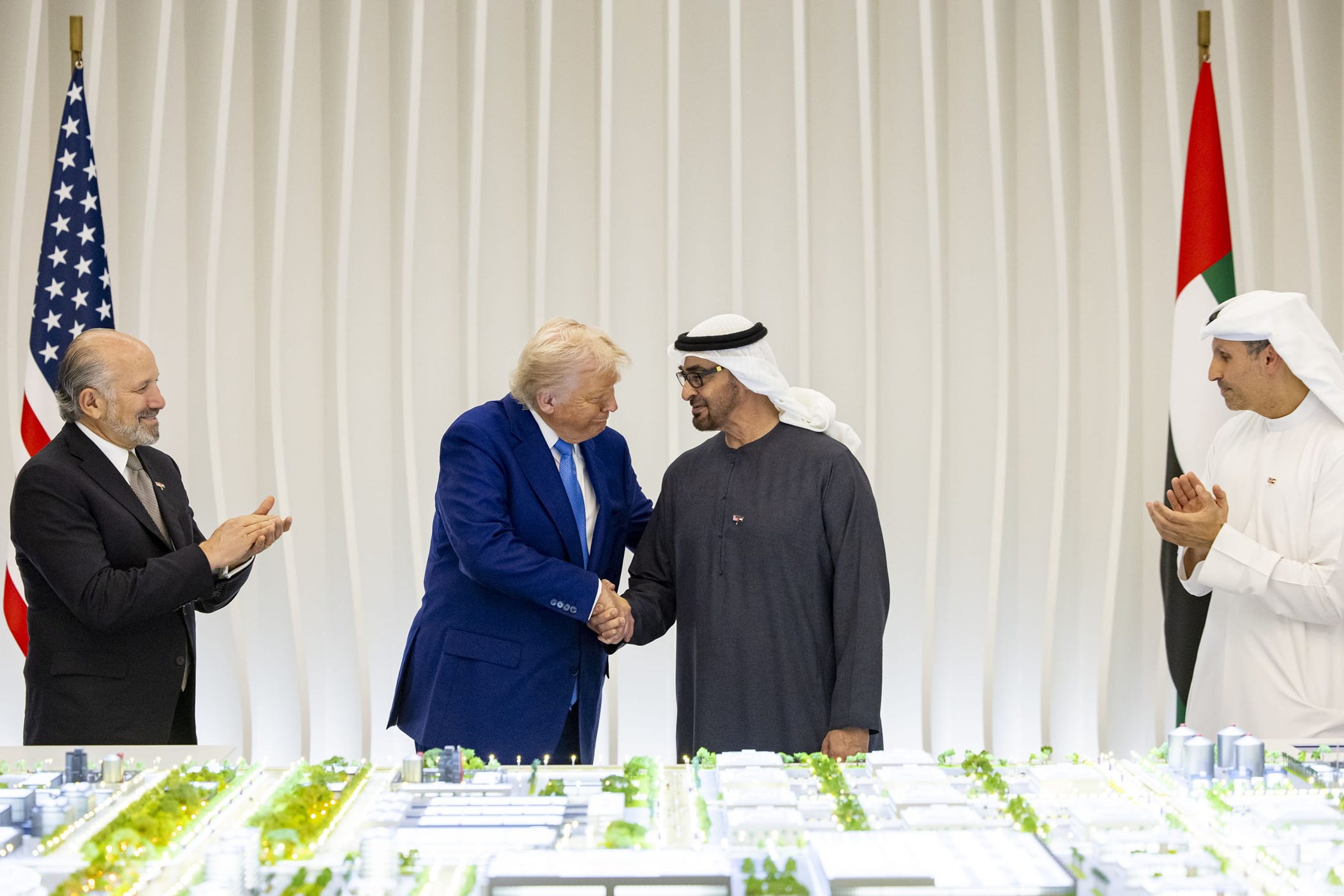
But the more important factor is what the UAE agreed to do. Under the US-UAE Artificial Intelligence Cooperation Framework signed in May 2025, the UAE committed to making matching investments in US AI digital infrastructure. In other words, the UAE is not just taking American chips. It is putting money back into American data centers, American jobs, and American AI leadership.
The UAE also reaffirmed its commitment to preventing the diversion and misuse of sensitive US technology. That is the critical safeguard. The US did not simply open the gates. It negotiated a deal that ties access to accountability.
American Companies Just Got a Massive New Market
Nvidia’s stock jumped 4 percent on the news, pushing its market value back above $5 trillion. AMD and Cerebras also saw significant gains. That is not just investor hype. It is a recognition that a major new market just opened up.
The UAE is already the largest US trading partner in the Middle East, with foreign direct investment in the United States valued at over $1 trillion. This new policy removes regulatory friction for companies like Amazon, Apple, Google, Meta, Microsoft, OpenAI, and xAI, all of which operate data centers in the UAE. They can now receive AI processors without separate licenses under the new framework.
For American tech companies, this means faster project timelines, less bureaucratic uncertainty, and a more reliable supply chain. For the US economy, it means keeping billions of dollars in semiconductor sales within the American ecosystem instead of watching them flow to Chinese competitors.
The 270-Day Clause Shows This Is Not a Blank Check
One detail in the new rules tells you everything about how seriously the US is taking this. The license-free access for UAE companies G42 and Core42 automatically expires after 270 days unless they “become US companies”. The Commerce Department did not define what that means, but the message is clear. This is not a permanent status. It is conditional access that requires ongoing compliance.
G42 is majority-owned by Abu Dhabi’s Royal Group, led by Sheikh Tahnoon bin Zayed Al Nahyan, who also serves as the UAE’s national security advisor. Microsoft bought a minority stake in G42 in 2024, and Silver Lake also holds a board seat. But the 270-day deadline suggests the US wants deeper American involvement in these strategic companies.
This provision is unusual. Other countries in Country Group A:5 do not face such restrictions. But the UAE is also the only Middle Eastern country in this category. Israel and Saudi Arabia do not have this status. The US is treating the UAE as a special case, which means it can also apply special conditions.
Global AI Development Gets a Productivity Boost
Restricting access to advanced chips does not just hurt the countries that cannot buy them. It slows down global AI research and development. Many of the world’s best AI researchers are not American. They are spread across Europe, Asia, and the Middle East. When they cannot get the hardware they need, innovation stalls everywhere.
The UAE has invested heavily in artificial intelligence, cloud computing, and large-scale data centers over the past several years. Major AI projects there involve partnerships between UAE companies and leading US technology firms. Previous licensing requirements delayed deliveries of advanced AI processors. The new rules simplify those purchases for approved entities.
That matters because AI development is not a zero-sum game. When the UAE builds more powerful AI infrastructure, it creates demand for more American chips. It generates more data, more use cases, and more commercial applications that benefit the entire ecosystem. American AI companies also gain a partner for joint research and development, deeper technology cooperation, and expanded trade.
The Middle East Is Becoming a Third AI Power Center
For years, the global AI landscape had two dominant poles. The United States led in research and innovation. China focused on scale and deployment. The Middle East, particularly the UAE and Saudi Arabia, has been trying to carve out a third space.
This policy change accelerates that ambition. The UAE can now build some of the world’s most powerful AI supercomputers without waiting months for individual export licenses. That positions the UAE as a legitimate competitor to American and Chinese infrastructure.
But here is the key insight. The US is not threatened by a strong UAE AI sector. It benefits from it. The UAE is a reliable ally with a demonstrated track record of protecting American technology. It is also a wealthy country that can afford to buy vast quantities of high-end chips. Every AI server that goes to the UAE is a server that does not go to China.
This Decision Strengthens American Leadership Rather Than Weakening It
Export controls are supposed to protect national security. But when they are too broad or too rigid, they end up hurting the very industries they are meant to protect. American semiconductor companies need global customers to fund the next generation of research and development. If they lose access to markets like the UAE, they lose revenue, which means they lose the ability to innovate.
This policy strikes a better balance. It keeps sensitive technology out of the hands of adversaries while allowing trusted allies to participate in the AI revolution. It also creates incentives for countries like the UAE to align with American interests rather than drift toward Chinese alternatives.
The UAE’s ambassador to the US, Yousef Al Otaiba, called the decision an affirmation of decades of cooperation. That is diplomatic language, but it also happens to be true. The US and UAE have worked together across six presidential administrations. This policy is not a sudden shift. It is the natural result of a relationship built on trust, investment, and shared strategic interests.
What This Means for the Average Person
If you do not work in tech, you might wonder why any of this matters. Here is the simple version. AI is going to touch every part of your life, from healthcare to transportation to entertainment. The faster AI develops, the sooner you benefit from better medical diagnostics, smarter traffic systems, and more personalised services.
But AI also needs massive amounts of computing power. Those computations happen on chips. If those chips are stuck in regulatory limbo, progress slows down. If they flow freely to partners who use them responsibly, progress accelerates.
This policy change means the global AI engine just got more fuel. American companies get more customers. The UAE gets more capability. And the rest of the world gets more innovation. That is a win for everyone.