
The Middle East is witnessing a quiet but significant change in how technology gets funded. On one side, you have Jordan, a country known for its skilled developers and engineers but limited by a small domestic market. On the other side, you have Saudi Arabia, a nation pouring billions into artificial intelligence as part of its Vision 2030 plan.
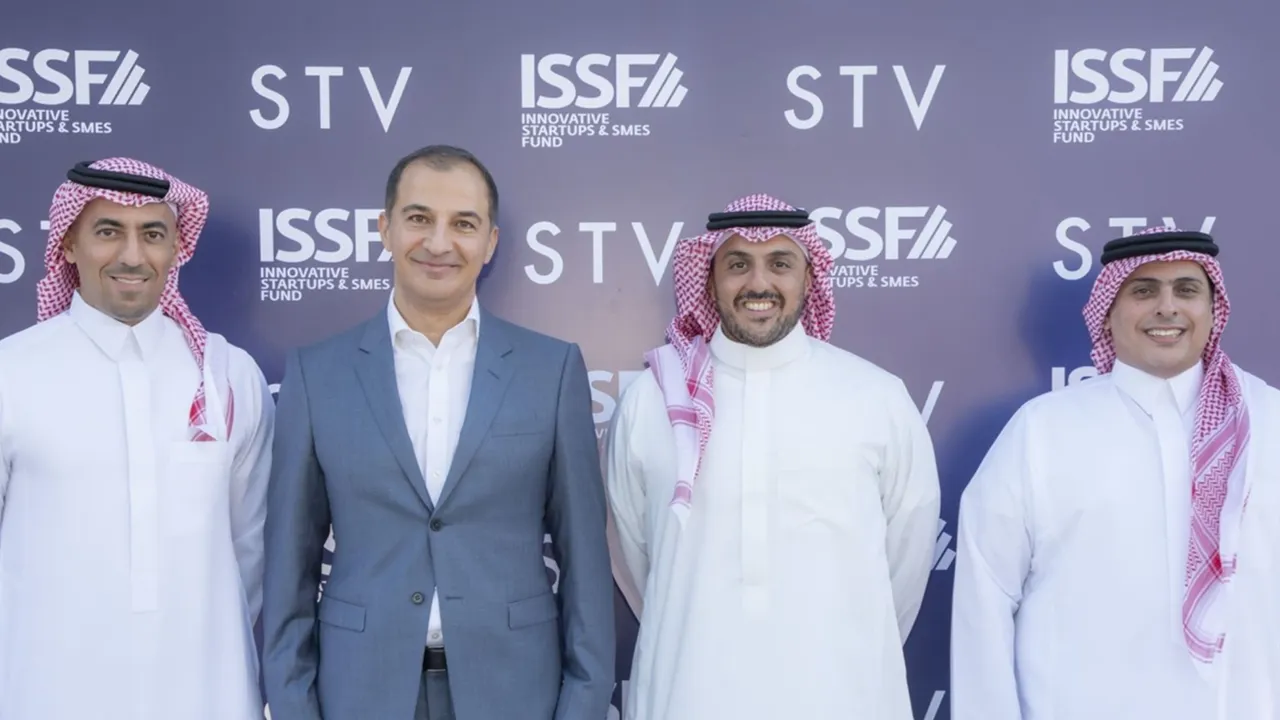
The Innovative Startups and SMEs Fund (ISSF), a Jordanian venture fund backed by the Central Bank of Jordan and the World Bank, agreed to invest $5 million in STV’s AI fund. STV is a Saudi venture capital firm with over $1.5 billion in assets under management. It also runs a $100 million AI fund backed by Google.
This is not just another investment check. It is a strategic move that could reshape how AI startups in the region grow and compete.
Jordan Gains a Direct Route to Gulf Capital
For years, Jordanian startups have faced a funding problem. The local market is too small to support large-scale growth. Raising money from Gulf investors has always been possible but never easy. It required travel, connections, and often a physical move to Saudi or the UAE.
ISSF’s $5 million investment gives Jordanian entrepreneurs a direct line into STV’s network. In return, STV has committed to investing in Jordanian AI startups. This means a startup in Amman can now access one of the region’s largest venture funds without leaving the country.
The agreement creates what both sides call an “AI corridor” between Jordan and Saudi Arabia. Think of it as a dedicated pipeline for money, expertise, and market access.
Regional AI Funding Is Booming, and Jordan Wants a Share
The MENA region’s AI sector attracted $858 million in funding in 2025, nearly double the amount from the previous year. AI now accounts for 22% of all venture capital deployed across the region.
But the money is not flowing evenly. Saudi Arabia and the UAE captured 87% of regional AI funding in 2025. Jordan, despite its strong talent pool, has been on the sidelines of this capital surge.
This deal is Jordan’s attempt to change that. By investing in STV’s fund, ISSF is essentially buying a seat at the table where regional AI deals get made. The fund focuses on generative and applied AI, targeting software and practical AI solutions for businesses. This aligns with Jordan’s strength in software development and engineering talent.
Google’s Backing Adds Weight to the Partnership
STV’s AI fund is not operating in isolation. Google backs the fund as part of its broader MENA AI Opportunity Initiative. This is the largest AI initiative in the region, providing AI skills, funding, and access to Google’s products.
Google’s involvement matters for two reasons.
First, it signals confidence in the region’s AI potential. Google does not back funds lightly. Its presence gives the fund credibility and attracts other investors.
Second, it gives portfolio companies access to Google’s technology and expertise. Startups in the fund can tap into Google’s AI tools, cloud infrastructure, and global network. For a Jordanian startup, this is a major advantage.
The Strategy Focuses on Applications, Not Models
STV’s investment strategy is worth examining. The firm does not invest in building foundational language models. Instead, it backs companies that build applications using proprietary enterprise data to solve business problems.
This is a practical approach. Building large language models is expensive and dominated by global tech giants. But applying AI to specific business problems is where most value will be created. A startup that uses AI to improve supply chain efficiency or automate customer service has a clear path to revenue.
For Jordanian startups, this focus plays to their strengths. Jordan produces software engineers who understand how to build practical solutions. The country does not need to compete with Silicon Valley on foundation models. It can compete in application development.
A Shift in How Regional Tech Gets Built
The most interesting aspect of this deal is what it represents. Venture capital in the Middle East has traditionally been national. Saudi funds invested in Saudi startups. Emirati funds backed Emirati companies. Jordanian funds stayed in Jordan.
That model is breaking down.
Cross-border investment is becoming the norm. Startups need access to larger markets and deeper capital pools. Investors need to find high-growth opportunities across multiple countries. This deal is a clear example of that trend.
ISSF is moving from being a purely domestic early-stage fund to acting as a bridge that channels Gulf capital into Jordan’s tech sector. This is a smarter strategy. Instead of trying to build a self-contained ecosystem, Jordan is plugging into the region’s largest technology market.
What This Means for Jordanian Startups
For founders in Jordan, this deal creates real opportunities. They now have a clearer path to scale. They can raise money from a top-tier regional fund without relocating. They can access Google’s resources through the fund’s network. They can sell into the Saudi market, which is the region’s largest and fastest-growing.
But this is not a guarantee of success. Access to capital is just one piece of the puzzle. Startups still need to build great products, find customers, and execute effectively. The corridor is open, but founders still need to walk through it.
Countries are realising that no single market is large enough to support a thriving tech ecosystem. Collaboration, not isolation, is the path forward.
Saudi Arabia has the money and the market. Jordan has the talent. Connecting the two creates a powerful combination. This $5 million investment is a small amount in the context of global venture capital. But as a signal of regional cooperation, it carries significant weight.
The AI corridor between Amman and Riyadh is now open. The question is not whether it will be used. The question is how many Jordanian startups will walk through it and build something meaningful on the other side.