
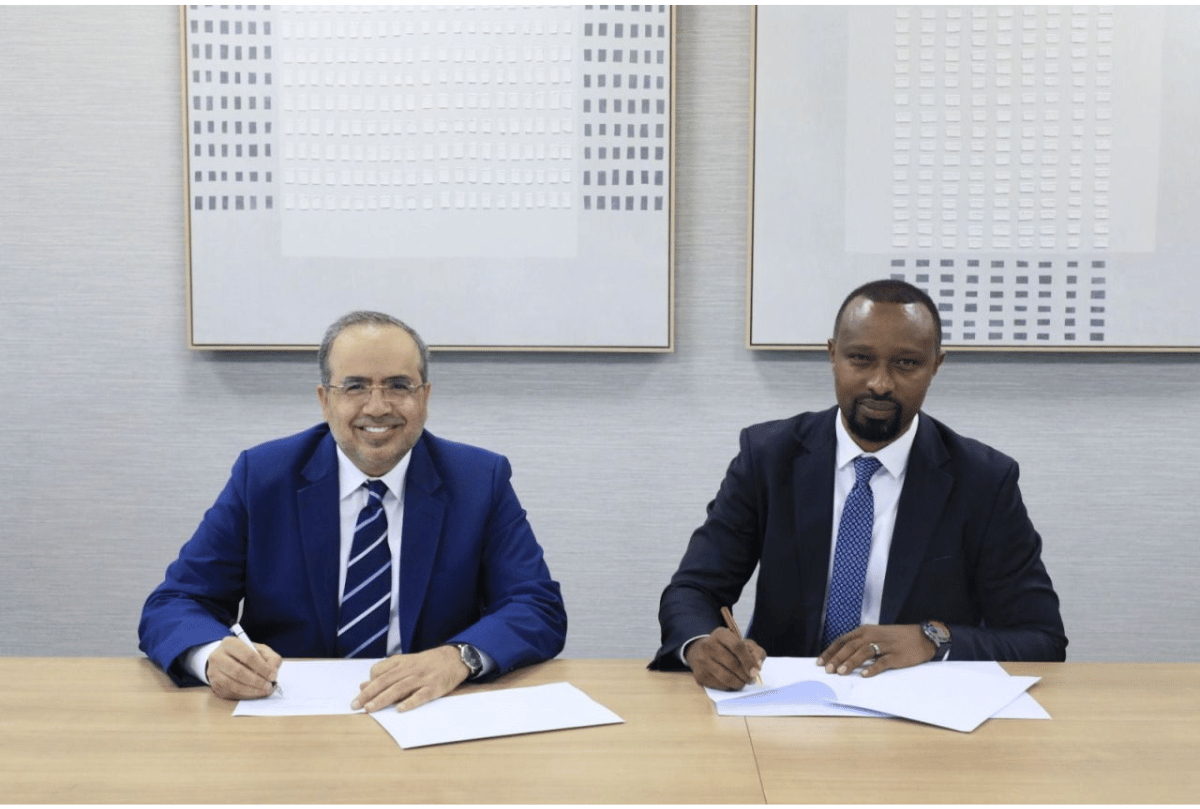
Broadband Systems Corporation signed an MoU with Oman Data Park to jointly invest in an AI-ready Tier III data centre in Rwanda. The planned facility will aim for the reliability and redundancy required for critical digital services. The site will support cloud services, advanced data workloads, and other compute-heavy applications.
Rwanda’s National AI Policy states that the country seeks affordable, reliable, and secure high-performance storage and compute capacity. The policy also sets out a blueprint for an AI-ready hyperscale data centre, a government cloud-first approach, better internet throughput for low-latency services, strategic land for data centres, and a Responsible AI Office inside government. It also calls for stronger AI skills, apprenticeship paths, and programmes to attract highly skilled talent. In simple terms, Rwanda has already defined the missing pieces in its AI stack. Oman now enters as a partner in areas that match that list.
AI services need local or regional infrastructure when governments and companies want stronger control over data, lower latency, and more reliable service. Rwanda’s ICT market continues to grow, and the US International Trade Administration projects the country’s IT services market will reach $ 99.95 million in 2025. The same guide points to rising demand in cloud computing, cybersecurity, data analytics, e-government systems, broadband infrastructure, and data centres. That means a new AI-ready facility would enter a market that already needs more digital capacity.
A practical step in Africa’s AI buildout
The main point is straightforward. Rwanda wants to host more of the digital infrastructure that modern AI and cloud services require. Oman wants stronger technology ties with East Africa and has now put formal cooperation behind that goal. If the planned data centre moves ahead and wins real workloads, this partnership will show how cross-regional tech investment can focus on compute, cloud, and skills.