

Techsoma
Latest AI Innovation Global Reports Startups FinTech Funding Tech
Next-Gen Gadgets for ME Middle Eastern Startup Ecosystem FutureTech in ME Reports Artificial Intelligence Middle East Innovation Frontier Global News Reports Middle Eastern Startup Ecosystem Fintech Investment Funding FutureTech in ME
Techsoma Middle East
  • Next-Gen Gadgets for ME
  • Middle Eastern Startup Ecosystem
  • FutureTech in ME
  • Reports
No Result
View All Result
Techsoma
  • Next-Gen Gadgets for ME
  • Middle Eastern Startup Ecosystem
  • FutureTech in ME
  • Reports
No Result
View All Result
Techsoma
No Result
View All Result
Home Artificial Intelligence

New Admission System Unlocks University AI Pathways for Egypt’s Technical Students

by Faith Amonimo
September 25, 2025
in Artificial Intelligence, EdTech
Reading Time: 4 mins read
Egypt opens AI university courses to technical students

Technical school graduates can now pursue artificial intelligence and computer science degrees directly for the first time, ending decades of educational barriers that limited university access to elite academic track students.

Egypt’s Supreme Council of Universities approved the policy change, allowing students from specialized technical schools to compete for spots in AI and computer science programs without complex equivalency processes. The decision affects thousands of students currently enrolled in vocational programs focused on technology and artificial intelligence.
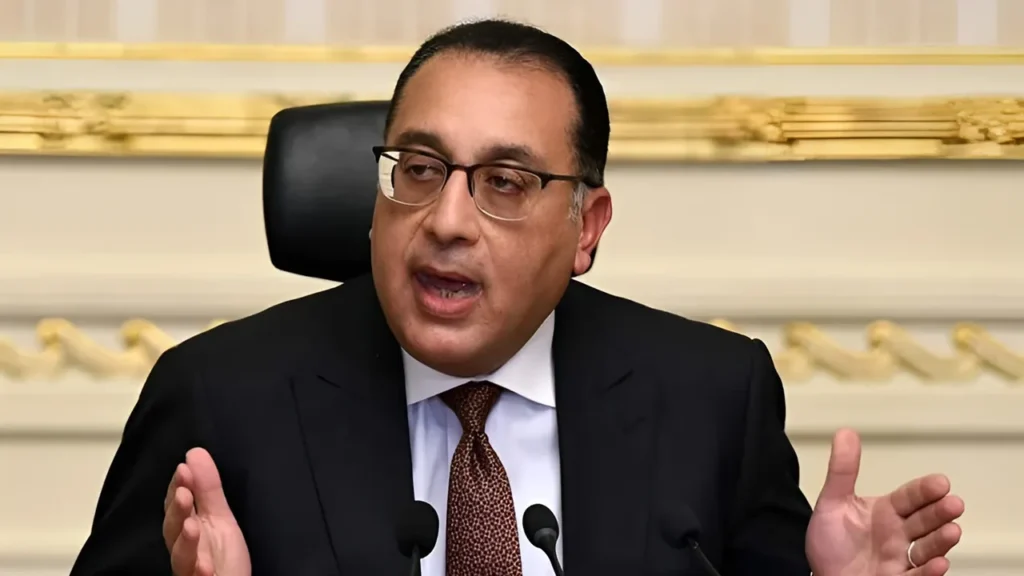
Egyptian Prime Minister Mostafa Madbouly 

Technical Students Gain Direct University Access Through New Admission System

The reform creates separate competitive admission tracks for different categories of technical education graduates. Students from five-year technical schools, three-year technical programs, applied technology schools, and two-year post-secondary technical institutes can now apply directly to university AI and computer science faculties.

Previously, these students faced complex equivalency processes that often blocked their path to higher education. The new flexible quota system establishes separate minimum thresholds based on applicant numbers in each technical category, ensuring fair competition within similar educational backgrounds.

Students from AI-focused technical schools can compete directly for AI faculty positions through tailored admission tracks. This creates new educational and career pathways for vocational students who were previously excluded from university-level technology programs.

Applied Technology Schools Drive Egypt’s Digital Transformation Strategy

Applied technology schools serve as the foundation for this educational reform. These institutions expanded from just three schools in 2018 to 70 schools across 19 governorates by 2024. The Ministry of Education plans to reach 90 schools by the 2025/2026 academic year.

The WE ICT Schools for Applied Technology represent Egypt’s first smart institutions specializing in communications technology. Launched in 2020 through collaboration between the Ministry of Communications and Information Technology and Telecom Egypt, these schools prepare students for local and global telecommunications markets.

Students in applied technology programs receive internationally accredited certificates, work experience certificates from partner companies, and professional certifications from leading ICT companies alongside traditional technical diplomas. The competency-based curriculum combines basic sciences, technical specialization, and hands-on practical training delivered through partnerships with private and public sector companies.

Admission to applied technology schools requires competitive selection based on preparatory certificate results, entrance exams in Arabic, English and Mathematics, plus personal interviews with school administrators and industry partners.

Egypt Addresses Critical AI Skills Gap Through Educational Bridge

The policy change addresses Egypt’s growing need for AI professionals while recognizing that traditional academic pathways cannot meet expanding technology workforce demands. Technical education students often possess practical skills that complement university-level theoretical training in artificial intelligence and computer science.

Egypt’s approach aligns with Middle Eastern efforts to bridge vocational training and higher education. Similar initiatives across Gulf states and Jordan demonstrate growing recognition that vocational-to-university bridges become essential for digital transformation strategies and addressing youth employment challenges in technology sectors.

The reform could result in a significant new stream of AI students entering Egypt’s talent pipeline. Technical school graduates bring hands-on experience with industry-standard equipment and real-world problem-solving skills that enhance university AI and computer science programs.

Ministry Coordination Ensures Smooth Implementation Process

The Ministry of Education and Technical Education coordinated with the Ministry of Higher Education and Scientific Research under Prime Minister Mostafa Madbouly’s direct supervision to implement the policy. This high-level coordination ensures technical students can compete directly for university places in AI and computer science programs.

Outstanding technical education students receive priority hiring opportunities after graduation, financial incentives, free uniforms, and transportation to training sites. After graduation, students can pursue direct employment, enroll in technological universities, join technical institutes, or access Egyptian public universities through the new admission system.

Technical students now have expanded educational and career horizons through direct competitive admission for university places.

Regional Impact on Middle East Technology Education

Egypt’s educational reform comes as artificial intelligence becomes important across the Middle East region. The UAE established Mohamed bin Zayed University of Artificial Intelligence, while Saudi Arabia invests heavily in AI education initiatives as part of Vision 2030.

This Egyptian initiative provides a model for other Middle Eastern countries seeking to bridge technical education with university-level AI and computer science programs. The success of Egypt’s vocational-to-university pathway could influence similar reforms across the region.

The policy change supports Egypt’s broader digital transformation goals by ensuring technical education graduates can contribute to the country’s artificial intelligence development. Students with practical technical skills combined with university-level AI education create a stronger foundation for Egypt’s technology sector growth.


Related Techsoma coverage

  • UAE Strikes Major AI Deal to Transform Food Security with Digital Innovation
  • UAE’s K2 Think AI Opens Advanced Reasoning to Startups via AIREV OnDemand
  • UAE Sends 50 Government AI Chiefs to Learn Silicon Valley’s Secrets
Faith Amonimo

Faith Amonimo

Faith Amonimo is a Tech Writer and Newsletter Editor at Techsoma, where she reports on technology and digital innovation across...

Recommended For You

Artificial Intelligence

Fipera’s neofashion.ai Brings AI Fashion Photography to Every Brand

by Faith Amonimo
August 5, 2026

For fashion brands, the gap between a creative idea and a finished campaign has always been measured in weeks, budgets, and logistical complexity. A designer sketches a collection. A brand...

Read moreDetails
Abu Dhabi's AI Judicial Platform: A Global Test Case for AI in the Courtroom

Abu Dhabi’s AI Judicial Platform: A Global Test Case for AI in the Courtroom

August 5, 2026

Design and AI Degree: Canadian University Dubai Launches Interdisciplinary BSc

August 4, 2026
Abu Dhabi AI policy training

Why Abu Dhabi Is Teaching Its Leaders How To Think About AI

August 3, 2026
Saudi AI-native startups growing 5 times faster than traditional startups

Saudi AI-Native Startups Make 5 Times More Revenue Than Traditional Startups: AWS Report

August 3, 2026
Next Post
K2 Think

UAE’s K2 Think AI Opens Advanced Reasoning to Startups via AIREV OnDemand

UAE Sends 50 Government AI Chiefs to Learn Silicon Valley’s Secrets

UAE Sends 50 Government AI Chiefs to Learn Silicon Valley's Secrets

Please login to join discussion

Recent News

Fipera’s neofashion.ai Brings AI Fashion Photography to Every Brand

August 5, 2026
Abu Dhabi's AI Judicial Platform: A Global Test Case for AI in the Courtroom

Abu Dhabi’s AI Judicial Platform: A Global Test Case for AI in the Courtroom

August 5, 2026
A picture of Bundle co founders

UAE Startup Bundle Raises $5.5 Million for Web3 Rewards Platform

August 4, 2026

Design and AI Degree: Canadian University Dubai Launches Interdisciplinary BSc

August 4, 2026

Needle-Free Glucose Monitoring: Qatar University’s GlucoWatch and the Future of Diabetes Care

August 4, 2026

Techsoma Middle East reports on startups, artificial intelligence, fintech, cybersecurity, digital policy, and the people shaping the region’s technology economy.

SEARCH BY CATEGORIES

  • Amazon (6)
  • Apps (9)
  • Artificial Intelligence (302)
  • Aviation (5)
  • Business (15)
  • Clean Energy Tech (9)
  • Coding (1)
  • Creator Economy (7)
  • Cryptocurrency (12)
  • Cybersecurity (25)
  • E-commerce (9)
  • EdTech (6)
  • Electric Cars (14)
  • Fintech (56)
  • Future Tech (16)
  • FutureTech in ME (44)
  • Gaming (5)
  • Global News (113)
  • Healthcare (13)
  • Image Generation (3)
  • Investment Funding (47)
  • Investor Hotspots (31)
  • Latest Gadgets (5)
  • Metaverse (1)
  • Middle East Event Radar (32)
  • Middle East Innovation Frontier (133)
  • Middle East Tech Revolution (28)
  • Middle Eastern Startup Ecosystem (60)
  • Mobility / Logistics (16)
  • Next-Gen Gadgets for ME (15)
  • Opinions (14)
  • Politics (1)
  • Proptech (3)
  • Reports (69)
  • Robotics (17)
  • Social Media (13)
  • Space Tech (3)
  • Startups (12)
  • Tech (4)
  • Tech & Society (6)
  • Tech Gadgets (8)
  • Tech Policy in Middle East (13)
  • Technology (19)
  • Telecommunications (13)
  • Trade & Policy (5)
  • Uncategorized (8)
  • Venture Capital (4)
  • Wearable Tech (3)

Recent News

Fipera’s neofashion.ai Brings AI Fashion Photography to Every Brand

August 5, 2026
Abu Dhabi's AI Judicial Platform: A Global Test Case for AI in the Courtroom

Abu Dhabi’s AI Judicial Platform: A Global Test Case for AI in the Courtroom

August 5, 2026
  • About
  • Advertise
  • Privacy & Policy
  • Contact
  • Editorial Standards
  • Corrections Policy
  • Terms and Conditions

Copyright 2026 Techsoma Middle East. All rights reserved.

Welcome Back!

Login to your account below

Forgotten Password?

Retrieve your password

Please enter your username or email address to reset your password.

Log In
Techsoma

© 2026 Techsoma Media.

Company

Apps Startups Tech Reports

Legal

Terms Privacy RSS

Latest

Fipera’s neofashion.ai Brings AI Fashion Photography to Every Brand For fashion brands, the gap between a creative idea and a finished campaign has always been measured in... Abu Dhabi’s AI Judicial Platform: A Global Test Case for AI in the Courtroom The justice system has always been one of the most conservative adopters of new technology. Courts move slowly... UAE Startup Bundle Raises $5.5 Million for Web3 Rewards Platform Bundle, a UAE-based startup building a blockchain-powered rewards platform, has emerged from stealth with $5.5 million in pre-seed...
Techsoma Network Techsoma Network Techsoma Africa Techsoma Middle East Techsoma Canada
Transparency About Editorial Standards Corrections Privacy Terms Contact
No Result
View All Result
  • Next-Gen Gadgets for ME
  • Middle Eastern Startup Ecosystem
  • FutureTech in ME
  • Reports

Copyright 2026 Techsoma Middle East. All rights reserved.