
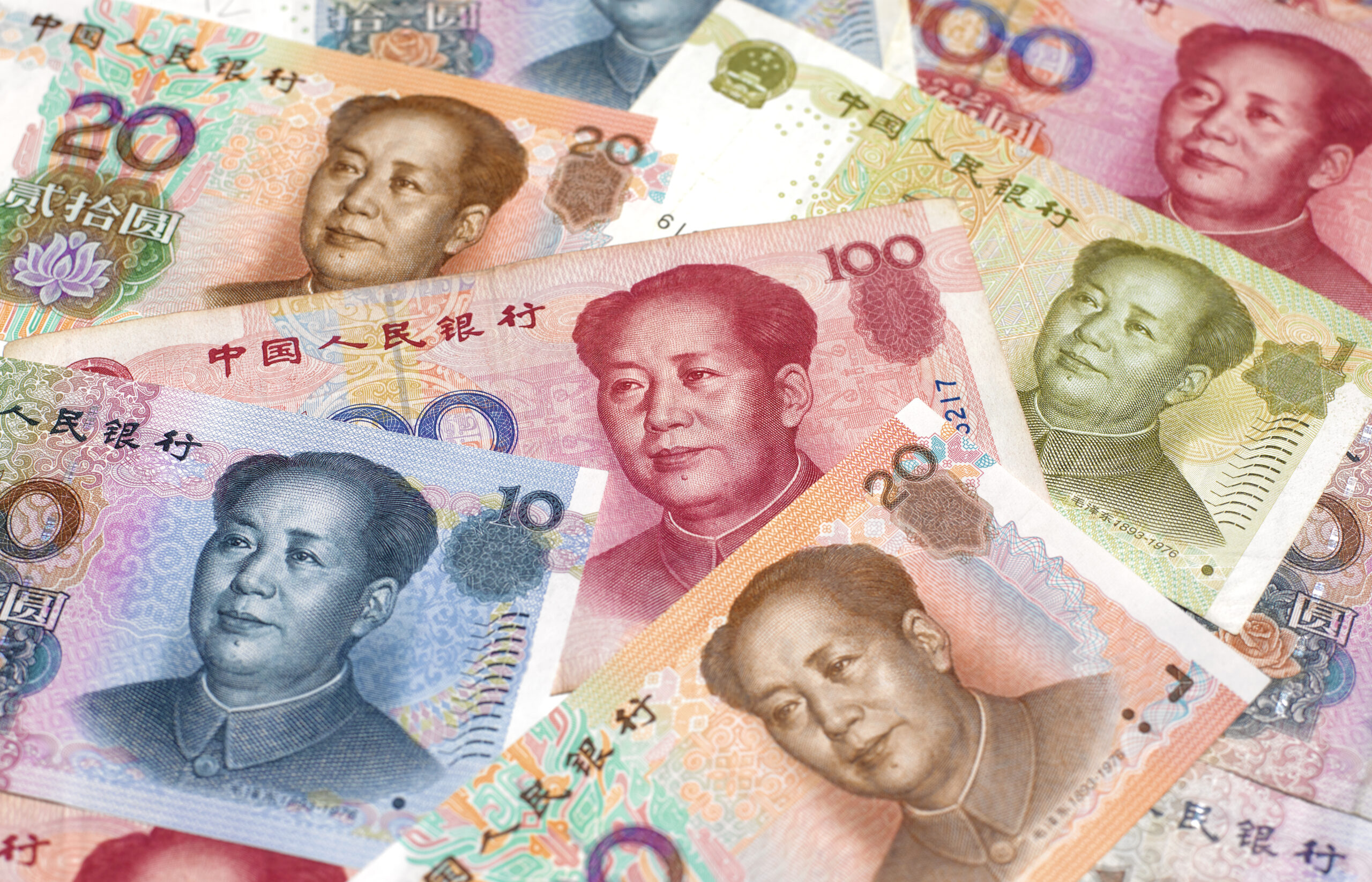
China has signed up six major financial institutions to its cross-border payment system. This is another step in Beijing’s effort to reduce dependence on Western financial infrastructure amid rising tensions with the United States.
The Cross-border Interbank Payment System (CIPS) welcomed the African Export-Import Bank, First Abu Dhabi Bank, South Africa’s Standard Bank, Singapore’s United Overseas Bank, Kyrgyzstan’s Eldik Bank, and Chongwa Financial Asset Exchange from Macau as direct participants during a ceremony in Shanghai this week.
This expansion brings CIPS to 174 direct participants as of May 2025, though most remain Chinese banks and overseas branches of global financial institutions like HSBC, JPMorgan, and Citibank. Direct participants can process transactions through their own CIPS accounts, while indirect participants must rely on others.
African Banks Lead International Adoption
Standard Bank’s membership makes it the first African bank to offer direct access to China’s yuan-based payment network. The South African lender said the move will help facilitate trade between Africa and China using Chinese renminbi as the settlement currency.
“Our partnership enhances cross-border payment capabilities and supports growing trade flows between our regions,” Standard Bank stated. The bank operates across 20 African countries and has maintained strong ties with Chinese financial institutions.
First Abu Dhabi Bank becomes the first Middle Eastern bank to join as a direct participant, positioning itself to handle yuan transactions for clients across the Gulf region. The UAE bank said the move supports its strategy to facilitate trade with China, which remains a key trading partner for the Emirates.
Building Alternative Financial Rails
CIPS launched in 2015 as China’s answer to the Society for Worldwide Interbank Financial Telecommunication (SWIFT), the Belgium-based messaging system that handles most international payments. While SWIFT facilitates communication between banks, CIPS actually clears and settles transactions in Chinese yuan.
The system connects over 1,400 financial institutions across more than 100 countries, though it still relies on SWIFT messaging for some transactions. Unlike SWIFT’s broader messaging role, CIPS focuses specifically on yuan-denominated payments and settlement.
Beijing views CIPS as insurance against potential financial sanctions from the United States. The system gained attention after Western nations excluded Russian banks from SWIFT following Russia’s invasion of Ukraine, demonstrating how payment networks can become geopolitical weapons.
Yuan’s Growing International Role
Chinese companies conducted a record 54.3% of their cross-border transactions in yuan during March 2025, up from previous years. The yuan now accounts for 4.13% of global payments, its highest level since tracking began, though still far behind the US dollar’s 48% share.
The People’s Bank of China has expanded currency swap agreements to over 30 countries, allowing central banks to access yuan liquidity without going through dollar markets. Argentina recently renewed a $5 billion yuan swap line, while Pakistan lobbies to expand its own agreement.
China’s digital yuan pilot program now operates across 29 cities with 260 million wallets, creating infrastructure for cross-border digital payments. The central bank digital currency reached 7 trillion yuan ($986 billion) in transactions by June 2024, making it the world’s largest CBDC pilot.
Strategic Implications
The CIPS expansion reflects China’s broader strategy to build alternative financial infrastructure that doesn’t depend on Western systems. This effort gained urgency as US-China tensions escalated over trade, technology, and Taiwan.
Chinese officials worry that financial sanctions could threaten three critical areas: access to dollar funding markets, correspondent banking relationships, and payment system access. CIPS provides a potential workaround for yuan-based transactions, though its effectiveness against comprehensive sanctions remains untested.
“China is building financial resilience by creating alternatives to dollar-based infrastructure,” said analysts at the Center for Strategic and International Studies. “However, CIPS still faces significant limitations compared to SWIFT’s global reach.”
The system’s growth comes as China promotes yuan internationalization through its Belt and Road Initiative, which has invested over $1 trillion in infrastructure projects across 150 countries since 2013. Many Belt and Road projects now encourage yuan financing and settlement.
Challenges Ahead
Despite recent growth, CIPS faces structural challenges in competing with established Western financial infrastructure. The yuan remains non-convertible in many jurisdictions, limiting its appeal for international reserves and transactions.
Most global commodities still price in dollars, and the US financial system’s depth and liquidity continue attracting international users. Even Chinese companies often prefer dollar financing for major international deals due to better terms and broader investor bases.
The system also depends partly on existing infrastructure, including SWIFT messaging and correspondent banking relationships with Western institutions. This interconnection could limit CIPS effectiveness if broader financial sanctions target China.
However, growing participation from African and Middle Eastern banks suggests appetite for alternatives to Western-dominated payment systems. These regions have become testing grounds for China’s financial technology and digital currency initiatives.
The CIPS expansion represents another data point in the gradual shift toward a more multipolar global financial system, though the timeline and scope of this transition remain uncertain.