For years, the world watched Saudi Arabia pour billions into massive desert cities and futuristic megaprojects. The scale was breathtaking. The execution proved harder.
Now, a small deal between a Riyadh startup and a Kurdish telecom provider tells a different story. It suggests a quieter, more practical approach to tech ambition. One that might actually work.
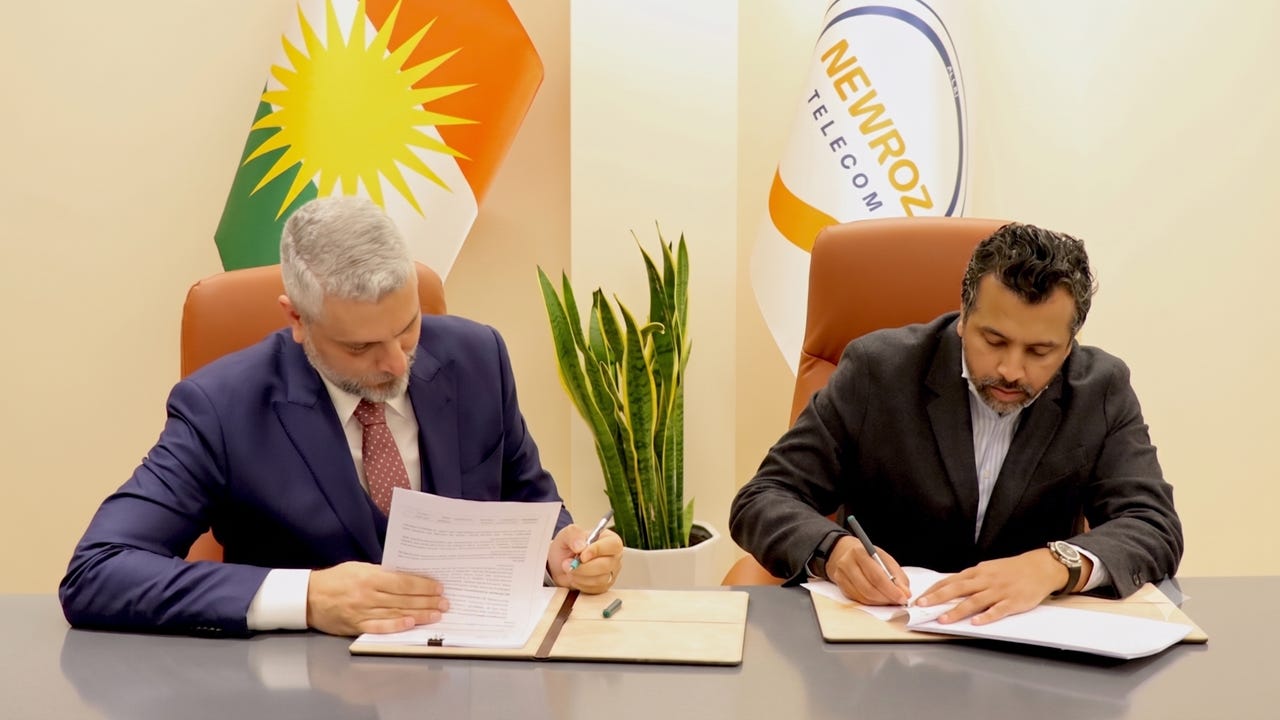
In July 2026, OmniOps, a Saudi AI infrastructure company founded just two years ago, partnered with Newroz Telecom in the Kurdistan Region of Iraq. Together they launched KI, the first conversational AI platform built for the Kurdish language. The platform supports Sorani, Badini, and Kurmanji dialects, plus Arabic and English. A working model for how Saudi Arabia can export its tech expertise across the region.
Saudi Arabia Pivots From Grand Visions to Practical Tech Exports
The Kingdom declared 2026 the Year of Artificial Intelligence. This followed years of heavy investment in digital infrastructure. Saudi Arabia now hosts over 60 data centres with investments exceeding 16 billion riyals. The country ranks first globally in the ICT Development Index with a score of 99.8 out of 100.
But the NEOM megacity project faced delays and scaling back. The Line, a 170-kilometre linear city, got radically reimagined. The message became clear. Building things at home takes time. Exporting technology to neighbours might move faster.
The OmniOps-Newroz deal fits this new approach perfectly. OmniOps brings the AI infrastructure know-how. Newroz provides the local connectivity and market reach in Kurdistan. Neither side needs to build a new city. They just need to make existing technology work for people who lack it.
Kurdish Speakers Finally Get an AI That Understands Them
Kurdish is spoken by 30 to 40 million people. Yet until now, no conversational AI platform existed for the language. Major AI tools from Google, OpenAI, and others largely ignored Kurdish speakers.
Language shapes how people access information, education, and economic opportunity. When AI only speaks major languages, entire communities get left behind.
KI changes that for Kurdish speakers in Iraq and beyond. Individuals can now interact with AI in their preferred language. Businesses can serve Kurdish-speaking customers. Schools can teach with AI tools that understand students. Government agencies can build services accessible to all citizens.
This is not charity. It is a market opportunity waiting to be claimed. OmniOps spotted it. Newroz Telecom understood the local need. Together, they built something that fills a genuine gap.
Sovereign AI Offers a Blueprint for Data-Safe Expansion
The deal carries another important feature. All data processing stays inside the Kurdistan Region. KI runs on OmniOps’ Bunyan platform, deployed on Newroz Telecom’s own hardware. No data leaves the territory.
This matters because data sovereignty is becoming a major concern across the Middle East. Governments want control over their citizens’ information. They do not want it flowing to foreign cloud providers in distant countries. The KI model offers a practical template. Local infrastructure. Local control. Local compliance.
OmniOps received $8 million in pre-seed funding from GMS Capital Ventures seven months after its founding in May 2024. The funding supported energy-efficient AI infrastructure. The company now plans to roll out sovereign AI across other emerging markets. Working with regional telecom providers seems to be the preferred method.
This approach mirrors what other Saudi entities are doing. STC extended its partnership with PIF-backed Humain to build AI data centres. Magna AI and Emaar Executive Company signed agreements to develop sovereign AI infrastructure. The pattern is consistent. Build domestic capability. Then export it through partnerships.
The Kurdistan Region Proves Ready for Tech Partnerships
The Kurdistan Region is not an obvious tech hub. Yet Erbil ranks as Iraq’s second-strongest startup ecosystem. The region appears in the global top 1,000 startup cities. This suggests a growing appetite for innovation.
Newroz Telecom has operated in the region since 2007. It knows the local market. It understands the regulatory environment. It has the infrastructure to support AI deployment. OmniOps needed a partner like this to make the deal work.
The partnership also marks the first Saudi-Kurdish technology collaboration of this kind. That carries symbolic weight. Technology can bridge political gaps where other approaches struggle. A shared interest in AI infrastructure creates common ground.
Small Deals May Matter More Than Big Cities
The KI platform serves a specific community with a specific need. It does not try to solve every problem at once. It just works.
This stands in contrast to the megaproject approach. Building a new city from scratch requires years of planning, endless capital, and political will that can shift. Deploying AI on existing telecom infrastructure takes months. The returns come faster. The risks stay lower.
Saudi Arabia still pursues its grand ambitions. The Kingdom retains its top global ICT ranking. The PIF continues investing in domestic technology. But the OmniOps-Newroz deal suggests a supplementary strategy. Export expertise through practical partnerships. Build influence on one working product at a time.
Thirty to forty million Kurdish speakers now have an AI that speaks their language. That is real impact. It did not require a new city. It required two companies to decide to build something useful together.
That might be the smarter way to build tech power after all.