Techsoma
Latest AI Innovation Global Reports Startups FinTech Funding Tech
Next-Gen Gadgets for ME Middle Eastern Startup Ecosystem FutureTech in ME Reports Artifical Intelligence Middle East Innovation Frontier Global News Reports Middle Eastern Startup Ecosystem Fintech Investment Funding FutureTech in ME
Techsoma Middle East
  • About
  • Advertise
  • Privacy & Policy
  • Contact
No Result
View All Result
Techsoma
  • About
  • Advertise
  • Privacy & Policy
  • Contact
No Result
View All Result
Techsoma
No Result
View All Result
Home Artifical Intelligence

SDAIA establishes stringent, enforceable ground rules for responsible AI

by Faith Amonimo
March 20, 2026
in Artifical Intelligence, Tech Policy in Middle East
Reading Time: 3 mins read

Saudi Arabia’s Board of Grievances just set formal principles for AI use in the administrative judiciary. It has launched a principles document that guides how staff use AI. It ties directly to the Cabinet decision that names 2026 the Year of Artificial Intelligence, and aligns with SDAIA ethics rules on fairness, privacy, transparency, and accountability. The goal is to improve speed and efficiency in court work, while keeping transparency and integrity in place.

The Board of Grievances Chairman Dr. Ali Alohaydib directed the launch of a document that sets principles for using AI systems in the administrative judiciary. The Board says it wants to regulate the development and use of smart tools in a responsible way. It also says it will review the principles over time and monitor compliance.

This matters because the Board of Grievances handles disputes linked to administrative actions. Saudipedia describes it as an independent administrative judiciary authority that reports directly to the King. It aims to strengthen judicial oversight and protect rights through the proper application of laws and regulations.

SDAIA ethics rules shape how government teams use AI

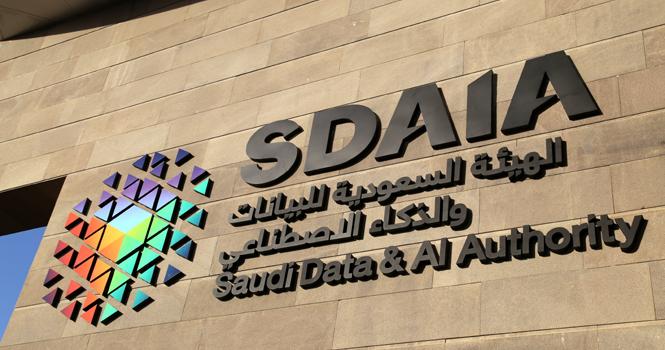
The Board of Grievances says it drafted its principles in line with frameworks issued by the Saudi Data and Artificial Intelligence Authority. That reference matters because SDAIA already publishes a national AI ethics framework that applies across sectors in the Kingdom.

SDAIA’s AI Ethics Principles name seven areas. They include fairness, privacy and security, humanity, social and environmental benefits, reliability and safety, transparency and explainability, and accountability and responsibility. In plain terms, these themes push teams to reduce bias, protect personal data, keep systems safe, explain automated decisions, and keep humans accountable for outcomes.

What these principles mean inside a court office

Courts deal with sensitive facts, personal records, and decisions that change lives. So AI use in courts needs a tighter standard than AI use in casual consumer apps. SDAIA’s framework stresses risk classification, documentation, monitoring, and human oversight across the AI system lifecycle. These ideas fit court workflows where staff must track decisions and explain actions clearly.

In practice, court teams often look at AI for support tasks that save time. Staff can use tools to sort documents, search large case files, detect missing forms, and draft summaries that a human reviews. Courts can also use AI for scheduling and workload planning, as long as teams keep audit trails and clear accountability. SDAIA’s transparency and accountability sections support that approach because they push traceability and ownership, not mystery automation.

Transparency and integrity stay in charge

The Board of Grievances frames AI as a way to enhance efficiency, not as a replacement for judicial responsibility. It also links the initiative to transparency and integrity, which signals a clear intent. Staff need rules that set boundaries around data access, model outputs, and human sign-off. Without those boundaries, AI creates faster work but weaker trust.

SDAIA’s ethics framework spells out what transparency looks like in day-to-day operations. It calls for clear communication about how systems reach outcomes, and it supports logging failures and complaints so teams can fix issues in the open. That style of governance matches court expectations where records and reasoning matter.

Ongoing reviews and compliance checks set the real test

The Board of Grievances says it will periodically review its principles and monitor compliance. That detail matters more than the launch itself. Teams only gain value when they treat governance as ongoing work, not a one-time announcement.

SDAIA also ties ethics to continuous checks. It describes compliance measurement and monitoring, plus investigations and audits with sector regulators. That creates a clear model for how public bodies can keep AI use under control as tools improve and risks change.

What to watch next in 2026

Expect Saudi institutions to link AI projects to public trust goals, not only speed goals. The Year of AI label raises expectations, and court work draws attention fast because people care about fairness. As more agencies roll out AI programs, the strongest projects will show three things. Clear rules, clear oversight, and clear responsibility when systems fail. The Board of Grievances has now put those themes on paper for its own domain.


Faith Amonimo

Faith Amonimo

Moyo Faith Amonimo is a Tech Writer and Newsletter Editor at Techsoma Africa, where she reports on technology and digital...

Recommended For You

Artifical Intelligence

MoEI signs MoU with 42 Abu Dhabi, showcases National Data Center Observatory

by Faith Amonimo
June 8, 2026

The Ministry of Energy and Infrastructure has introduced the National Data Center Observatory, an AI-based platform that helps planners and investors find the best locations for new data centers while...

Read moreDetails

Foras.AI Backs Efham.ai to Build First Arabic AI Learning Community

June 6, 2026

Broadband Systems and Oman Data Park Sign MoU to advance AI infrastructure in Rwanda

June 4, 2026

Dubai Holding and Microsoft takes AI into daily operations across real estate, hotels, retail, and community services

May 21, 2026

Qatar launches a $30 million deep tech fund to back early-stage startups in AI, robotics, biotech, and clean tech

May 21, 2026
Next Post
Bitcoin gets more investment

Bitcoin Rises as Middle East Turmoil Sparks Safe Haven Debate Among Investors

Star link Logo

Starlink Launches in UAE with Maritime and Enterprise Focus

Please login to join discussion

Recent News

Bybit IPO Express

Bybit Launches IPO Express to Give Retail Users Tokenised Access to SpaceX IPO

June 8, 2026

MoEI signs MoU with 42 Abu Dhabi, showcases National Data Center Observatory

June 8, 2026

Foras.AI Backs Efham.ai to Build First Arabic AI Learning Community

June 6, 2026

MEA Smartphone Shipments Fall 7 Percent in Q1 2026 as Memory Crisis Guts Budget Segment

June 4, 2026

Broadband Systems and Oman Data Park Sign MoU to advance AI infrastructure in Rwanda

June 4, 2026

Techsoma Africa reports on startups, fintech, AI, digital policy, and the builders shaping Africas innovation economy.

Follow Techsoma Africa

SEARCH BY CATEGORIES

  • Amazon (6)
  • Apps (9)
  • Artifical Intelligence (254)
  • Aviation (5)
  • Business (14)
  • Clean Energy Tech (7)
  • Coding (1)
  • Creator Economy (7)
  • Cryptocurrency (9)
  • Cybersecurity (24)
  • E-commerce (9)
  • EdTech (4)
  • Electric Cars (13)
  • Fintech (47)
  • Future Tech (16)
  • FutureTech in ME (40)
  • Gaming (5)
  • Global News (112)
  • Healthcare (11)
  • Image Generation (3)
  • Investment Funding (45)
  • Investor Hotspots (31)
  • Latest Gadgets (5)
  • Metaverse (1)
  • Middle East Event Radar (31)
  • Middle East Innovation Frontier (121)
  • Middle East Tech Revolution (28)
  • Middle Eastern Startup Ecosystem (55)
  • Mobility / Logistics (14)
  • Next-Gen Gadgets for ME (15)
  • Opinions (14)
  • Politics (1)
  • Proptech (2)
  • Reports (67)
  • Robotics (16)
  • Social Media (12)
  • Space Tech (3)
  • Startups (12)
  • Tech (3)
  • Tech & Society (5)
  • Tech Gadgets (8)
  • Tech Policy in Middle East (11)
  • Technology (13)
  • Telecommunications (12)
  • Trade & Policy (4)
  • Uncategorized (8)
  • Venture Capital (3)
  • Wearable Tech (3)

Recent News

Bybit IPO Express

Bybit Launches IPO Express to Give Retail Users Tokenised Access to SpaceX IPO

June 8, 2026

MoEI signs MoU with 42 Abu Dhabi, showcases National Data Center Observatory

June 8, 2026
  • About
  • Advertise
  • Privacy & Policy
  • Contact

Copyright 2026 Techsoma Middle East. All rights reserved.

Welcome Back!

Login to your account below

Forgotten Password?

Retrieve your password

Please enter your username or email address to reset your password.

Log In
Techsoma

© 2026 Techsoma Media.

Company

Apps Startups Tech Reports

Legal

Terms Privacy RSS

Latest

Bybit Launches IPO Express to Give Retail Users Tokenised Access to SpaceX IPO   Bybit, the world's second-largest cryptocurrency exchange by trading volume, has launched a new product called IPO Express... MoEI signs MoU with 42 Abu Dhabi, showcases National Data Center Observatory The Ministry of Energy and Infrastructure has introduced the National Data Center Observatory, an AI-based platform that helps... Foras.AI Backs Efham.ai to Build First Arabic AI Learning Community   Foras.AI, the Egyptian innovation and investment platform led by entrepreneur Mohamed Aboulnaga Nagaty, has announced an investment...
No Result
View All Result

Copyright 2026 Techsoma Middle East. All rights reserved.