
Techsoma
Latest AI Innovation Global Reports Startups FinTech Funding Tech
Next-Gen Gadgets for ME Middle Eastern Startup Ecosystem FutureTech in ME Reports Artifical Intelligence Middle East Innovation Frontier Global News Reports Middle Eastern Startup Ecosystem Fintech Investment Funding FutureTech in ME
Techsoma Middle East
  • About
  • Advertise
  • Privacy & Policy
  • Contact
No Result
View All Result
Techsoma
  • About
  • Advertise
  • Privacy & Policy
  • Contact
No Result
View All Result
Techsoma
No Result
View All Result
Home Business

UAE Businesses to Face Monthly Fines for E-Invoicing Failures Starting 2026

by Faith Amonimo
December 11, 2025
in Business, Tech Policy in Middle East, Trade & Policy
Reading Time: 3 mins read

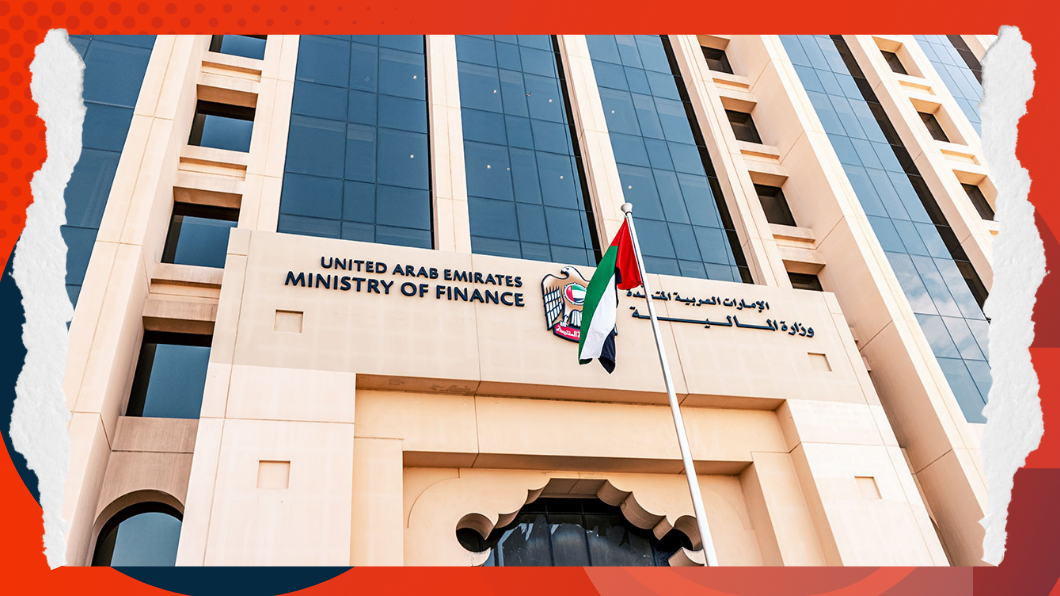
The UAE Ministry of Finance just announced a major policy change that is set to affect businesses across the Emirates. Companies that fail to adopt the new electronic invoicing system will face hefty fines of up to AED 5,000 per month starting July 2026.

Cabinet Decision No. 106 of 2025, published on November 24, sets strict penalties for businesses that don’t comply with the UAE’s mandatory Electronic Invoicing System (EIS). This implies the government’s serious push toward complete digital transformation of business operations.

AED 5,000 Monthly Penalties Target Late Adopters

The penalty structure hits businesses where it hurts most – their monthly cash flow. Companies that miss the implementation deadline face AED 5,000 fines for each month they delay setting up the system or appointing an approved service provider.

But the fines don’t stop there. Businesses get charged AED 100 for every electronic invoice they fail to send through the system on time. The same penalty applies to electronic credit notes. Both violations cap at AED 5,000 per month, but companies handling thousands of transactions could hit these limits fast.

Daily Fines Add Up Fast for System Failures

The most expensive penalties target poor incident management. When the e-invoicing system breaks down, both invoice senders and receivers must notify the Federal Tax Authority immediately. Companies that delay this notification face AED 1,000 fines for each day they wait.

Data management violations carry the same daily penalty rate. Businesses must tell their approved service providers about any changes to registered information right away. Miss this deadline and the AED 1,000 daily fines start adding up quickly.

“A minor outage can quickly turn into a compounding compliance exposure if reporting processes are weak or IT–finance coordination is slow,” warns Anurag Chaturvedi, CEO of Andersen in the UAE.

July 2026 Pilot Phase Kicks Off Mandatory System

The UAE’s e-invoicing rollout follows a careful timeline. July 2026 launches the pilot phase with selected businesses testing the system under Ministry supervision. Large companies with annual revenue exceeding AED 50 million must go live by January 2027.

Smaller businesses get extra time until July 2027, while government entities have until October 2027 to comply. The system covers all business-to-business and business-to-government transactions using the international OpenPeppol standard for digital document exchange.

Business Leaders Call Penalties Board-Level Priority

Industry experts see these fines as a wake-up call for company leadership. “Readiness becomes a board-level KPI: every month of slippage has a price tag,” explains Chaturvedi. The penalties transform e-invoicing from an IT project into a business-critical compliance requirement.

Companies experimenting with e-invoicing voluntarily won’t face penalties until compliance becomes mandatory for their business size. This gives early adopters time to work out technical issues without financial consequences.

The penalty framework also pushes stronger data governance. Master data controls shift from administrative tasks to compliance requirements that directly impact the bottom line.

Digital Transformation Drives UAE Economic Vision

The e-invoicing mandate supports the UAE’s broader digital economy goals. Electronic invoices replace traditional paper or PDF formats with structured, machine-readable XML files that improve accuracy and transparency in VAT processing.

Real-time invoice reporting to the Federal Tax Authority creates better oversight of business transactions. The system should reduce tax evasion while streamlining compliance for legitimate businesses.

UAE officials position the penalties as necessary enforcement tools rather than revenue generators. The fines encourage timely adoption while giving businesses clear cost calculations for delay decisions.

Thomas Vanhee from Aurifer notes that “the Cabinet decision foresees penalties for the enforcement of the e-invoicing regime,” showing the government’s commitment to making digital transformation stick across all business sectors.

The penalty announcement follows earlier decisions that clarified the e-invoicing scope and timeline. Businesses now have clear deadlines, technical requirements, and financial consequences – removing any excuse for delayed preparation.

Companies should start evaluating approved service providers and system integration requirements now. The July 2026 pilot phase offers the last opportunity to test systems before mandatory compliance kicks in with real financial penalties.


Faith Amonimo

Faith Amonimo

Moyo Faith Amonimo is a Tech Writer and Newsletter Editor at Techsoma Africa, where she reports on technology and digital...

Recommended For You

Tech Policy in Middle East

Saudi Arabia Opens State Data for Business, But Bans Selling Raw Information

by Faith Amonimo
June 25, 2026

Saudi Arabia has taken a major step in its digital transformation journey. The Saudi Data and Artificial Intelligence Authority (SDAIA) approved a new Data Monetization Policy that defines how government-generated...

Read moreDetails

UAE Social Media Ban for Under-15s: What Parents and Businesses Need to Know

June 20, 2026

Dubai launches new initiative to integrate agentic AI in the private sector within two years

May 11, 2026

AGN AI Readiness Framework gives UAE SMEs a smarter start with AI

April 14, 2026

Qatar launches a smart cloud privacy assessment tool as digital growth gains speed

April 13, 2026
Next Post

Qatar Launches Qai and Puts $20 Billion Into AI Race Against UAE and Saudi Arabia

Misraj AI Launches Kawn, Arabic AI That Reads Every Dialect Like a Native Speaker

Please login to join discussion

Recent News

Qatar Doubles Engineering Pay to Build Homegrown Tech Talent Pipeline

June 26, 2026

GEMS Education and Oracle Partner to Train 11,000 UAE Students in AI and Cloud Skills

June 26, 2026

Abu Dhabi Confirms World’s Largest AI Campus Outside the US Will Launch Before Year-End

June 26, 2026

MoonPay Acquires AI Accounting Startup Entendre to Automate Stablecoin Finance Operations

June 26, 2026

Saudi Arabia Opens State Data for Business, But Bans Selling Raw Information

June 25, 2026

Techsoma Africa reports on startups, fintech, AI, digital policy, and the builders shaping Africas innovation economy.

Follow Techsoma Africa

SEARCH BY CATEGORIES

  • Amazon (6)
  • Apps (9)
  • Artifical Intelligence (274)
  • Aviation (5)
  • Business (14)
  • Clean Energy Tech (7)
  • Coding (1)
  • Creator Economy (7)
  • Cryptocurrency (11)
  • Cybersecurity (24)
  • E-commerce (9)
  • EdTech (4)
  • Electric Cars (13)
  • Fintech (49)
  • Future Tech (16)
  • FutureTech in ME (41)
  • Gaming (5)
  • Global News (112)
  • Healthcare (12)
  • Image Generation (3)
  • Investment Funding (46)
  • Investor Hotspots (31)
  • Latest Gadgets (5)
  • Metaverse (1)
  • Middle East Event Radar (31)
  • Middle East Innovation Frontier (126)
  • Middle East Tech Revolution (28)
  • Middle Eastern Startup Ecosystem (57)
  • Mobility / Logistics (15)
  • Next-Gen Gadgets for ME (15)
  • Opinions (14)
  • Politics (1)
  • Proptech (3)
  • Reports (67)
  • Robotics (17)
  • Social Media (13)
  • Space Tech (3)
  • Startups (12)
  • Tech (3)
  • Tech & Society (5)
  • Tech Gadgets (8)
  • Tech Policy in Middle East (13)
  • Technology (16)
  • Telecommunications (12)
  • Trade & Policy (4)
  • Uncategorized (8)
  • Venture Capital (3)
  • Wearable Tech (3)

Recent News

Qatar Doubles Engineering Pay to Build Homegrown Tech Talent Pipeline

June 26, 2026

GEMS Education and Oracle Partner to Train 11,000 UAE Students in AI and Cloud Skills

June 26, 2026
  • About
  • Advertise
  • Privacy & Policy
  • Contact

Copyright 2026 Techsoma Middle East. All rights reserved.

Welcome Back!

Login to your account below

Forgotten Password?

Retrieve your password

Please enter your username or email address to reset your password.

Log In
Techsoma

© 2026 Techsoma Media.

Company

Apps Startups Tech Reports

Legal

Terms Privacy RSS

Latest

Qatar Doubles Engineering Pay to Build Homegrown Tech Talent Pipeline Qatar has more than doubled a key allowance for computer engineering roles as part of plan to encourage... GEMS Education and Oracle Partner to Train 11,000 UAE Students in AI and Cloud Skills GEMS Education has signed an agreement with Oracle to provide artificial intelligence and cloud computing training to more... Abu Dhabi Confirms World’s Largest AI Campus Outside the US Will Launch Before Year-End   Abu Dhabi is on course to bring the first phase of its record-breaking AI campus online before...
No Result
View All Result

Copyright 2026 Techsoma Middle East. All rights reserved.