Techsoma
Latest AI Innovation Global Reports Startups FinTech Funding Tech
Next-Gen Gadgets for ME Middle Eastern Startup Ecosystem FutureTech in ME Reports Artifical Intelligence Middle East Innovation Frontier Global News Reports Middle Eastern Startup Ecosystem Fintech Investment Funding FutureTech in ME
Techsoma Middle East
  • About
  • Advertise
  • Privacy & Policy
  • Contact
No Result
View All Result
Techsoma
  • About
  • Advertise
  • Privacy & Policy
  • Contact
No Result
View All Result
Techsoma
No Result
View All Result
Home Business

Saudi Arabia Forces Workers to Follow New Dress Rules or Face Heavy Fines

by Faith Amonimo
November 28, 2025
in Business, Tech Policy in Middle East, Trade & Policy
Reading Time: 3 mins read

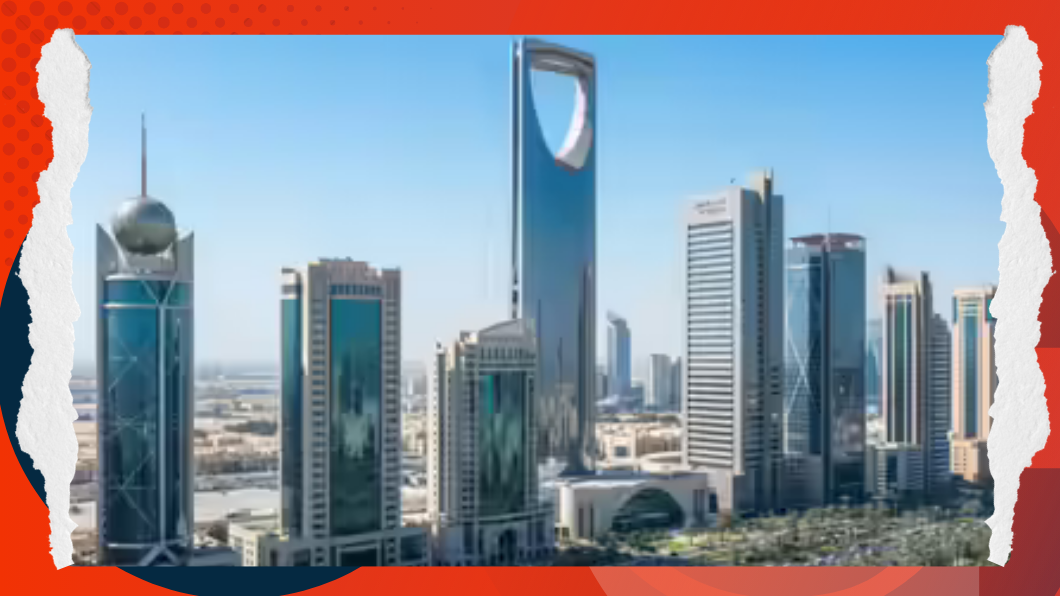
Saudi Arabia just dropped strict new workplace dress rules that every company must follow. The Ministry of Human Resources and Social Development released a draft “Code of Appearance and Conduct” that specifies exactly what to wear at work.

Companies that don’t enforce these rules will pay fines up to 5,000 Saudi Riyals. The new code separates Saudi men from foreign workers and sets different dress requirements for each group.

Saudi Men Must Wear Traditional National Dress

Saudi male employees now must wear the official national dress to work. This means the white thobe (long robe) paired with either a ghutra or shemagh headdress. No exceptions.

The rule applies to all Saudi men working in the public sector, private companies, and non-profit organizations. This move strengthens the Kingdom’s push to showcase national identity in professional settings.

Companies can no longer let Saudi male employees wear business suits or casual clothes. The traditional dress requirement covers daily office work, official functions, and media appearances related to their jobs.

Foreign Men Face Formal Suit Requirements

Non-Saudi male employees must wear formal business suits at all times. The ministry eliminated any confusion about business casual wear for expatriate workers.

This creates a clear visual distinction between Saudi nationals and foreign employees in the workplace. The formal suit requirement applies to all male expatriates regardless of their job level or company type.

The rule affects millions of foreign workers across Saudi Arabia’s diverse economy. From office workers to executives, all non-Saudi men must meet this formal dress code.

Women Must Cover Their Bodies Completely at Work

All female employees, both Saudi and non-Saudi, must wear modest clothing that completely covers their bodies. The guidelines specifically ban tight or transparent clothing.

The dress code for women extends beyond daily office work. Female employees must follow these rules during official company functions and any media appearances related to their jobs.

Unlike previous regulations that varied by company, this new code creates uniform standards for all female workers across the Kingdom. The ministry wants to ensure a consistent professional appearance nationwide.

Companies Face Financial Penalties for Non-Compliance

Employers must create and post written dress codes in accordance with these new regulations. Companies that fail to establish or enforce these standards face fines under the Saudi Labour Law.

The penalties can reach 5,000 Saudi Riyals for establishments that don’t comply. This puts direct financial pressure on businesses to monitor and enforce employee dress codes.

Companies must train their human resources teams to understand and implement these requirements. The ministry expects employers to take active responsibility for workplace appearance standards.

New Rules Go Beyond Just Clothing Requirements

The code covers more than just dress requirements. Employees cannot wear items with political, ideological, or offensive slogans, symbols, or images.

The regulations also address general professional conduct. Workers must maintain good behavior, personal hygiene, and dignified professional appearance at all times.

These conduct rules show Saudi Arabia’s effort to standardize workplace culture across all sectors. The ministry wants to create consistent professional environments nationwide.

Public Consultation Period Still Open for Feedback

The draft code is currently under public consultation through the government’s Tafaul platform. Citizens and businesses can submit feedback until the consultation period ends.

The final version may change based on public input, but the basic framework appears set. The ministry collected input to refine specific details rather than change the overall approach.

Business leaders and employees are watching closely to understand how these rules will work in practice. Implementation challenges may emerge as companies adapt their policies.

Companies Rush to Update Internal Policies

Private companies across Saudi Arabia are already updating their employee handbooks. Many businesses want to prepare for the new requirements before they become mandatory.

Human resources departments are reviewing current dress policies to align with the new standards. Some companies may need to purchase traditional attire for Saudi male employees.

International companies operating in Saudi Arabia face particular challenges. They must balance global corporate policies with local Saudi requirements for their workforce.

The new dress code represents Saudi Arabia’s continued effort to strengthen national identity while maintaining its position as a global business hub. Companies and workers now have clear guidelines about professional appearance expectations in the Kingdom’s evolving workplace culture.


Faith Amonimo

Faith Amonimo

Moyo Faith Amonimo is a Tech Writer and Newsletter Editor at Techsoma Africa, where she reports on technology and digital...

Recommended For You

Artifical Intelligence

Dubai launches new initiative to integrate agentic AI in the private sector within two years

by Faith Amonimo
May 11, 2026

H.H. Sheikh Hamdan bin Mohammed bin Rashid Al Maktoum has unveiled a two-year programme to push agentic AI into Dubai’s private sector. The plan will train business councils linked to...

Read moreDetails

AGN AI Readiness Framework gives UAE SMEs a smarter start with AI

April 14, 2026

Qatar launches a smart cloud privacy assessment tool as digital growth gains speed

April 13, 2026
ElGoat app funding

ElGoat App Secures $266K Seed Funding at $2.66M Valuation

April 9, 2026

SDAIA establishes stringent, enforceable ground rules for responsible AI

March 20, 2026
Next Post

How Smart Wearables Are Helping Middle East Athletes Boost Performance

DXC Opens SAP Centre of Excellence in Egypt as Enterprise Digital Transformation Accelerates Across MEA

Please login to join discussion

Recent News

Bybit IPO Express

Bybit Launches IPO Express to Give Retail Users Tokenised Access to SpaceX IPO

June 8, 2026

MoEI signs MoU with 42 Abu Dhabi, showcases National Data Center Observatory

June 8, 2026

Foras.AI Backs Efham.ai to Build First Arabic AI Learning Community

June 6, 2026

MEA Smartphone Shipments Fall 7 Percent in Q1 2026 as Memory Crisis Guts Budget Segment

June 4, 2026

Broadband Systems and Oman Data Park Sign MoU to advance AI infrastructure in Rwanda

June 4, 2026

Techsoma Africa reports on startups, fintech, AI, digital policy, and the builders shaping Africas innovation economy.

Follow Techsoma Africa

SEARCH BY CATEGORIES

  • Amazon (6)
  • Apps (9)
  • Artifical Intelligence (254)
  • Aviation (5)
  • Business (14)
  • Clean Energy Tech (7)
  • Coding (1)
  • Creator Economy (7)
  • Cryptocurrency (9)
  • Cybersecurity (24)
  • E-commerce (9)
  • EdTech (4)
  • Electric Cars (13)
  • Fintech (47)
  • Future Tech (16)
  • FutureTech in ME (40)
  • Gaming (5)
  • Global News (112)
  • Healthcare (11)
  • Image Generation (3)
  • Investment Funding (45)
  • Investor Hotspots (31)
  • Latest Gadgets (5)
  • Metaverse (1)
  • Middle East Event Radar (31)
  • Middle East Innovation Frontier (121)
  • Middle East Tech Revolution (28)
  • Middle Eastern Startup Ecosystem (55)
  • Mobility / Logistics (14)
  • Next-Gen Gadgets for ME (15)
  • Opinions (14)
  • Politics (1)
  • Proptech (2)
  • Reports (67)
  • Robotics (16)
  • Social Media (12)
  • Space Tech (3)
  • Startups (12)
  • Tech (3)
  • Tech & Society (5)
  • Tech Gadgets (8)
  • Tech Policy in Middle East (11)
  • Technology (13)
  • Telecommunications (12)
  • Trade & Policy (4)
  • Uncategorized (8)
  • Venture Capital (3)
  • Wearable Tech (3)

Recent News

Bybit IPO Express

Bybit Launches IPO Express to Give Retail Users Tokenised Access to SpaceX IPO

June 8, 2026

MoEI signs MoU with 42 Abu Dhabi, showcases National Data Center Observatory

June 8, 2026
  • About
  • Advertise
  • Privacy & Policy
  • Contact

Copyright 2026 Techsoma Middle East. All rights reserved.

Welcome Back!

Login to your account below

Forgotten Password?

Retrieve your password

Please enter your username or email address to reset your password.

Log In
Techsoma

© 2026 Techsoma Media.

Company

Apps Startups Tech Reports

Legal

Terms Privacy RSS

Latest

Bybit Launches IPO Express to Give Retail Users Tokenised Access to SpaceX IPO   Bybit, the world's second-largest cryptocurrency exchange by trading volume, has launched a new product called IPO Express... MoEI signs MoU with 42 Abu Dhabi, showcases National Data Center Observatory The Ministry of Energy and Infrastructure has introduced the National Data Center Observatory, an AI-based platform that helps... Foras.AI Backs Efham.ai to Build First Arabic AI Learning Community   Foras.AI, the Egyptian innovation and investment platform led by entrepreneur Mohamed Aboulnaga Nagaty, has announced an investment...
No Result
View All Result

Copyright 2026 Techsoma Middle East. All rights reserved.