
Techsoma
Latest AI Innovation Global Reports Startups FinTech Funding Tech
Next-Gen Gadgets for ME Middle Eastern Startup Ecosystem FutureTech in ME Reports Artificial Intelligence Middle East Innovation Frontier Global News Reports Middle Eastern Startup Ecosystem Fintech Investment Funding FutureTech in ME
Techsoma Middle East
  • Next-Gen Gadgets for ME
  • Middle Eastern Startup Ecosystem
  • FutureTech in ME
  • Reports
No Result
View All Result
Techsoma
  • Next-Gen Gadgets for ME
  • Middle Eastern Startup Ecosystem
  • FutureTech in ME
  • Reports
No Result
View All Result
Techsoma
No Result
View All Result
Home Reports

Omani students develop prototype to turn fish waste into biodegradable biopolymers

by Kingsley Okeke
November 21, 2025
in Reports
Reading Time: 3 mins read
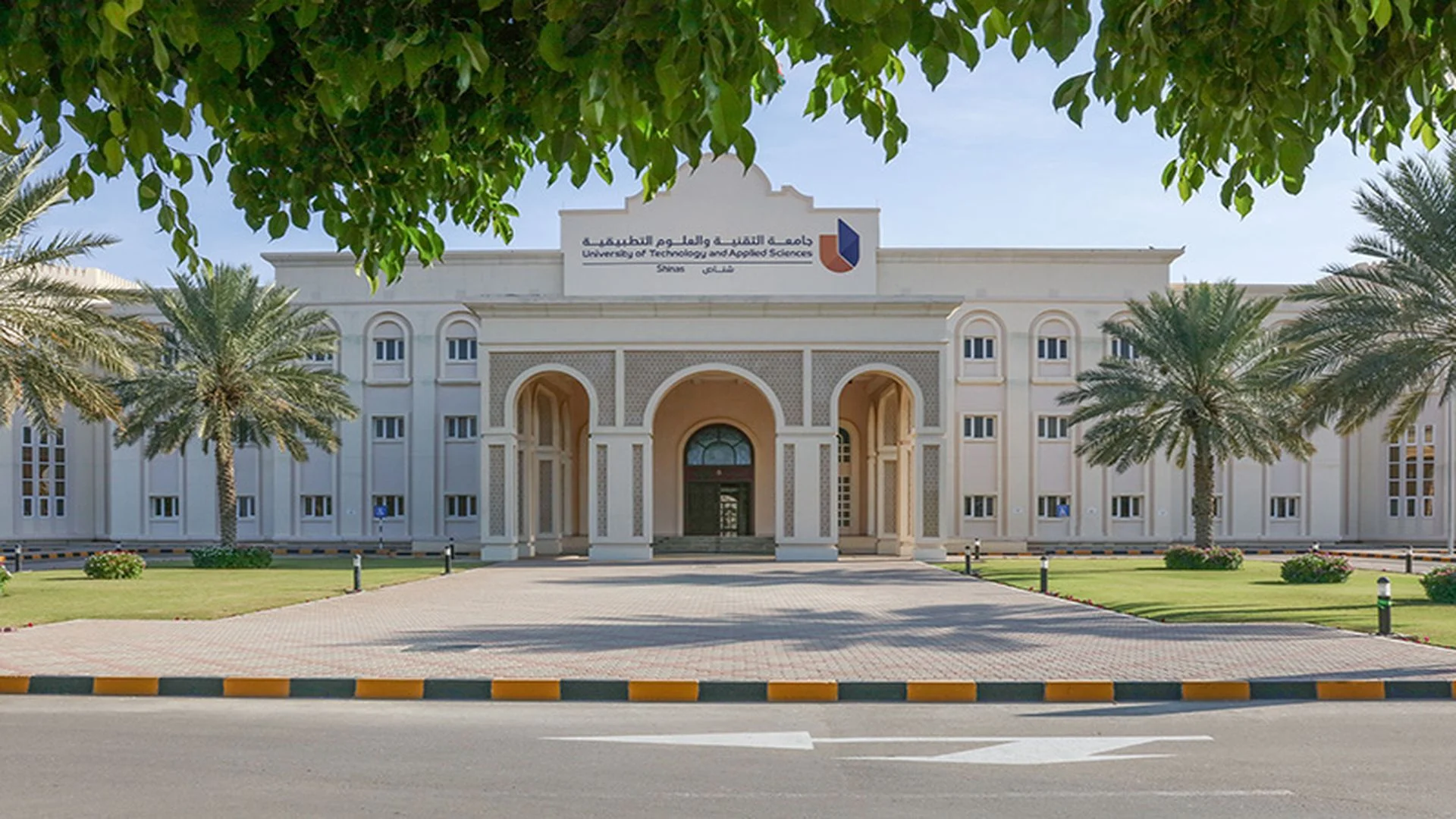
University of Technology and Applied Sciences, Oman

Across Oman, a new generation of innovators is demonstrating how sustainability and economic opportunity can intersect. A team of Omani students has developed a prototype that converts fish and seafood waste into biodegradable biopolymers, showing how one of the region’s most abundant waste streams can be transformed into a valuable industrial resource.
Their achievement signals a pathway for countries around the world to rethink waste, reduce plastic dependency and build new green industries.

Transforming Waste Shells Into High-Value Materials

The students used discarded fish and shrimp shells to produce chitosan, a biodegradable compound with a wide range of applications. Chitosan is already used in pharmaceuticals, water treatment, food packaging, agriculture and advanced material sciences.
By proving that it can be produced from local seafood waste using accessible methods, the students have demonstrated how coastal economies can create entirely new supply chains built on materials that are renewable, compostable and far less environmentally damaging than traditional plastics.

A Model for Circular Economies

What makes this project stand out is its scalability. Fish waste is abundant in Oman and many coastal nations, yet much of it is disposed of in landfills or at sea. Converting it into biopolymers opens the door to a circular economy where waste becomes a raw material, industries gain new revenue streams and environmental pressure is reduced.
The global demand for sustainable materials is rising rapidly. Industries are under pressure to replace petroleum-based plastics with biodegradable alternatives. Innovations like this offer a practical roadmap for meeting that demand while keeping production local.

Why the World Should Pay Attention

This project reflects broader global ambitions to shift toward low-carbon manufacturing and the responsible use of materials. The biopolymer market is expanding quickly, driven by packaging reform, environmental policy and corporate sustainability commitments.
If countries invest in similar initiatives, they could produce high-value biopolymers at scale, reduce reliance on imported plastics and support emerging green manufacturing sectors.
What began in a university laboratory could evolve into a national industry, and that model could be replicated across continents.

Advertisement Advertise on Techsoma

A Call for Collaboration and Investment

To unlock its full potential, the prototype needs investment from commercial partners, support from government agencies and access to industrial facilities capable of scaling production. Such collaboration would not only accelerate Oman’s circular economy efforts but also position the region as a leader in sustainable materials.
Across the world, policymakers and investors should view this as a template for transforming overlooked waste streams into profitable, environmentally responsible products.

A Small Innovation with Global Implications

Omani students have shown that meaningful climate solutions do not always come from large corporations or global laboratories. Sometimes, they begin with local resources, practical experimentation and a vision for a cleaner future.
Turning fish waste into biodegradable biopolymers is a statement that the world can rethink waste, support youth innovation and build new industries that are both profitable and environmentally sound.
The global community should take note. This is the kind of idea that reshapes economies and accelerates the transition toward sustainable materials.


Related Techsoma coverage

  • Google’s Quick Share Breaks the Wall Between Android and iPhone
  • Saudi Arabia’s New ‘Visa by Profile’ Signals a New Phase in Digital Tourism
  • UAE Investors Warm to AI-Driven Financial Advice, New Report Shows
Kingsley Okeke

Kingsley Okeke

Kingsley Okeke contributes technology reporting and analysis to Techsoma Middle East.

Recommended For You

Saudi AI-native startups growing 5 times faster than traditional startups
Artificial Intelligence

Saudi AI-Native Startups Make 5 Times More Revenue Than Traditional Startups: AWS Report

by Faith Amonimo
August 3, 2026

A new report from Amazon Web Services (AWS) and Strand Partners shows that Saudi AI-native startups are almost five times as likely to earn over $1 million in annual revenue...

Read moreDetails
1800x1013

Microsoft To Cut Over 5,000 Jobs As AI Infrastructure Spending Surges

July 1, 2026
phone

MEA Smartphone Shipments Fall 7 Percent in Q1 2026 as Memory Crisis Guts Budget Segment

June 4, 2026
Meta Launches Superintelligence Labs as Zuckerberg Builds AI Dream Team

Meta Cuts 8,000 Jobs Globally in Major AI-Driven Restructuring

May 21, 2026
ecosystem1 jpg

Abu Dhabi Signs Dual MoUs at Global Entrepreneurship Festival to Deepen Startup Support

April 23, 2026
Next Post
uae cyber centre excellence space security thales partnership

UAE Builds Cyber Centre of Excellence to Protect $12B Space Program from Rising Threats

Dubai drone delivery, Keeta Drone

Dubai Takes Flight: Keeta Drone Plans Sky-High Delivery Network Across 70% of City by 2030

Please login to join discussion

Recent News

The barq payments app on a smartphone, after the Saudi fintech reached a $1.85 billion valuation

Saudi Fintech barq Becomes a Unicorn Two Years After Launch

September 21, 2026

World Bank Funds Plan to Bring Digital Learning to Jordan’s 3,500 Schools

September 14, 2026
Egypt sovereign AI factory partnership between Vodafone, Elsewedy Electric, and Cassava Technologies

Egypt Gets Its First AI Factory With Nvidia Chips and Local Data Storage

September 14, 2026

Saudi Sovereign AI Deal: OmniOps and HPE Build Full-Stack Control

September 14, 2026
UAE agentic AI government FedAI rollout

The UAE Is Betting Its Government on AI That Can Act Alone

September 14, 2026

Techsoma Middle East reports on startups, artificial intelligence, fintech, cybersecurity, digital policy, and the people shaping the region’s technology economy.

SEARCH BY CATEGORIES

  • Amazon (6)
  • Apps (9)
  • Artificial Intelligence (305)
  • Aviation (5)
  • Business (15)
  • Clean Energy Tech (9)
  • Coding (1)
  • Creator Economy (7)
  • Cryptocurrency (12)
  • Cybersecurity (25)
  • E-commerce (9)
  • EdTech (7)
  • Electric Cars (14)
  • Fintech (57)
  • Future Tech (16)
  • FutureTech in ME (44)
  • Gaming (5)
  • Global News (113)
  • Healthcare (13)
  • Image Generation (3)
  • Investment Funding (49)
  • Investor Hotspots (31)
  • Latest Gadgets (5)
  • Metaverse (1)
  • Middle East Event Radar (32)
  • Middle East Innovation Frontier (134)
  • Middle East Tech Revolution (29)
  • Middle Eastern Startup Ecosystem (61)
  • Mobility / Logistics (16)
  • Next-Gen Gadgets for ME (15)
  • Opinions (14)
  • Politics (1)
  • Proptech (3)
  • Reports (69)
  • Robotics (17)
  • Social Media (13)
  • Space Tech (3)
  • Startups (12)
  • Tech (4)
  • Tech & Society (6)
  • Tech Gadgets (8)
  • Tech Policy in Middle East (13)
  • Technology (21)
  • Telecommunications (13)
  • Trade & Policy (5)
  • Uncategorized (8)
  • Venture Capital (4)
  • Wearable Tech (3)

Recent News

The barq payments app on a smartphone, after the Saudi fintech reached a $1.85 billion valuation

Saudi Fintech barq Becomes a Unicorn Two Years After Launch

September 21, 2026

World Bank Funds Plan to Bring Digital Learning to Jordan’s 3,500 Schools

September 14, 2026
  • About
  • Advertise
  • Privacy & Policy
  • Contact
  • Editorial Standards
  • Corrections Policy
  • Terms and Conditions

Copyright 2026 Techsoma Middle East. All rights reserved.

Welcome Back!

Login to your account below

Forgotten Password?

Retrieve your password

Please enter your username or email address to reset your password.

Log In
Techsoma

© 2026 Techsoma Media.

Company

Apps Startups Tech Reports

Legal

Terms Privacy RSS

Latest

Saudi Fintech barq Becomes a Unicorn Two Years After Launch Saudi Arabia has a new billion-dollar startup. Riyadh-based payments company barq has raised $329.5 million, and investors now... World Bank Funds Plan to Bring Digital Learning to Jordan’s 3,500 Schools Jordan has 3,500 public schools. Most of them do not have the basic infrastructure to support modern digital... Egypt Gets Its First AI Factory With Nvidia Chips and Local Data Storage Most countries talk about AI sovereignty as a policy goal. Egypt just made it a physical asset. On...
Techsoma Network Techsoma Network Techsoma Africa Techsoma Middle East Techsoma Canada
Transparency About Editorial Standards Corrections Privacy Terms Contact
No Result
View All Result
  • Next-Gen Gadgets for ME
  • Middle Eastern Startup Ecosystem
  • FutureTech in ME
  • Reports

Copyright 2026 Techsoma Middle East. All rights reserved.