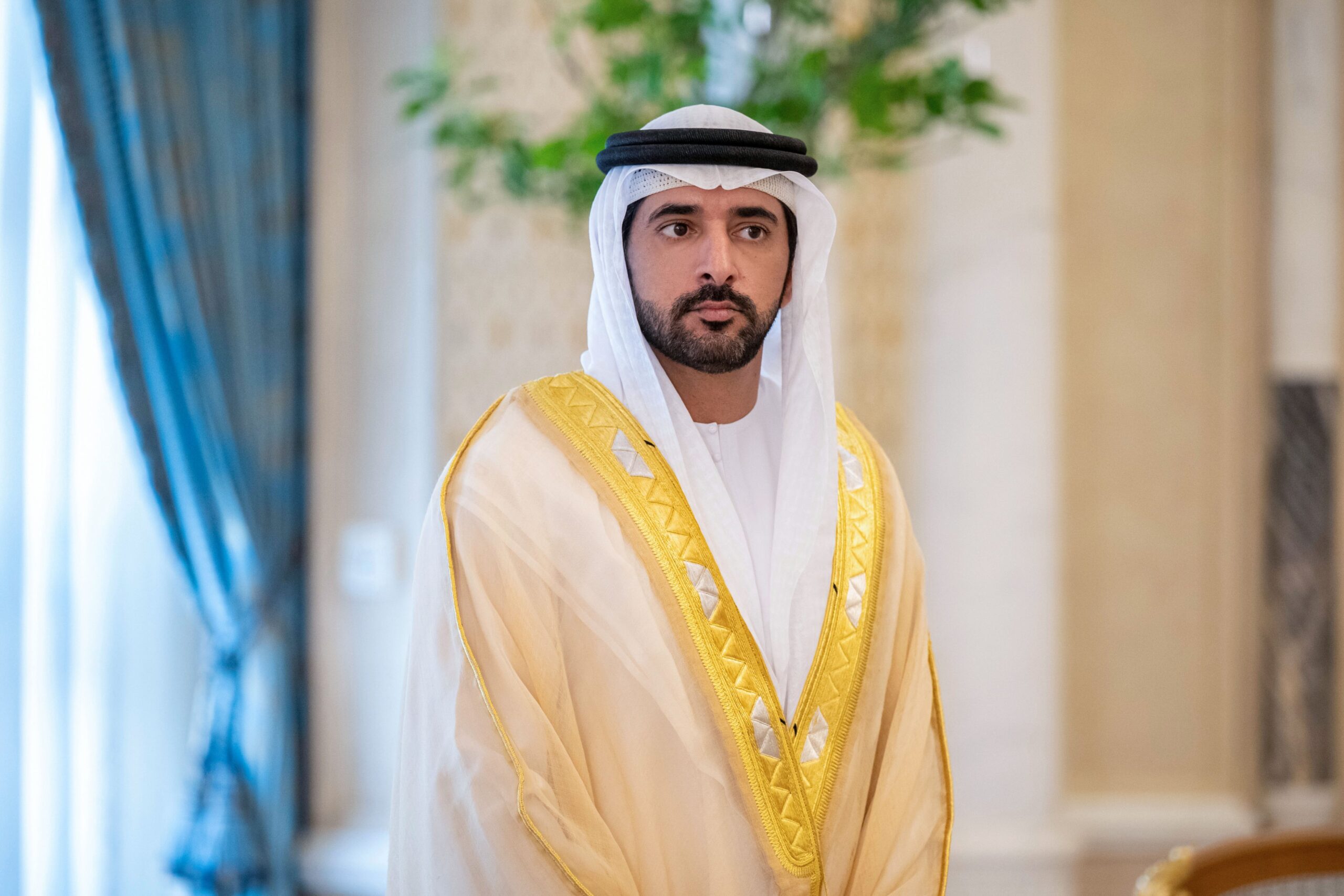
Dubai Crown Prince Sheikh Hamdan bin Mohammed bin Rashid Al Maktoum approved a new system that shows readers exactly how much AI helped create any piece of content. The Human-Machine Collaboration classification launched on recently makes Dubai the first city to tackle transparency in AI-assisted work.
The Dubai Future Foundation developed this global standard to address a growing problem. People can no longer tell if humans or machines wrote research papers, articles, or creative content. This creates trust issues for readers and decision-makers who need to know the source behind important information.
How Dubai’s AI Classification System Works
The system uses five main icons to show the level of collaboration between humans and machines:
All Human means no AI tools helped at any stage. A person did everything from start to finish.
Human Led shows people created the content but used machines to check facts, fix errors, or make improvements.
Machine Assisted indicates humans and AI worked together throughout the process, with both contributing equally.
Machine Led means AI did most of the work while humans checked quality and made corrections.
All Machine shows AI created everything without human input.
Nine additional icons specify where AI helped during creation. These cover idea generation, research, data collection, analysis, writing, translation, visual design, and formatting.
Sheikh Hamdan emphasized transparency helps distinguish human creativity from machine efficiency. He called on content creators worldwide to adopt Dubai’s system as the new standard for AI disclosure.
Dubai Government Entities Must Use New Icons
All Dubai government departments must now include these icons in their research and publications. This makes Dubai the first government to require AI transparency labeling across all official content.
The Dubai Future Foundation will display the icons on all its reports starting immediately. This demonstrates the organization’s commitment to transparent research practices.
Private companies and individual creators can use the system voluntarily. The icons are free to download and use without permission, though copyright remains with Dubai Future Foundation.
Why Dubai Created This Classification System
Dubai Future Foundation identified this need in their 2024 Global 50 report. They asked: “What if we had a Turing declaration for human intelligence?” This question addressed the post-Turing era where machine and human intelligence became hard to tell apart.
The classification fills a crucial gap during what experts call a transitional period. This phase could last several years or even a decade as different industries adopt AI at varying speeds.
Research shows people rely on AI for content creation but rarely disclose this assistance. This lack of transparency affects academic integrity, business credibility, and public trust in published information.
How the Icons Address Current AI Challenges
The system tackles several problems facing content creators and consumers today. Academic institutions struggle with students using AI without disclosure. Businesses face questions about AI-generated marketing materials. Media outlets deal with questions about AI assistance in reporting.
Dubai’s icons provide a simple visual solution. Readers can see at a glance how much AI contributed to any piece of content. This helps them make informed decisions about the information’s reliability and context.
The flexible framework works across all content types, including videos, images, social media posts, and academic papers. Creators choose which icons best represent their process rather than calculating exact percentages of AI involvement.
Global Impact and Implementation
Several international organizations already expressed interest in adopting Dubai’s system. The classification could become the global standard for AI transparency in content creation.
The timing proves crucial as AI tools become more sophisticated and widespread. ChatGPT, Claude, and other AI assistants now help millions of people write emails, reports, and creative content daily.
Dubai positions itself as a leader in AI governance through this initiative. The city previously launched the Dubai AI Seal, which certifies trustworthy AI companies across six tiers. Together, these programs establish Dubai as a hub for responsible AI development.
Technical Features and Accessibility
The icon system adapts to different languages and cultural contexts. Creators can combine multiple icons to show complex collaboration patterns between humans and machines.
Dubai Future Foundation provides detailed guidelines and examples on their website. Users can download icon combinations that match their specific use cases through an online tool.
The system relies on creator judgment rather than automated detection. This approach acknowledges that measuring AI contribution often involves subjective assessment, especially with advanced generative tools.
Industry Expert Reactions
Technology experts praise Dubai’s proactive approach to AI transparency. Many note the system addresses growing concerns about AI disclosure in academic and professional settings.
Some observers point out the system’s voluntary nature outside Dubai government limits its immediate impact. However, they expect adoption to grow as transparency becomes more important to consumers and institutions.
The classification system represents a practical solution to abstract ethical questions about AI use. Instead of debating whether AI assistance is acceptable, it simply requires disclosure of how much assistance occurred.
Future Developments and Expansion
Dubai Future Foundation plans to gather feedback from early adopters and refine the system based on real-world usage. They invite global content creators to share their experiences with the icons.
The organization may develop additional icons for specific industries or use cases as the system matures. They also plan to create guidelines for complex scenarios involving multiple AI tools or iterative human-machine collaboration.
This initiative reinforces Dubai’s position as a forward-thinking city that addresses technology challenges before they become widespread problems. The classification system could influence how other governments and organizations approach AI transparency in the coming years.