
Techsoma
Latest AI Innovation Global Reports Startups FinTech Funding Tech
Next-Gen Gadgets for ME Middle Eastern Startup Ecosystem FutureTech in ME Reports Artificial Intelligence Middle East Innovation Frontier Global News Reports Middle Eastern Startup Ecosystem Fintech Investment Funding FutureTech in ME
Techsoma Middle East
  • Next-Gen Gadgets for ME
  • Middle Eastern Startup Ecosystem
  • FutureTech in ME
  • Reports
No Result
View All Result
Techsoma
  • Next-Gen Gadgets for ME
  • Middle Eastern Startup Ecosystem
  • FutureTech in ME
  • Reports
No Result
View All Result
Techsoma
No Result
View All Result
Home Reports

Pakistan Announces Telecommunication Amendment Bill, Fast-Tracking Internet Infrastructure After Years of Delays

by Kingsley Okeke
February 14, 2026
in Reports
Reading Time: 2 mins read
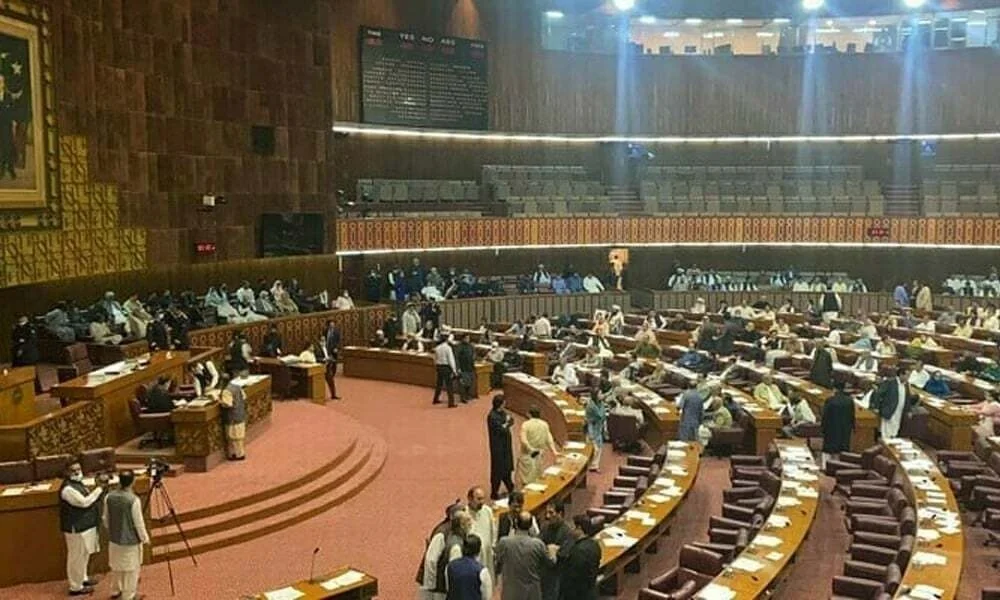
Pakistan Telecommunication Amendment Bill

Pakistan has approved a new law that could finally address the country’s long-standing internet problems. The National Assembly Standing Committee on Information Technology recently passed the Pakistan Telecommunication Amendment Bill, designed to speed up the expansion of internet and mobile networks across the nation.

For millions of Pakistanis who have endured slow internet speeds, frequent disruptions, and limited coverage in many areas, this bill represents a potential turning point in the country’s digital journey.

Bureaucracy Has Been Strangling Network Growth

The core problem the bill tackles is red tape. Currently, telecom companies face numerous procedural hurdles when trying to install fibre optic cables and mobile towers. These delays have slowed network expansion, leaving many areas with poor connectivity even as demand for internet services continues to grow.

The new law streamlines these processes, making it easier for licensed operators to deploy infrastructure quickly. Instead of navigating complex approval systems, telecom companies will now have clearer legal pathways to install, operate, and maintain their networks.

Land Access Disputes Will No Longer Stall Projects

One of the bill’s most significant provisions simplifies Right of Way regulations. This means telecom operators will have better legal access to both public and private land for laying fibre optic cables and erecting towers. Previously, disputes over land access often delayed projects for months or even years.

With clearer rules in place, companies can now move faster to bring internet connectivity to underserved communities, from rural villages to densely populated urban neighbourhoods struggling with network congestion.

Government Tightens Control Over Telecom Regulators

The bill also introduces stronger government oversight of the telecommunications sector. The Pakistan Telecommunication Authority, which regulates the industry, will see changes to its governance structure. The federal government will now determine the salaries of PTA’s chairman and members, and the authority’s financial operations will fall under the Public Finance Management Act of 2019.

These changes aim to improve transparency and fiscal discipline in how the regulator operates. The National Telecommunication Corporation will also be restructured under a state-owned enterprises framework, potentially making it more efficient and accountable.

150 Million Users Stuck With Outdated Networks

Pakistan’s internet infrastructure has struggled to keep pace with growing demand. The country has over 150 million internet users, making it the seventh-largest population of internet users globally. Yet many Pakistanis, particularly freelancers and remote workers, have complained bitterly about slow speeds and unreliable connections.

Recent reports show that Pakistan lags behind regional peers in telecom modernisation. Despite having a telecommunications market valued at $4.52 billion, the country has yet to launch 5G services and continues to face challenges with limited fibre optic expansion and delayed policy reforms.

Pakistan’s mobile networks are under strain because demand has grown faster than the available capacity to carry it. During peak hours in major cities like Karachi, Lahore, and Islamabad, users routinely experience slower speeds as networks struggle to handle the volume of traffic.

Implementation Will Determine If Reform Actually Works

While the bill’s approval is a positive step, the telecom industry will be watching closely to see how quickly the new streamlined processes take effect and whether they genuinely reduce the delays that have plagued infrastructure projects.

Pakistan is also expecting significant improvements from other initiatives, including new undersea cables that will increase the country’s bandwidth capacity. A recent 45,000-kilometre cable project is expected to double Pakistan’s digital bandwidth once it goes live.

For ordinary Pakistanis, this promises faster, more reliable internet that works consistently, whether they’re working from home, running online businesses, or simply trying to stay connected with family and friends.


Related Techsoma coverage

  • Tech Giants Are Sacking Workers Like Never Before
  • HyperPay Secures Gateway to Saudi Arabia’s $49B Digital Payments Boom
  • Adobe CEO Shantanu Narayen Steps Down After 18 Years as AI Pressure Builds
Kingsley Okeke

Kingsley Okeke

Kingsley Okeke contributes technology reporting and analysis to Techsoma Middle East.

Recommended For You

Saudi AI-native startups growing 5 times faster than traditional startups
Artificial Intelligence

Saudi AI-Native Startups Make 5 Times More Revenue Than Traditional Startups: AWS Report

by Faith Amonimo
August 3, 2026

A new report from Amazon Web Services (AWS) and Strand Partners shows that Saudi AI-native startups are almost five times as likely to earn over $1 million in annual revenue...

Read moreDetails
1800x1013

Microsoft To Cut Over 5,000 Jobs As AI Infrastructure Spending Surges

July 1, 2026
phone

MEA Smartphone Shipments Fall 7 Percent in Q1 2026 as Memory Crisis Guts Budget Segment

June 4, 2026
Meta Launches Superintelligence Labs as Zuckerberg Builds AI Dream Team

Meta Cuts 8,000 Jobs Globally in Major AI-Driven Restructuring

May 21, 2026
ecosystem1 jpg

Abu Dhabi Signs Dual MoUs at Global Entrepreneurship Festival to Deepen Startup Support

April 23, 2026
Next Post
Deloitte Innovation Hub

Deloitte Innovation Hub Returns to RiseUp Summit as Enterprise Innovation Partner

Algeria's New Online Law Platform

Algeria Launches Online Platform So Lawyers Can Get Court Rulings Without Setting Foot in a Courthouse

Please login to join discussion

Recent News

Fipera’s neofashion.ai Brings AI Fashion Photography to Every Brand

August 5, 2026
Abu Dhabi's AI Judicial Platform: A Global Test Case for AI in the Courtroom

Abu Dhabi’s AI Judicial Platform: A Global Test Case for AI in the Courtroom

August 5, 2026
A picture of Bundle co founders

UAE Startup Bundle Raises $5.5 Million for Web3 Rewards Platform

August 4, 2026

Design and AI Degree: Canadian University Dubai Launches Interdisciplinary BSc

August 4, 2026

Needle-Free Glucose Monitoring: Qatar University’s GlucoWatch and the Future of Diabetes Care

August 4, 2026

Techsoma Middle East reports on startups, artificial intelligence, fintech, cybersecurity, digital policy, and the people shaping the region’s technology economy.

SEARCH BY CATEGORIES

  • Amazon (6)
  • Apps (9)
  • Artificial Intelligence (302)
  • Aviation (5)
  • Business (15)
  • Clean Energy Tech (9)
  • Coding (1)
  • Creator Economy (7)
  • Cryptocurrency (12)
  • Cybersecurity (25)
  • E-commerce (9)
  • EdTech (6)
  • Electric Cars (14)
  • Fintech (56)
  • Future Tech (16)
  • FutureTech in ME (44)
  • Gaming (5)
  • Global News (113)
  • Healthcare (13)
  • Image Generation (3)
  • Investment Funding (47)
  • Investor Hotspots (31)
  • Latest Gadgets (5)
  • Metaverse (1)
  • Middle East Event Radar (32)
  • Middle East Innovation Frontier (133)
  • Middle East Tech Revolution (28)
  • Middle Eastern Startup Ecosystem (60)
  • Mobility / Logistics (16)
  • Next-Gen Gadgets for ME (15)
  • Opinions (14)
  • Politics (1)
  • Proptech (3)
  • Reports (69)
  • Robotics (17)
  • Social Media (13)
  • Space Tech (3)
  • Startups (12)
  • Tech (4)
  • Tech & Society (6)
  • Tech Gadgets (8)
  • Tech Policy in Middle East (13)
  • Technology (19)
  • Telecommunications (13)
  • Trade & Policy (5)
  • Uncategorized (8)
  • Venture Capital (4)
  • Wearable Tech (3)

Recent News

Fipera’s neofashion.ai Brings AI Fashion Photography to Every Brand

August 5, 2026
Abu Dhabi's AI Judicial Platform: A Global Test Case for AI in the Courtroom

Abu Dhabi’s AI Judicial Platform: A Global Test Case for AI in the Courtroom

August 5, 2026
  • About
  • Advertise
  • Privacy & Policy
  • Contact
  • Editorial Standards
  • Corrections Policy
  • Terms and Conditions

Copyright 2026 Techsoma Middle East. All rights reserved.

Welcome Back!

Login to your account below

Forgotten Password?

Retrieve your password

Please enter your username or email address to reset your password.

Log In
Techsoma

© 2026 Techsoma Media.

Company

Apps Startups Tech Reports

Legal

Terms Privacy RSS

Latest

Fipera’s neofashion.ai Brings AI Fashion Photography to Every Brand For fashion brands, the gap between a creative idea and a finished campaign has always been measured in... Abu Dhabi’s AI Judicial Platform: A Global Test Case for AI in the Courtroom The justice system has always been one of the most conservative adopters of new technology. Courts move slowly... UAE Startup Bundle Raises $5.5 Million for Web3 Rewards Platform Bundle, a UAE-based startup building a blockchain-powered rewards platform, has emerged from stealth with $5.5 million in pre-seed...
Techsoma Network Techsoma Network Techsoma Africa Techsoma Middle East Techsoma Canada
Transparency About Editorial Standards Corrections Privacy Terms Contact
No Result
View All Result
  • Next-Gen Gadgets for ME
  • Middle Eastern Startup Ecosystem
  • FutureTech in ME
  • Reports

Copyright 2026 Techsoma Middle East. All rights reserved.