There is a particular kind of danger in data that looks fine. It invites relief when what the situation actually calls for is attention. MENA’s Q1 2026 startup funding numbers are that kind of data.
On the surface, the region held up. Startups raised $799 million in the first quarter of 2026, according to Magnitt’s Q1 2026 report seen by Enterprise AM — flat year-on-year and up 31% from the previous quarter. The UAE led the region with $419 million, 53% of all funding, up 47% year-on-year. Average deal size hit an all-time high of $8.1 million. Read those numbers quickly, and you might conclude the ecosystem is holding its own through a difficult period.
Read them slowly, and a different picture emerges.
Note: Magnitt and Wamda, two of the region’s leading research platforms, track slightly different deal sets and use different methodologies — which is why their Q1 figures differ from the $941 million we reported previously using Wamda’s data. Both are credible sources. The divergence is normal in venture data, and both reports point in the same direction.
The Numbers Have A Problem
Transaction volume in Q1 hit a five-year low. Just 115 deals closed across the region, down 41% year-on-year. Fewer startups raised money. The ones that did raised larger amounts. That is not diversification of capital — it is concentration of it.
The UAE’s $419 million is also heavily skewed by a single transaction. Property Finder’s $170 million round from Mubadala accounts for more than 40% of the country’s total. Strip that out and non-mega transactions fell 13% year-on-year to $249 million. The headline number flatters the underlying reality.
Pre-seed and seed activity was particularly soft. The earliest stage founders — the ones who most need a functioning capital market to get started — found Q1 harder than the aggregate suggests.
Why Q1 Tells You Almost Nothing About The War
This is the part that matters most, and it requires understanding how venture capital actually works.
A startup that announced a funding round in January or February 2026 did not agree on the deal in January or February. Venture deals take between six and nine months to move from initial conversations to a signed close. What got announced in Q1 was negotiated, term-sheeted, and agreed in the second half of 2025 — months before the Iran-US conflict began in late February.
Farah El Nahlawi, Research Director at Magnitt, is direct about this. “The investment that’s being announced today is one that was already discussed earlier,” she told Enterprise AM. “The expected impact of the war is going to start reflecting in the region in Q3 numbers.”
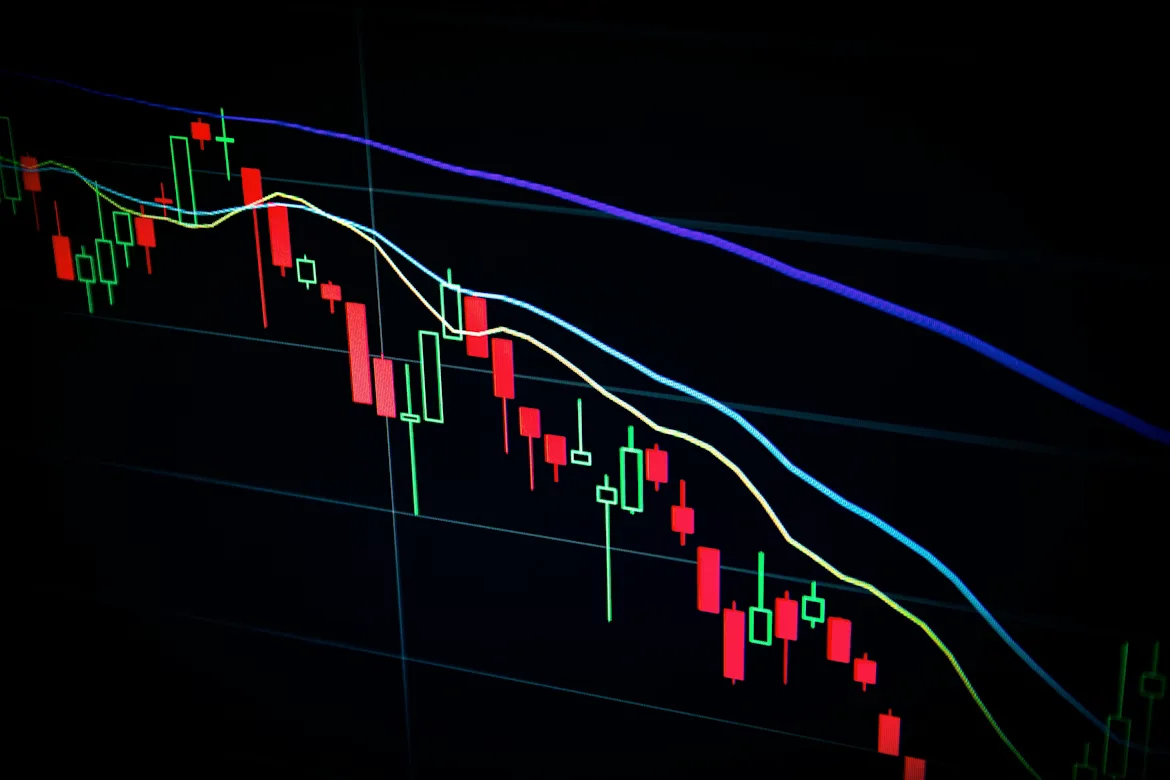
Q1 is a rearview mirror. The windscreen is still dark.
There is another layer to this. Some startups that did close rounds in Q1 likely chose not to disclose them. Announcing a flat round or a lower valuation during a period of active regional conflict invites uncomfortable questions. Silence was probably the easier option for some founders and investors. That means the disclosed data may be overstating actual activity.
The Foreign Investor Pullback Is Already Visible
If Q1 does not yet show the war’s full impact on deal flow, it does show something important: the international investor base is already moving.
Foreign investor participation dropped from 49% of capital deployed in the region in 2025 to just 26% in Q1 2026. Magnitt breaks this down into three distinct investor types, and the distinction matters.
The first group are the entrenched investors — firms with permanent offices and dedicated teams in Dubai, Riyadh, or Cairo. They are part of the regional ecosystem and are not going anywhere. The second group are the fundraisers — global firms that came to the region to raise capital for their global funds. Their regional deployment is strategic and also expected to remain steady.
The third group are the diversifiers — purely international firms with no physical presence in the region, no local team, and no long-term commitment to the market. They came for exposure. Now that exposure looks riskier. Their share of capital deployed in the region crashed from 22% to just 5% in a single quarter.
The UAE is the most exposed to this shift. It took 53% of all regional funding in Q1, but 70% of that capital came from international investors. If diversifiers continue pulling back — and there is no structural reason yet for them to stop — the UAE will feel it disproportionately.
What Founders Should Expect
The forward picture from Magnitt is not reassuring for the average founder. Investors will concentrate capital into their strongest bets. Fewer startups will raise, but the ones that do will raise more than they would have a year ago. Average deal sizes are already at record highs and are expected to stay elevated.
For founders at early stage, particularly pre-seed and seed, Q2 and Q3 will be harder than Q1. The data that made Q1 look manageable was built on deals agreed before the conflict. That pipeline does not automatically refill.
The Q1 numbers are not a clearance. They are a countdown.
For the full picture on how the Iran-US conflict has already reshaped MENA startup sentiment, read our earlier piece: MENA Startup Funding Fell 37% in Q1 2026 — The Iran-US War Is Why.