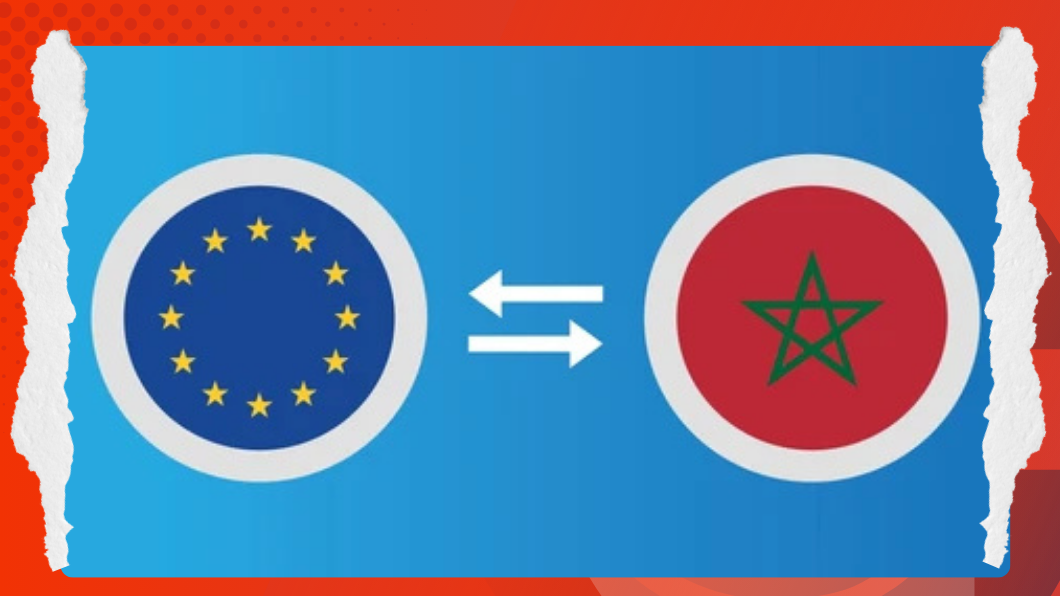
The EU and Morocco have opened a new Digital Dialogue that puts AI, startup support, secure networks, and digital public services at the center of their tech ties. The agreement gives both sides a formal path to work on AI compute, research links, public service tools, and trusted digital infrastructure. That focus matches a clear trend in tech right now. Countries want stronger local AI capacity, better digital links, and more room for startups to build useful products without getting stuck in high costs and slow processes.
Europe has spent the past year trying to push its AI agenda with more urgency. The European Commission launched its AI Continent Action Plan in April 2025, expanded its AI Factories push, and signalled that it wants to reduce the compliance strain on smaller companies under the AI Act. Reuters reported that the Commission planned to seek feedback on how to make those rules easier for startups to handle. Europe still wants strong safeguards, but it also wants faster growth and wider AI adoption.
What the new pact covers
The new dialogue centers on five practical areas. The EU and Morocco want to cooperate on secure digital networks, AI infrastructure, links between Moroccan research institutes and EU AI Factories, e-governance, and support for startups. The deal also includes work on digital public infrastructure and digital wallets. That detail matters because it shows both sides want this partnership to reach daily services and business tools, not stay inside policy meetings.
The launch also came with an administrative arrangement on AI ecosystems for innovation. In the same move, four European supercomputing centres, BSC, CINECA, GENCI, and LUMI, signed a letter of intent with Mohammed VI Polytechnic University in Morocco. That step gives the announcement substance. It ties the political message to research capacity and computing access, which now sit at the heart of the AI race.
AI compute moves to the front
In 2026, serious AI work still depends on one basic need. Teams need compute. They need processors, storage, data access, and expert support to train and test models at scale. Europe has responded by building AI Factories around its supercomputing network. The Commission says at least 15 AI Factories and several antennas should operate across 2025 and 2026. It also says at least nine new AI optimised supercomputers should come online and more than triple the current EuroHPC AI computing capacity. On top of that, the EU plans up to five AI Gigafactories through a €20 billion InvestAI facility.
Morocco brings real capacity into that picture. Mohammed VI Polytechnic University hosts Toubkal, which the university describes as the top-ranked supercomputer in Africa. The EU press release also calls it the most powerful supercomputer on the continent. That makes the new research link more than a diplomatic gesture. It connects Europe’s growing AI compute system with a serious research asset in North Africa.
Startups and public services get a clearer path
The startup angle deserves attention because both Europe and Morocco want stronger local tech businesses. The Commission says the dialogue will support startups that build solutions for business and social needs. Morocco has already set similar goals in its Digital Morocco 2030 strategy. According to the U.S. International Trade Administration, Morocco launched that strategy in September 2024 with plans to expand e-government, strengthen cloud and AI capacity, and grow its startup ecosystem with incentives, training, and funding support.
That overlap gives the partnership a practical base. Morocco wants to grow into a stronger tech hub in Africa, and Europe wants nearby partners that can work on trusted infrastructure, research, and digital services. If both sides follow through, startups should gain better access to expertise, computing resources, and public sector use cases. Young AI firms often need those three things before they need anything else.
Better links matter as much as better models
AI does not run on chips alone. It also needs fast and stable networks. The Commission pointed to the Medusa submarine cable system as part of the base for deeper digital ties. The Medusa project will install 7,100 kilometres of submarine optical fibre cable across the Mediterranean and link North African countries with Cyprus, France, Italy, Portugal, and Spain. The EU says the project aims to raise internet speed for North African universities by 200 times and connect 500 universities and research centres to Europe’s research network.
That detail shows how AI policy has changed. The strongest AI ecosystems no longer depend on one product or one lab. They depend on a full stack that includes compute, network capacity, talent, and public demand. Europe’s AI Continent Action Plan follows that logic by combining compute investment, skills, data policy, and regulatory simplification. The new Morocco dialogue follows the same path at a cross-border level.
The rules still shape the market
Europe is not stepping back from AI rules. The AI Act continues to roll out in stages. The EU says general provisions and prohibitions started in February 2025. Rules for general-purpose AI models were followed in August 2025. The main body of the law starts in August 2026, when enforcement begins for most of the framework. At the same time, the Commission has signalled that it wants a smoother path for startups and smaller innovators. That balance now defines much of Europe’s tech approach. It wants trusted AI, but it also wants less friction for builders.
For Morocco, that makes the dialogue more useful. Local startups and research teams get a closer view of how Europe plans to build and govern AI in the next phase. For Europe, the deal expands its digital reach south of the Mediterranean at a time when the race for talent, compute, and data links has become more intense. The result is a partnership that looks practical and timely. Right now, that kind of steady progress carries more value than flashy promises.
What to watch next
The next phase will decide how much weight this agreement carries. The clearest signals will come through joint research projects, startup programs, access paths into EU AI Factories, and public service pilots tied to digital identity or e-governance. The most important test will stay simple. Moroccan founders and research teams need a clear and usable route into these systems. If that route opens, this dialogue will move beyond diplomacy and become useful infrastructure for builders.
Europe has spent the past year saying it wants AI growth with practical support. Morocco has spent the same period building out its 2030 digital plan. This new dialogue brings those aims into one frame. It gives both sides a stronger chance to build tools, services, and companies that reflect real regional needs. That makes this a story worth following closely.