
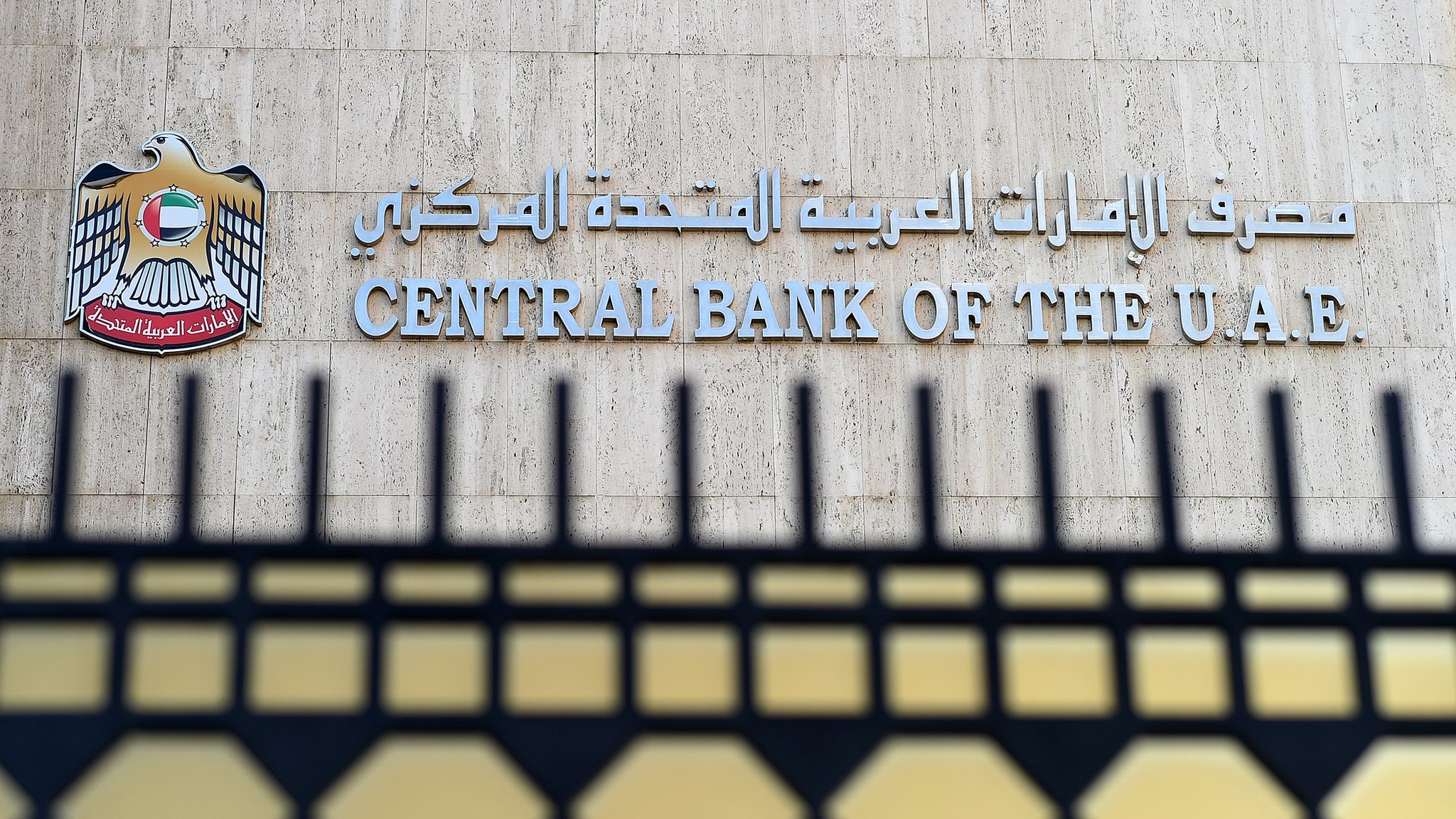
Mal just moved beyond startup talk and into regulatory reality. The Central Bank of the UAE gave the company in-principle approval to establish a licensed bank, and that early green light came only months after Mal announced a $230 million seed round led by BlueFive Capital.
Still, this approval does not make Mal a live bank yet. Mal’s own site still describes the company as a technology company, not a bank, and Yahoo Finance reported earlier this year that the firm still lacked banking licenses at that stage and faced the same hard regulatory path that slows every new banking entrant.
Mal clears an early hurdle
Mal has aimed high from the start. BlueFive Capital says the company wants to build an AI-native Islamic digital bank that serves Muslims and other underbanked users through a mobile-first product. Arabian Business also reports that Mal plans to sit inside a wider financial stack that covers payments, wealth, and embedded finance, not just a basic banking app.
The company also built a team that with clear intent. BlueFive Capital and Finextra say Mal brought in former executives from Revolut and Nubank, two digital banking names that already proved how much users value speed, simple design, and strong app-led service. That does not guarantee success, but it does show that Mal is chasing serious operating talent, not just headlines.
The UAE gives this plan room to grow
The UAE gives Mal a solid launch pad because the country has spent years building fintech support around regulation, infrastructure, and cross-border links. The UAE Central Bank says its FinTech Office launched in 2020 to grow demand, capital, policy, talent, and infrastructure, and it also created a regulatory interface that includes a sandbox and industry collaboration.
The UAE Central Bank’s rulebook for enabling technologies covers AI, cloud, biometrics, and data analytics, and it asks financial institutions to build real governance around those tools. The rules stress data protection, strong audit and risk teams, independent reviews, and proper staff training.
AI in banking now needs proof
McKinsey says generative AI can add as much as $340 billion a year in value across banking, but the firm also says most banks still struggle to move beyond pilots and turn experiments into real returns. Many banks still bolt AI onto old systems and then wonder why the gains stay small.
The UAE already looks more action focused than many markets. Finastra says 53 percent of financial institutions in the UAE use AI to improve accuracy and reduce errors, while 44 percent use it to cut operating costs. The same survey says nine in ten institutions in the UAE plan to raise security spending, which shows that banks now pair AI rollouts with tougher work on resilience and trust.
The hard work starts now
Licensing and capitalization still create hard compliance and cost hurdles for any new bank. McKinsey also warns that banks add more technical debt when they layer new AI tools on weak operating models instead of fixing the core process first.
Mal now needs to prove three simple things in the real market. It needs to show that its controls satisfy regulators, that its product solves everyday money tasks without friction, and that its AI improves service instead of adding confusion. If the company gets those basics right, it will do more than launch another digital bank. It will give Islamic finance a cleaner and more modern mobile banking model at the right time.