

Abu Dhabi has a new AI startup with a pitch that feels practical. CentaureAI says it can turn the cameras, sensors, and access systems that cities and companies already own into live intelligence tools. The goal is to spot unusual activity faster, send useful alerts, and help teams act before small problems grow. The company launched at Make it in the Emirates 2026 after early deployments, and it builds on research first developed at the Technology Innovation Institute under Abu Dhabi’s Advanced Technology Research Council.
Buyers still want smart software, but they no longer cheer for every big promise. They now ask harder questions. Can this tool work with the hardware we already own? Can it cut response times? Can it show clear value without a long rebuild? CentaureAI enters the market at the right time because it speaks to those exact demands.
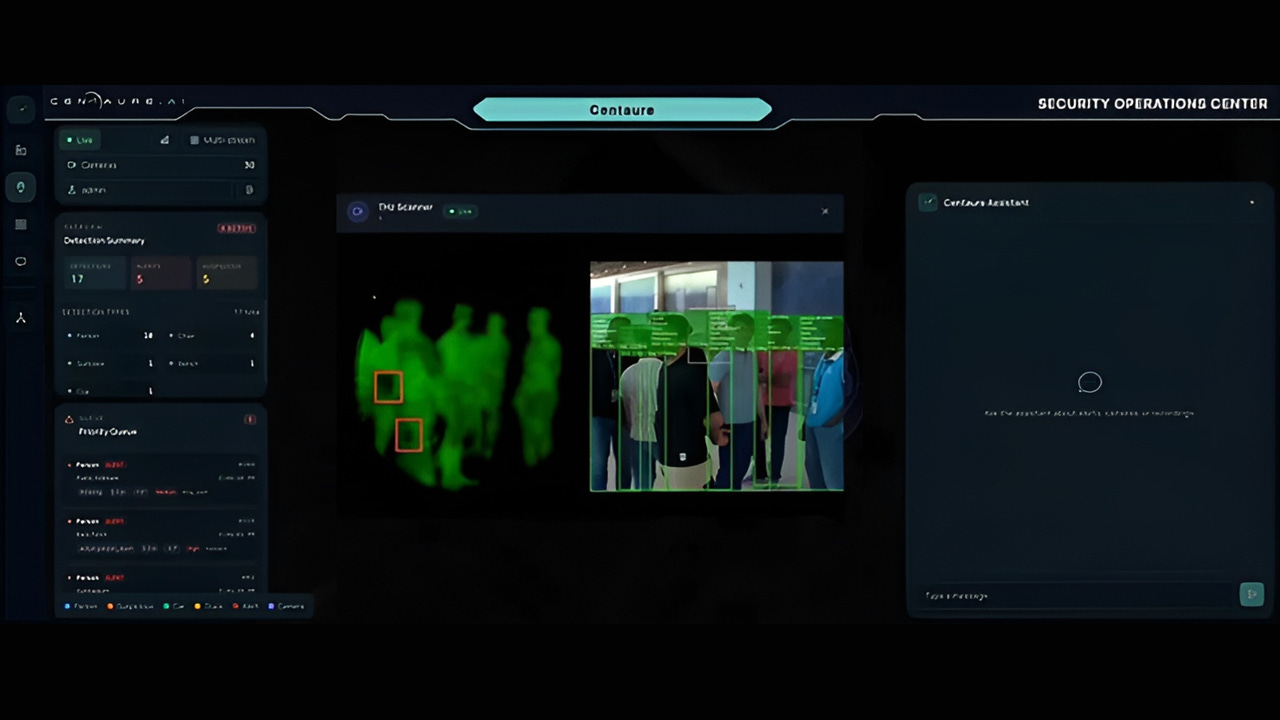
CentaureAI uses the camera companies’ own
The startup says its platform reads live video and sensor feeds, detects objects, tracks crowd movement, classifies activity, and flags unusual events. It also supports response workflows such as escalations, notifications, and logging. In plain terms, it tries to help control rooms focus on what needs attention right now instead of drowning in endless footage. Just as important, CentaureAI says customers can connect the software to existing CCTV systems, IP cameras, access control tools, IoT devices, and environmental sensors. That lowers cost and cuts friction for adoption. Most operators prefer upgrades that fit into current systems. They do not want expensive replacement projects that drag on for months.
ABI Research says urban areas worldwide could have 1.4 billion CCTV cameras by 2030. It also says many authorities still use video mainly to review incidents after they happen. AI changes that equation when it works well. It can help teams monitor crowded places, spot suspicious activity, and react faster in live situations. That is the gap CentaureAI wants to fill. It wants to make old surveillance systems more useful in the moment, not just after the fact.
Abu Dhabi keeps turning lab work into startups
CentaureAI did not appear in isolation. It came out of Abu Dhabi’s plan to turn state-backed research into real products and companies. ATRC says VentureOne acts as its commercialisation arm and helps bridge the gap between research and market use. TII said the same when it announced VentureOne in 2022. The message has stayed consistent ever since. Build the technology locally, shape products around it, and push them into live markets through focused ventures.
You can already see that playbook at work. ATRC launched AI71 in 2023 to build enterprise AI products on top of Falcon models. TII and VentureOne then launched SteerAI in 2024 to bring autonomous driving software and hardware kits to industrial vehicles. CentaureAI fits that same pattern. Abu Dhabi does not just want research papers and patents. It wants products that serve companies, governments, and critical infrastructure.
That strategy now has stronger global backing. Reuters reported in 2024 that Microsoft invested $1.5 billion in G42, the Abu Dhabi AI firm, and took a board seat. The deal showed how seriously global tech players now view the emirate’s AI push. It also put more weight on secure and responsible deployment, which matters in sensitive sectors such as surveillance and critical infrastructure. Smaller startups like CentaureAI stand to benefit from that wider momentum because they now launch into a market that already pays attention to Abu Dhabi’s AI stack.
Trust will shape the next step
Still, no company in AI surveillance can win on speed alone. Trust will decide how far these tools go. Reuters showed that clearly when it covered France’s AI video surveillance plans for the Paris Olympics. French authorities limited the software to defined events such as crowd surges, abandoned objects, fires, weapons, heavy crowding, and people on the ground. Human operators still had to judge alerts. France also kept facial recognition off the table in most cases. Those guardrails tell you how this market now works. Buyers want faster alerts, but they also want clear limits, privacy protection, and human oversight.
That creates a clear challenge for CentaureAI. The startup must prove that its alerts stay accurate, its false alarms stay low, and its system helps teams make better decisions under pressure. It also needs to show that it can respect local rules on privacy and data control. Those points matter even more now because governments and large companies have become more careful about how they deploy AI in the physical world. They want useful software, but they also want accountability.
CentaureAI has a strong opening
Right now, CentaureAI looks well placed. It has a product that fits current buyer demand. It has backing from a research ecosystem that already knows how to move IP into startups. It also operates in a city that has made AI a serious economic and strategic bet. That does not guarantee success. The company still has to win customers, scale carefully, and prove results in real environments. But its pitch makes sense for this stage of the market. In 2026, useful AI beats noisy AI, and CentaureAI seems to understand that.