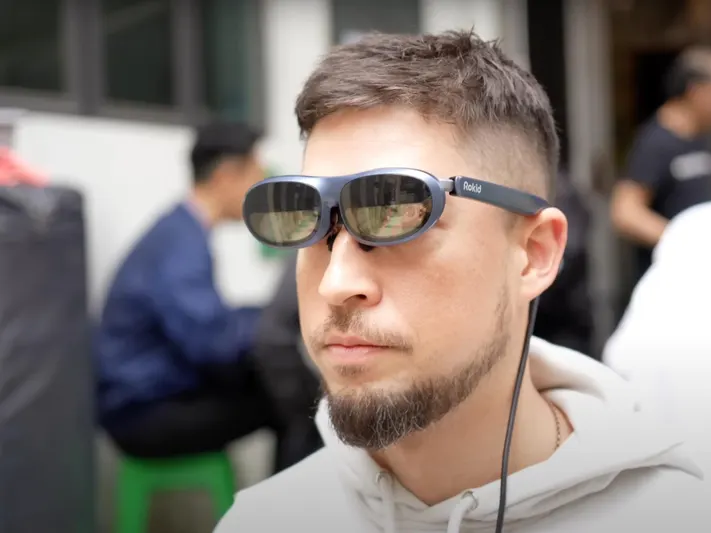
Chinese tech company Rokid is positioning itself as a formidable challenger to Meta’s popular Ray-Ban smart glasses, offering AI-powered eyewear at a significantly more accessible price point. This move could democratize access to wearable AI technology and intensify competition in the rapidly growing smart glasses market.
Competitive Pricing Disrupts the Market
While Meta’s Ray-Ban Stories and their subsequent iterations have garnered significant market attention due to their sleek design and integrated AI capabilities, their premium pricing has kept the technology out of reach for many consumers. Rokid’s strategy centres on delivering comparable AI functionality at a fraction of the cost, potentially opening the smart glasses category to a much broader audience.
The company’s latest models incorporate advanced features, including voice-activated AI assistants, real-time translation capabilities, and augmented reality displays. Despite the lower price tag, Rokid has managed to pack in impressive technical specifications that rival established competitors, challenging the notion that cutting-edge wearable AI must come with luxury-tier pricing.
Feature-Rich Without the Premium Price
Rokid’s AI glasses provide hands-free computing experiences comparable to Meta’s offerings, enabling users to capture photos and videos, receive notifications, navigate with AR overlays, and interact with AI assistants via voice commands. The glasses integrate with smartphones and can process information in real-time, from translating foreign language text to identifying objects and providing contextual information about the wearer’s surroundings.
The Chinese manufacturer has also focused on battery life and comfort, two critical factors that have historically challenged smart glasses adoption. By optimising power consumption and using lightweight materials, Rokid aims to create a device that users can comfortably wear throughout the day without frequent recharging.
Challenging Meta’s Market Position
Meta’s partnership with Ray-Ban brought style and brand recognition to smart glasses, helping overcome the stigma that plagued earlier attempts like Google Glass. However, Rokid’s aggressive pricing strategy could force Meta to reconsider its positioning or risk losing market share to more affordable alternatives, particularly in price-sensitive markets across Asia and other regions.
As AI-powered wearables continue evolving from novelty items to practical everyday tools, the competition between established tech giants and nimble challengers like Rokid will likely drive innovation while making the technology more accessible. Whether Rokid can match Meta’s ecosystem integration and brand appeal remains to be seen, but their price advantage gives them a compelling entry point into consumers’ consideration sets.