
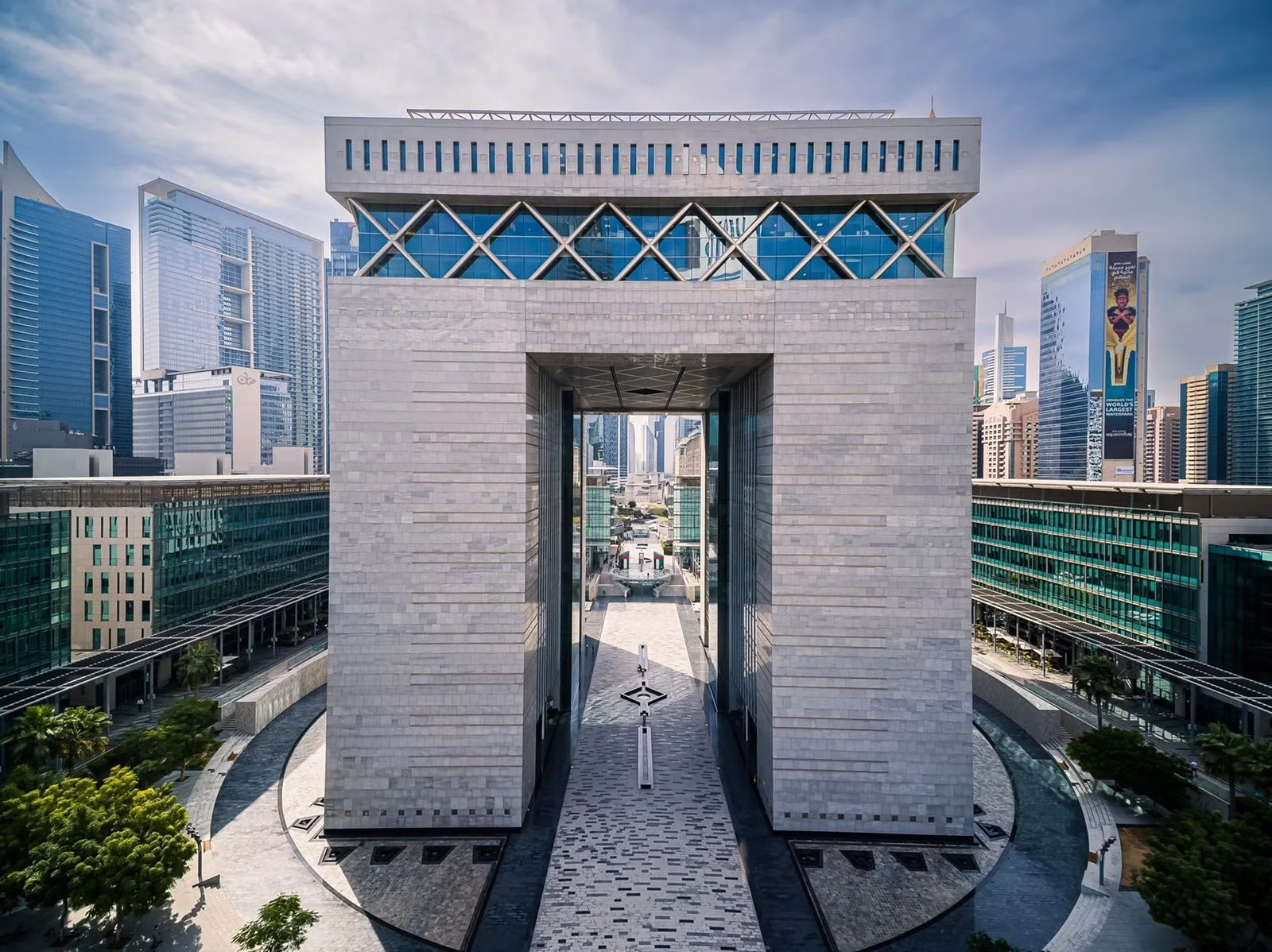
The Dubai International Financial Centre has announced that it will become the world’s first AI-native financial centre, and the word “native” is doing a lot of work in that sentence. Rather than piloting AI at the margins, DIFC intends to integrate it into the core operating system of the centre, spanning legal frameworks, regulatory systems, business environment, and physical infrastructure.
The ambition is backed by real money. DIFC has committed $350 million to the initiative, projecting $3.5 billion in economic value and the creation of around 25,000 jobs.
Giving AI a Legal Identity
The most striking element of the plan is a regulatory move that has no precedent anywhere in the world. DIFC is developing a legal framework that allows an AI agent to register as a recognised jurisdictional participant, on par with a bank or an asset manager, not as a tool within a firm, but as an entity with formal standing in the system.
This matters because current financial regulation everywhere in the world assumes a human or a corporate entity at the end of every transaction. If AI agents are going to increasingly execute trades, manage compliance, and make credit decisions autonomously, the regulatory silence around their legal status becomes a real problem. DIFC is attempting to solve that before it becomes a crisis rather than after.
The broader regulatory model will formally recognise humans, AI agents, and robotics as participants in financial activity, with frameworks covering liability, dispute resolution, trusted data exchange, and real-time compliance systems.
A Shared AI Infrastructure for All Firms
One of the more interesting structural decisions in the plan is the creation of a sovereign AI utility. A shared large language model infrastructure will be provided for all regulated firms in the centre, meaning that firms of all sizes will have access to the same foundational AI capabilities within DIFC’s ecosystem.
That is a meaningful equaliser. In most financial markets, access to cutting-edge AI infrastructure heavily favours large institutions with the capital to build or license it. A shared model flattens that advantage somewhat and could make DIFC more attractive to smaller fintech firms that would otherwise be at a disadvantage.
The Numbers Behind the Ambition
DIFC did not announce this from a standing start. AI adoption among firms in the centre rose to 52 percent in 2025 from 33 percent in 2024, according to an annual survey by the Dubai Financial Services Authority. Generative AI adoption grew 166 percent over 12 months, while 75 percent of firms surveyed plan to increase AI use over the next three years.
DIFC reached 1,677 AI and fintech organisations in 2025, with startups collectively raising more than $4.5 billion regionally. The foundation was already there. The announcement today is the formal declaration of where the institution intends to take it.