
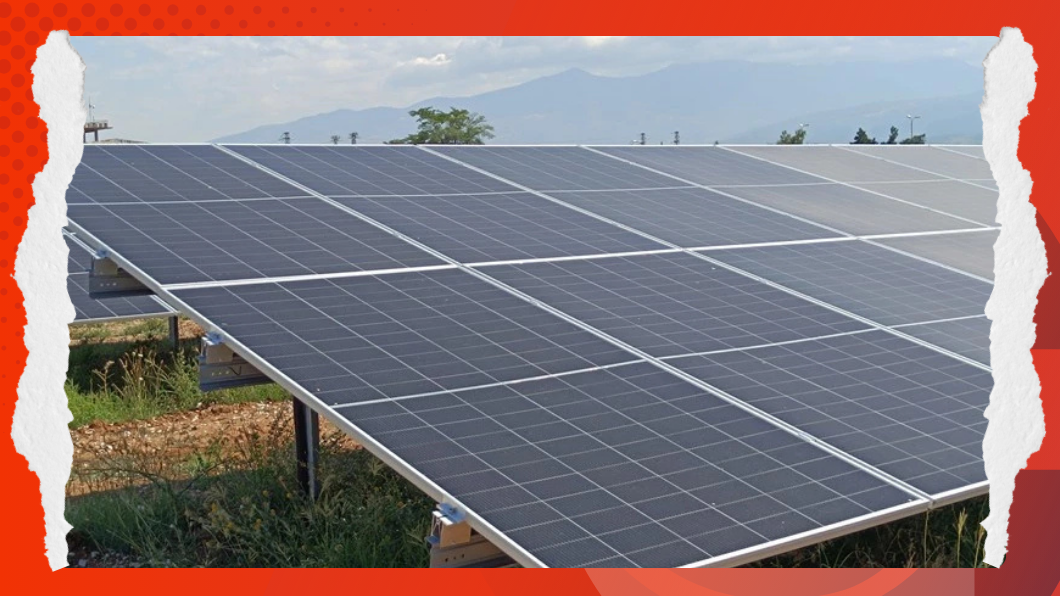
Google just signed a power purchase agreement with Japanese energy firm Shizen Energy for a 30-megawatt solar farm in Malaysia’s Kedah state. The deal positions Google among the first companies to secure clean power through Malaysia’s Corporate Green Power Programme (CGPP). Operations start in 2027, giving Google direct access to carbon-free electricity for its expanding regional data centers.
Why Google Picked Malaysia for Solar Power Expansion
Malaysia offers Google what many Asian markets cannot. The country launched its CGPP framework in 2024, allowing big companies to buy clean electricity directly from generators.
This solar project sits in Gurun, Kedah, developed by consortium SM01 Sdn Bhd. Shizen Malaysia holds 49% ownership, while local partners Solarvest Asset Management and HSS Engineering control 33% and 18% respectively.
Google aims to run all operations on carbon-free power 24/7 by 2030. Asia remains the biggest challenge for this goal since fossil fuels still dominate electricity generation across the region.
Malaysia Bets Big on Corporate Clean Energy Buyers
Malaysia targets 70% renewable power capacity by 2050 under its National Energy Transition Roadmap. Currently, renewables represent roughly 26% of the country’s power mix, creating massive expansion opportunities.
The CGPP framework enables large electricity users to contract directly for renewable power, reducing dependence on the national grid. Corporate buyers like Google provide the long-term revenue certainty that renewable developers need for project financing.
UOB Malaysia arranged project financing for the Kedah solar farm, acting as mandated lead arranger and sole lender. This financial structure demonstrates how international partnerships can mobilize capital for clean energy infrastructure.
Shizen Energy Builds Regional Solar Platform
For Shizen Energy, the Malaysian project represents its first utility-scale solar development in the country. The Japanese company previously focused on smaller commercial and industrial installations, totalling around 60 MWp of capacity in Malaysia.
CEO Kenji Kawado views Malaysia as a key market for Southeast Asian expansion. The Google partnership validates Shizen’s ability to deliver complex renewable solutions across borders, building on its established relationship in Japan.
Local partner involvement brings engineering expertise and supply chain connections essential for project execution. The consortium structure combines international renewable energy experience with domestic market knowledge.
Data Centre Demand Drives Regional Energy Transformation
Tech companies need massive electricity supplies for AI development and cloud computing expansion, creating new demand patterns that favour renewable sources.
Corporate power purchase agreements provide price certainty and emissions reductions that help multinational companies meet sustainability targets. These deals also anchor investment in renewable infrastructure that benefits entire power systems.
The Malaysia agreement supplies Google with energy attributes tied to actual solar generation, enabling progress toward hour-by-hour clean electricity consumption. This approach moves beyond basic renewable energy certificates toward real-time carbon-free operations.