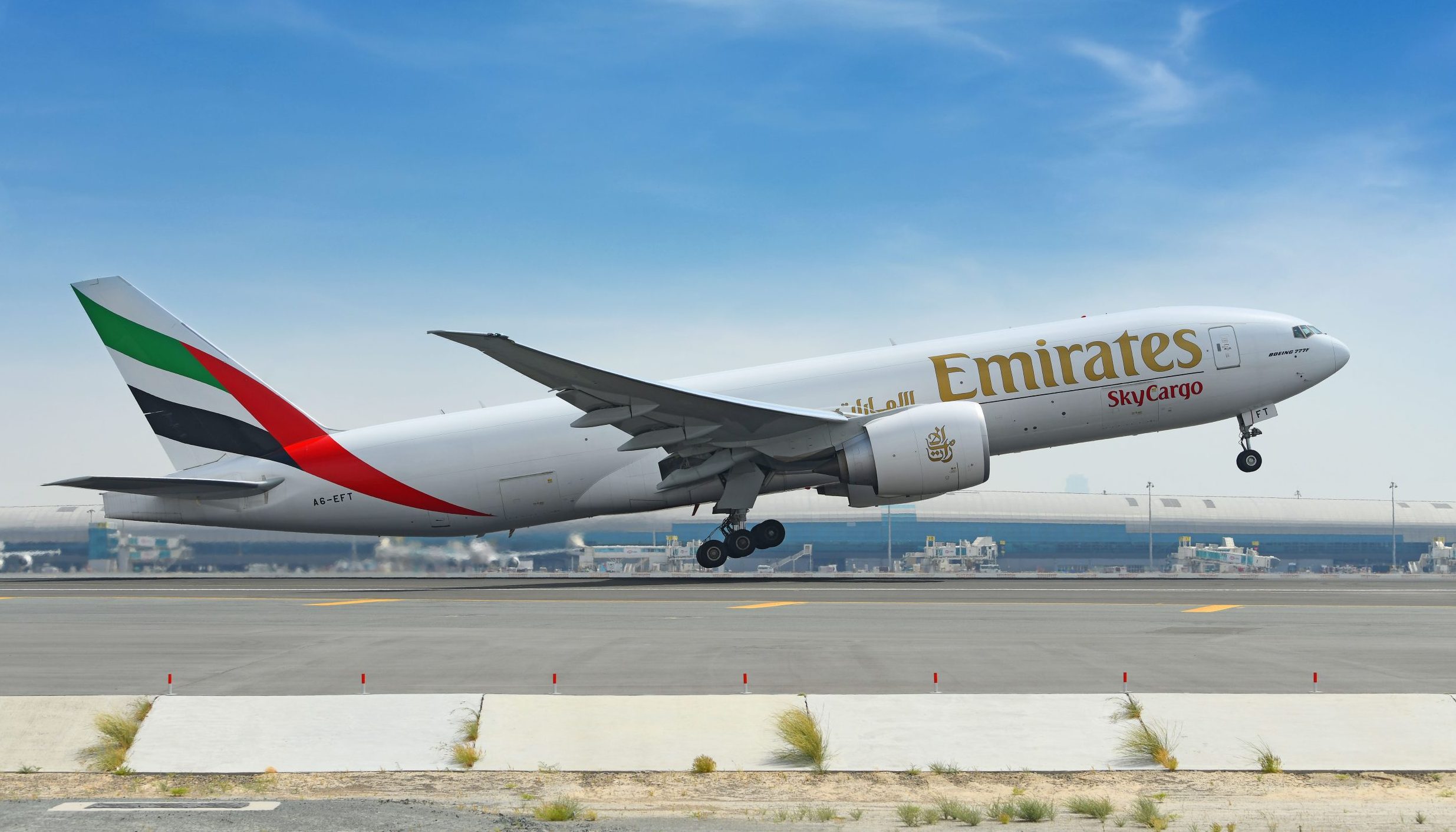
Dubai’s Emirates has deployed artificial intelligence to monitor engine health in real-time, helping the airline avoid costly flight diversions and improve operational efficiency. The technology analyzes engine performance data during flight to predict potential issues before they become critical failures.
Real-Time Engine Health Monitoring Prevents Costly Diversions
Emirates now uses AI algorithms to track engine performance throughout each flight. The system processes data from engine sensors to identify early warning signs of component wear or malfunction. This allows maintenance teams to make informed decisions about continuing flights versus diverting to alternate airports.
“We are able to use AI to predict the health of the engine, and how it is performing, and that helped us a number of times to avoid diversions of an aircraft because we were able to continue operating that aircraft for the specific diagnosis and live monitoring,” said Adel Al Redha, Emirates’ deputy president and chief operations officer, during the ForsaTek 2025 conference.
Flight diversions cost airlines significant money through fuel consumption, crew overtime, passenger compensation, and schedule disruptions. Emirates’ AI system helps minimize these expenses by providing accurate assessments of engine condition during flight.
Partnership with Airbus Expands Predictive Maintenance Capabilities
Emirates recently signed an agreement with Airbus to implement advanced predictive maintenance across its A380 and A350 fleets. The partnership includes Airbus’ Skywise Fleet Performance+ system and Core X3 analytics platform, which enable real-time monitoring of aircraft health data.
The Skywise system allows Emirates engineering teams to identify potential issues during flight and determine necessary maintenance actions during aircraft turnarounds. This approach reduces unscheduled downtime and ensures aircraft operate at optimal performance levels.
“As a highly efficient, customer-centric operation, Emirates is always looking at ways to leverage leading-edge technologies that improve operational reliability and punctuality, minimise unscheduled downtime and ensure our fleet operates at the highest standards,” said Ahmed Safa, Head of Emirates Engineering.
GE Aviation Collaboration Reduces Engine Failures
Emirates participated in a pilot project with GE Aviation to test AI-driven predictive maintenance technology. The system combines artificial intelligence, machine learning, and digital twin technology to predict engine component failures before they occur.
GE’s system analyzes engine data to reduce unscheduled engine removals by one-third. The technology uses image analytics similar to facial recognition algorithms to assess component condition and prioritize maintenance actions based on damage severity.
The solution helps airlines extend engine life while maintaining safety standards. It minimizes inspection requirements and keeps engines operational for longer periods between maintenance cycles.
Industry-Wide Benefits Drive AI Adoption
The aviation industry adopts AI for maintenance operations due to significant cost savings and safety improvements. According to industry data, predictive maintenance can reduce unplanned maintenance by up to 30% and increase aircraft availability by 20%.
Swiss International Air Lines reported saving $5.4 million in a single year through AI implementation, demonstrating the technology’s financial impact.
The global AI in aviation market is expected to grow by 26.5% by 2028, reaching $914.1 million, up from $223.1 million in 2022. This growth reflects airlines’ recognition of AI’s value in improving operational efficiency and reducing costs.
Enhanced Safety Through Predictive Analytics
AI systems analyze thousands of data points from aircraft sensors to identify patterns that indicate potential failures. This capability allows maintenance teams to address issues before they compromise flight safety or cause in-flight emergencies.
The technology processes engine temperature, vibration, pressure, and performance data to create comprehensive health assessments. Machine learning algorithms continuously improve their accuracy by learning from historical maintenance data and failure patterns.
Emirates uses this predictive capability to enhance flight safety while maintaining operational efficiency. The system provides early warnings about engine conditions, allowing crews to make informed decisions about flight continuation or diversion.
Data-Driven Maintenance Scheduling
AI-powered maintenance scheduling optimizes aircraft availability by predicting when components will need replacement or repair. This approach allows airlines to plan maintenance activities during scheduled downtime rather than responding to unexpected failures.
Emirates’ system analyzes engine performance trends to forecast maintenance needs weeks or months in advance. This capability enables better resource allocation and reduces the need for emergency maintenance that disrupts flight schedules.
The technology also helps optimize inventory management by predicting which parts will be needed and when. This reduces carrying costs for spare parts while ensuring necessary components are available when required.
Future Applications and Workforce Development
Emirates plans to expand AI applications beyond engine monitoring to include turbulence prediction, fuel optimization, and operational efficiency improvements. The airline is also investing in staff training to help employees work effectively with AI-powered systems.
“We’re going to rely on generative AI. That’s going to make some of our jobs easier and information much more faster accessible,” Al Redha explained. The airline will upskill employees to manage new AI-driven processes and technologies.
The company is also strengthening cybersecurity measures to protect AI systems and the data they process. As reliance on technology increases, Emirates recognizes the need for robust security protocols to safeguard operations.
Competitive Advantage Through Technology Leadership
Emirates’ early adoption of AI for engine monitoring positions the airline as a technology leader in the aviation industry. The investment in predictive maintenance systems demonstrates the company’s commitment to operational excellence and cost management.
The technology provides measurable benefits through reduced diversions, improved aircraft availability, and lower maintenance costs. These advantages contribute to Emirates’ competitive position in the global aviation market.
Other airlines are now following Emirates’ example by implementing similar AI-driven maintenance systems. The success of these early adopters validates the technology’s value and encourages broader industry adoption.