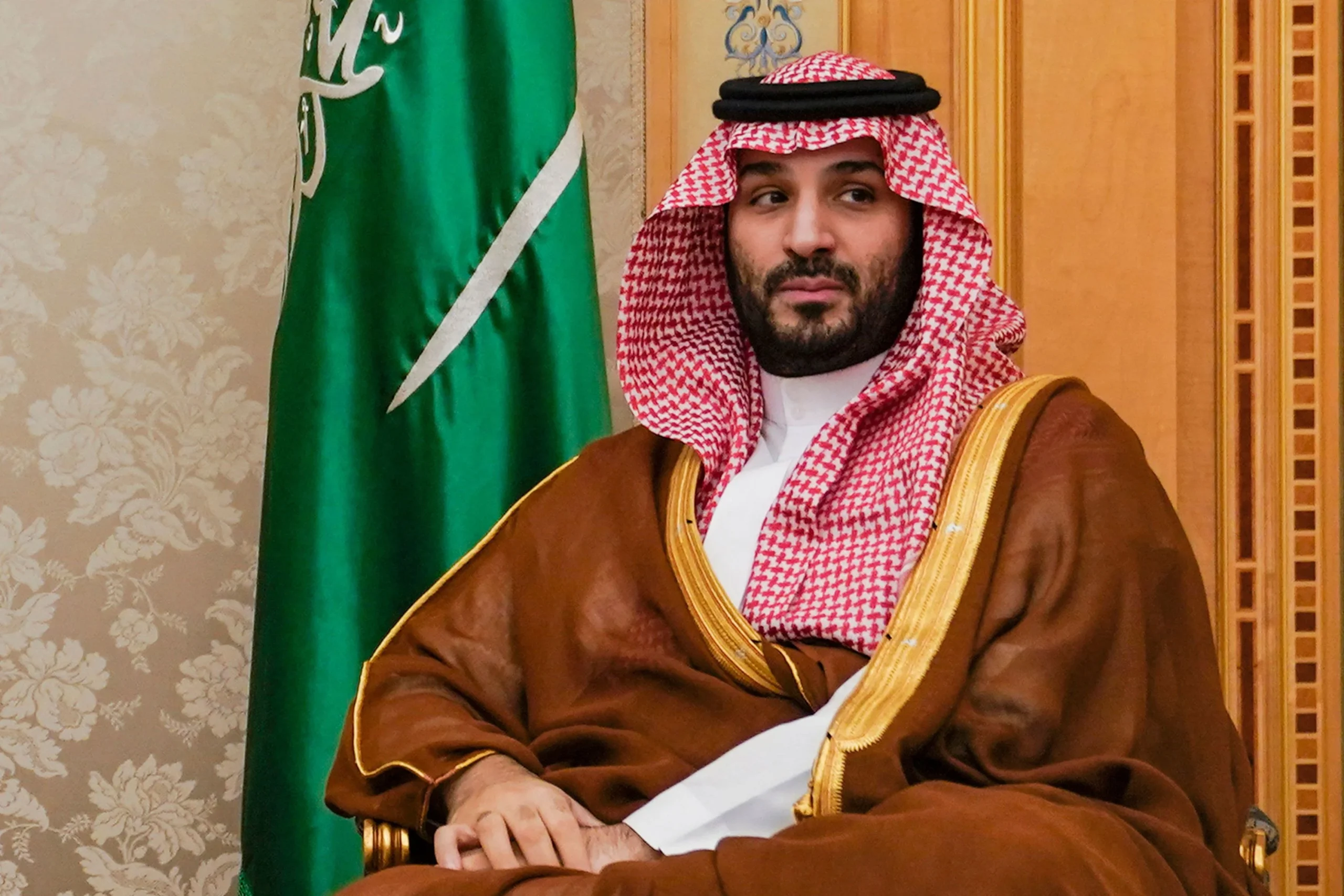
Saudi Arabia has made its ambitions official. The Saudi Cabinet, chaired by Crown Prince Mohammed bin Salman, has approved the designation of 2026 as the Year of AI.
A Decision Backed by Real Numbers
The announcement is not symbolic. Companies operating in the Kingdom have secured approximately $9.1 billion in funding as part of Saudi Vision 2030’s broader technology push, and the momentum behind that figure has been building for years.
Government spending on emerging technologies rose by more than 56 percent in 2024, and Saudi Arabia ranked 14th in the 2025 Global AI Index while maintaining a leading position in the Arab world for AI model development. These are not aspirational benchmarks; they reflect ground already covered.
In the public sector specifically, Saudi Arabia ranked first globally in AI adoption in 2026, with around two-thirds of workers reporting daily use of AI tools, according to the Public Sector AI Adoption Index released by Public First for the Centre for Data Innovation.
The Institution Driving It
The Year of AI initiative is led by the Saudi Data and Artificial Intelligence Authority, established in 2019 to oversee the implementation of the National Strategy for Data and Artificial Intelligence. The strategy is built around six pillars: ambition, competencies, policies, investment, innovation, and ecosystem development.
SDAIA’s role has been central to translating Vision 2030’s technology aspirations into operational reality. Infrastructure has expanded with the launch of the Shaheen III supercomputer and the Hexagon data centre, described as the world’s largest government data facility with a capacity of 480 megawatts. The Kingdom has also established a National Data Lake integrating more than 430 government systems.
On the human capital side, more than 11,000 specialists have been trained, and the SAMAI programme has reached over one million participants. Women have been a deliberate focus of this effort — over 666,000 Saudi women received training in data and AI in a single year, positioning the Kingdom first globally in women’s AI empowerment according to the 2025 AI Index by Stanford University.
Saudi Arabia’s International Position
The Kingdom became the first Arab country to join the Global Partnership on Artificial Intelligence and hosts the International Centre for Artificial Intelligence Research and Ethics in Riyadh, a UNESCO-backed institution focused on responsible AI governance.
These international affiliations matter. They signal that Saudi Arabia is not pursuing AI development in isolation but is actively shaping global conversations around how the technology should be governed and deployed. SDAIA’s head described the Year of AI as demonstrating Saudi Arabia’s commitment to harnessing advanced technologies to serve humanity and improve the quality of life, while strengthening the Kingdom’s position as an influential voice in international discussions on artificial intelligence.
The Identity Behind the Initiative
Even the branding carries meaning. SDAIA launched an official visual identity for the Year of Artificial Intelligence 2026, with a logo that combines the palm tree (a national symbol representing heritage, generosity, and stability) with the letters “AI.” Green reflects the colour of the Saudi flag, while blue represents digital technologies and advanced innovation. The Arabic typography is inspired by electronic circuit patterns, linking Arabic culture with the digital landscape.
What It Means in Practice
The Year of AI designation is a coordination mechanism as much as it is a statement. It calls on government agencies, private companies, and civil society to align their efforts around a single national narrative. For Saudi Arabia, 2026 is the year to demonstrate that its investment in AI infrastructure, talent, and policy has produced something tangible: a digital economy that can compete on a global stage and generate value beyond oil.