Samsung plans to double its Galaxy AI mobile devices to 800 million units this year, a bold expansion that gives Google’s Gemini a huge boost in the heated battle against OpenAI. The South Korean tech giant’s co-CEO T.M. Roh shared this ambitious target in an exclusive interview with Reuters, showing just how serious Samsung is about putting AI in your pocket.
The company shipped about 400 million Galaxy AI-enabled phones and tablets last year. Now, Samsung wants to double that number by the end of 2026. This move puts Google’s Gemini technology directly into the hands of millions more people around the world.
Get top stories, insights, trends, and conversations shaping the future of tech and innovation across the Middle East, and beyond.
Samsung Galaxy AI Devices Jump From 400 Million to 800 Million Units
Samsung’s Galaxy AI uses both Google’s Gemini and its own Bixby assistant to power different tasks. Roh told Reuters the company will “apply AI to all products, all functions, and all services as quickly as possible.”
The numbers show people are paying attention. Samsung’s internal surveys reveal that awareness of the Galaxy AI brand jumped from 30% to 80% in just one year. That’s a huge leap in a very short time.
“Even though the AI technology might seem a bit doubtful right now, within six months to a year, these technologies will become more widespread,” Roh said.
Search remains the most popular AI feature on phones. But people also love using generative AI tools for editing images, translation, and summarising content. Samsung sees these features as the key to pulling ahead of Apple in the smartphone race.
Google Gemini Gets Major Edge Over OpenAI Through Samsung Galaxy AI Partnership
This expansion hands Google a big advantage in the AI wars. As the world’s largest Android device maker, Samsung’s decision to double down on Gemini puts Google’s AI model in front of a massive audience.
Google launched Gemini 3 in November 2025, boasting better performance on several key AI benchmarks. The move apparently rattled OpenAI enough that CEO Sam Altman reportedly issued an internal “code red.” OpenAI paused non-essential projects and redirected teams to speed up development. The company responded weeks later by launching GPT-5.2.
For Google, having Gemini embedded in 800 million Samsung devices by year’s end means more people using its AI technology daily. This helps Google gather more data, improve its models, and attract more developers to build on its platform.
Samsung Galaxy AI Expansion Faces Memory Chip Shortage Challenges
A global memory chip shortage is squeezing the industry. Samsung’s shares jumped 7.5% on Monday as the company prepared to announce a profit increase for the fourth quarter, driven partly by that same chip shortage.
But the shortage cuts both ways. Higher memory chip prices boost Samsung’s semiconductor business but put pressure on its smartphone division, which is the company’s second-largest revenue source.
“As this situation is unprecedented, no company is immune to its impact,” Roh admitted. The crisis affects mobile phones, TVs, and home appliances across Samsung’s product lineup.
Roh didn’t rule out raising product prices. He said some impact is “inevitable” but noted Samsung is working with partners on strategies to keep the damage minimal. Market researchers like IDC and Counterpoint predict the global smartphone market will shrink next year as chip shortages push phone prices higher.
Samsung Doubles Galaxy AI Footprint While Foldable Phone Market Lags
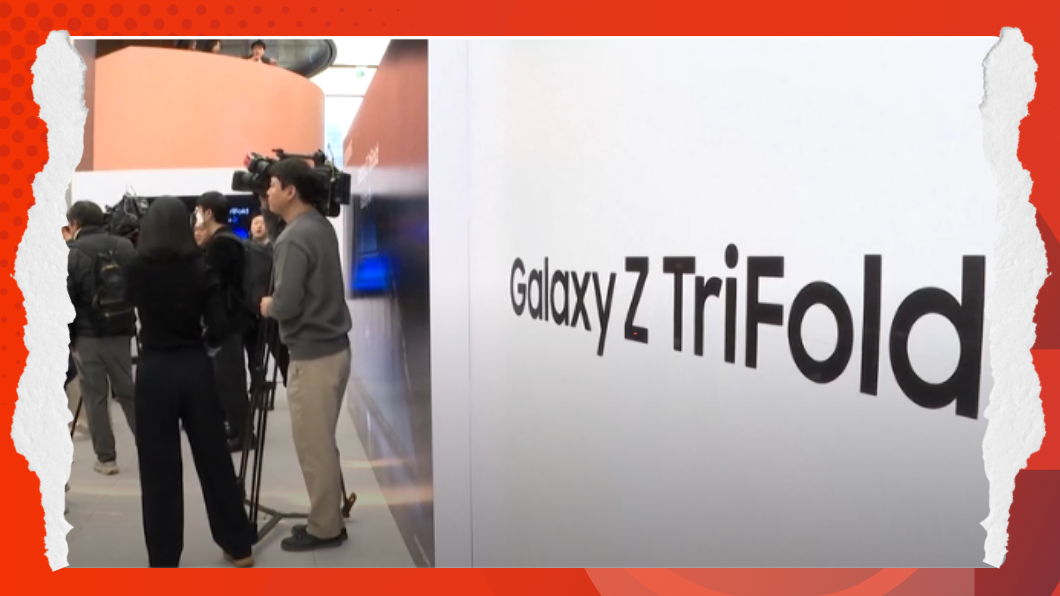
Samsung’s foldable phone segment hasn’t met expectations. Roh said the market for foldable devices, which Samsung pioneered in 2019, has grown more slowly than the company had hoped.
He blamed engineering complexities and a lack of apps designed for foldable screens. Still, he expects foldables to go mainstream in the next two to three years.
Samsung controlled nearly two-thirds of the foldable smartphone market in the third quarter of 2025, according to Counterpoint. But competition is heating up. Chinese companies like Huawei are pushing hard in the space. Apple is also expected to launch its first foldable phone this year.
Despite the slow growth, Roh noted that “very high” numbers of foldable phone users stick with the format when they upgrade.
What Samsung’s 800 Million Galaxy AI Target Means for the Mobile Industry
Samsung’s plan to put Galaxy AI on 800 million devices by 2026 shows how fast AI is becoming standard in smartphones. The company isn’t just adding features to flagship phones anymore. It’s spreading AI across its entire product range.
This strategy helps Samsung compete with Apple, which was projected to be the top smartphone seller last year by Counterpoint Research. Samsung wants to beat Apple by offering integrated AI services across more devices and price points.
For consumers, this means more phones with AI features at different price levels. For Google, it means Gemini becomes the default AI experience for hundreds of millions of Android users. And for the industry, it shows AI is no longer optional. It’s becoming as basic as a camera or a battery.
Samsung’s bet on Galaxy AI powered by Google Gemini could reshape the smartphone landscape in 2026. If the company hits its 800 million device target, Google will have a strong lead in getting its AI technology into people’s daily lives.