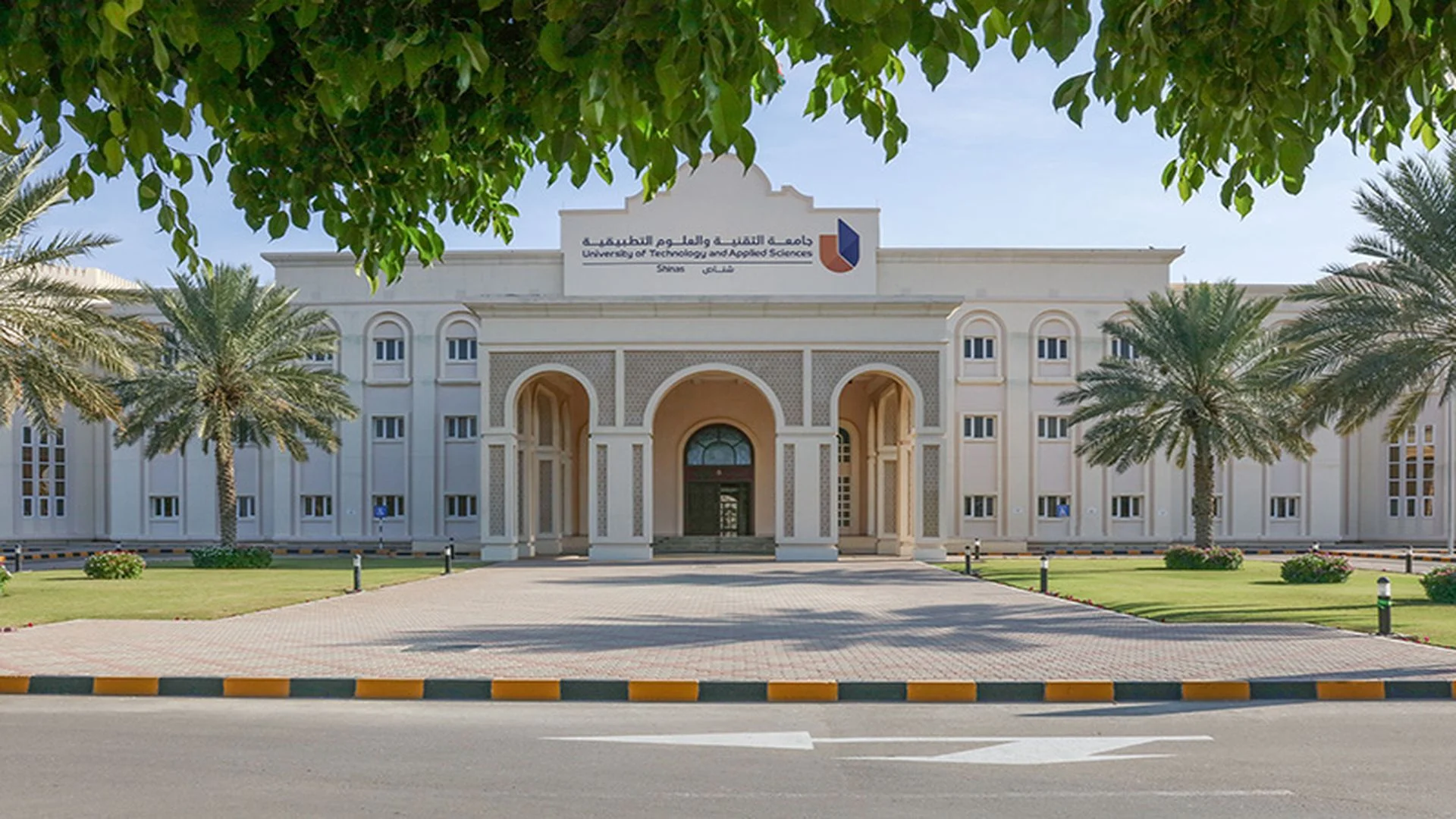
Across Oman, a new generation of innovators is demonstrating how sustainability and economic opportunity can intersect. A team of Omani students has developed a prototype that converts fish and seafood waste into biodegradable biopolymers, showing how one of the region’s most abundant waste streams can be transformed into a valuable industrial resource.
Their achievement signals a pathway for countries around the world to rethink waste, reduce plastic dependency and build new green industries.
Transforming Waste Shells Into High-Value Materials
The students used discarded fish and shrimp shells to produce chitosan, a biodegradable compound with a wide range of applications. Chitosan is already used in pharmaceuticals, water treatment, food packaging, agriculture and advanced material sciences.
By proving that it can be produced from local seafood waste using accessible methods, the students have demonstrated how coastal economies can create entirely new supply chains built on materials that are renewable, compostable and far less environmentally damaging than traditional plastics.
A Model for Circular Economies
What makes this project stand out is its scalability. Fish waste is abundant in Oman and many coastal nations, yet much of it is disposed of in landfills or at sea. Converting it into biopolymers opens the door to a circular economy where waste becomes a raw material, industries gain new revenue streams and environmental pressure is reduced.
The global demand for sustainable materials is rising rapidly. Industries are under pressure to replace petroleum-based plastics with biodegradable alternatives. Innovations like this offer a practical roadmap for meeting that demand while keeping production local.
Why the World Should Pay Attention
This project reflects broader global ambitions to shift toward low-carbon manufacturing and the responsible use of materials. The biopolymer market is expanding quickly, driven by packaging reform, environmental policy and corporate sustainability commitments.
If countries invest in similar initiatives, they could produce high-value biopolymers at scale, reduce reliance on imported plastics and support emerging green manufacturing sectors.
What began in a university laboratory could evolve into a national industry, and that model could be replicated across continents.
A Call for Collaboration and Investment
To unlock its full potential, the prototype needs investment from commercial partners, support from government agencies and access to industrial facilities capable of scaling production. Such collaboration would not only accelerate Oman’s circular economy efforts but also position the region as a leader in sustainable materials.
Across the world, policymakers and investors should view this as a template for transforming overlooked waste streams into profitable, environmentally responsible products.
A Small Innovation with Global Implications
Omani students have shown that meaningful climate solutions do not always come from large corporations or global laboratories. Sometimes, they begin with local resources, practical experimentation and a vision for a cleaner future.
Turning fish waste into biodegradable biopolymers is a statement that the world can rethink waste, support youth innovation and build new industries that are both profitable and environmentally sound.
The global community should take note. This is the kind of idea that reshapes economies and accelerates the transition toward sustainable materials.