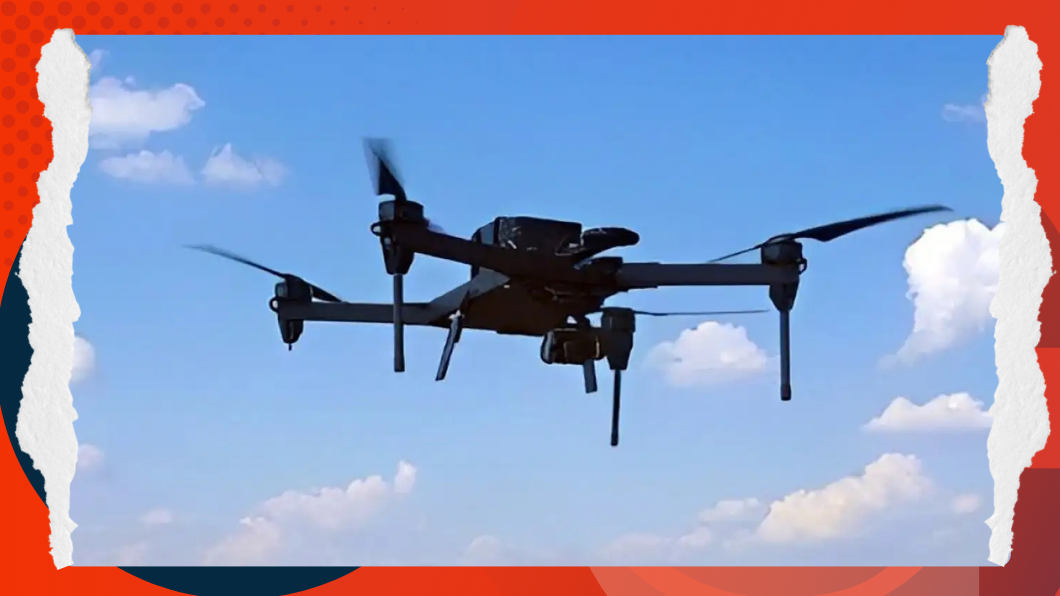
Egypt just unveiled a tech-heavy plan to protect its most precious resource. The nation now uses drones and artificial intelligence to monitor every drop of Nile water. This could determine whether 104 million people face water shortages in the coming decade.
Water Minister Hani Sewilam announced the Second Generation Egyptian Irrigation System 2.0 at Morocco’s World Water Congress this week. The system deploys satellite monitoring, AI forecasting, and drone surveillance across 55,000 kilometers of canals and waterways.
Drones Track Water Thieves and Weed Invasions
The new system sends drones to patrol Egypt’s vast irrigation network. These flying monitors spot illegal water diversions, track aquatic weeds that block canals, and measure shoreline erosion. AI systems then process this data to predict Nile water levels weeks in advance.
“We’re using advanced technologies to track aquatic weeds, monitor violations along waterways, analyze shoreline changes, and create 3D models of hydraulic structures,” Sewilam told water officials from 50 countries attending the congress.
The digital monitoring covers electronic groundwater licensing, national water databases, and maintenance platforms. Officials can now see water theft attempts in real-time and dispatch teams to stop violations before they drain precious supplies.
Egypt Faces Water Disaster Without Action
Egypt’s water crisis grows more severe each year. The country has just 500 cubic meters of water per person annually, far below the UN’s 1,000 cubic meter threshold for water security. By 2030, experts predict this will drop to dangerous levels as the population grows and climate change intensifies.
The Grand Ethiopian Renaissance Dam upstream threatens to reduce Nile flows further. Ethiopia’s massive dam project could cut Egypt’s water share by billions of cubic meters each year, forcing the nation to find alternative sources quickly.
“With a fixed share of Nile water and rising demand from population growth, Egypt faces one of the most difficult water-deficit situations in the region,” government reports show.
Massive Treatment Plants Add Billions of Water Gallons
Three giant water treatment facilities now boost Egypt’s supply by 4.8 billion cubic meters yearly. The Bahr El-Baqar, Al-Mahsamma, and New Delta plants process sewage and agricultural drainage into clean irrigation water.
The New Delta plant alone handles 7.5 million cubic meters daily, earning four Guinness World Records as the planet’s largest water treatment facility.
These projects recycle water that once flowed unused to the Mediterranean Sea. Treated water now irrigates desert farms and supports Egypt’s push to grow food in previously barren areas.
Smart Irrigation Prevents Desert Agriculture Waste
Egypt’s desert reclamation projects depend on precise water management. The AI system controls drip irrigation in sandy soils, preventing over-watering that could waste millions of gallons daily.
Sensors measure soil moisture and plant needs, then deliver exact water amounts through computerized networks. This technology helps Egypt expand farming into the Western Desert while using 40% less water than traditional flooding methods.
The system also captures rainwater through 1,600 flood protection structures. These collect rare desert storms and channel water into underground storage systems.
Egypt Shares Water Tech With African Partners
Sewilam announced Egypt’s readiness to export its water management technology across Africa. The Second Generation System serves as a model for other Nile Basin countries facing similar water stress.
“Egypt views the Second-Generation System as both a national tool and a model that can be shared with other African countries,” the minister stated during the Morocco congress.
This technology transfer could help Sudan, South Sudan, and Uganda optimize their water resources while supporting regional cooperation on Nile management.
Real-Time Monitoring Prevents Infrastructure Failures
The AI system creates 3D models of dams, bridges, and canal structures. Engineers use these digital twins to predict maintenance needs before costly failures occur.
Satellite imagery tracks structural changes while ground sensors monitor water pressure and flow rates. This data helps prevent canal collapses that could flood farms or cut water supplies to cities.
The monitoring network operates 24/7, alerting officials to problems within minutes. Emergency teams can respond quickly to fix issues before they affect water distribution to millions of users.
Technology Fights Corruption in Water Distribution
Digital licensing and automated monitoring make it harder for officials to steal water or grant illegal permits. Every water allocation gets tracked through blockchain-style records that prevent tampering.
Farmers apply for water permits online, reducing opportunities for bribery. Automated systems approve valid requests based on preset criteria, removing human bias from the process.
This transparency helps ensure fair water distribution during drought periods when every drop becomes precious.