
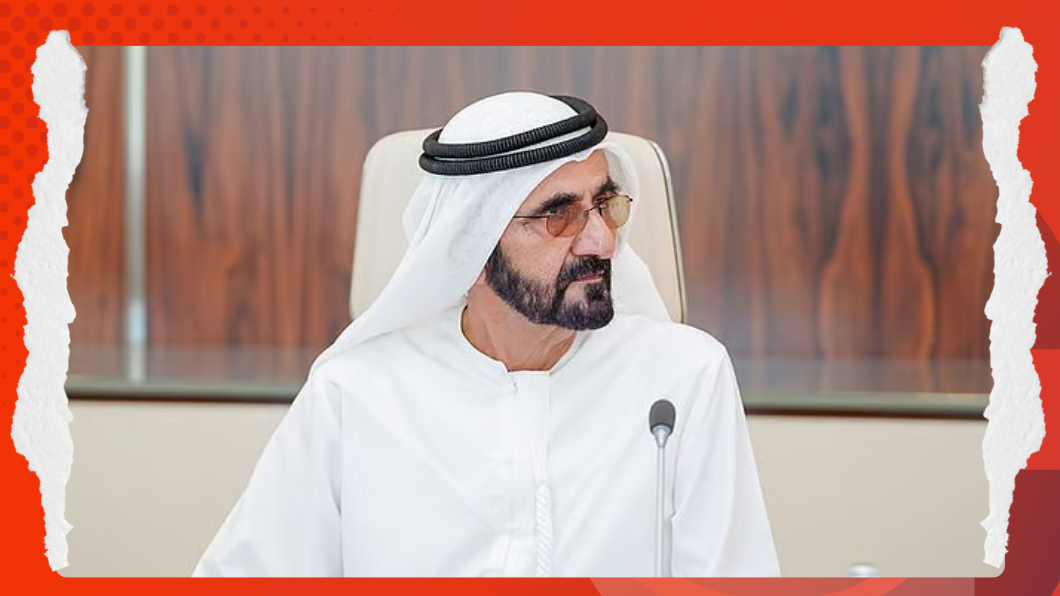
Dubai has always been deliberate about building a city where people feel safe in. On March 6, 2026, Sheikh Mohammed bin Rashid Al Maktoum, Vice President and Prime Minister of the UAE and Ruler of Dubai, signed Law No. 2 of 2026 on public safety. The law takes effect on June 1, 2026, and it covers more ground than any safety legislation the emirate has seen before. It is not just a set of rules. It is a statement about how a city uses governance, technology, and community participation to protect every person inside its borders.
Dubai currently ranks 4th globally in the IMD Smart City Index 2025, and the UAE earned the title of the world’s safest country in 2026. This new law strengthens that standing with a firm legal foundation.
The Law That Replaces 23 Years of Old Rules
Law No. 2 of 2026 replaces Local Order No. 11 of 2003, which governed public health and community safety in Dubai for over two decades. That old legislation predates the smartphone, the smart city, and the level of urban complexity Dubai now manages. The new law acknowledges where the city is today and where it is heading.
Dubai Municipality’s Environment, Health and Safety Agency now holds the primary responsibility for overseeing public safety across the emirate. It works in coordination with other relevant authorities, and the law gives it clearly defined powers to do its job. Affected parties have two years to fully comply with the new requirements, with a possible one-time extension subject to approval from the Executive Council.
What Venues, Events, and Property Owners Must Do Now
The law sets strict safety standards for any place where people gather. Event organizers and venue operators must now ensure proper lighting and ventilation, safe entry and exit points, and controlled crowd numbers to prevent dangerous overcrowding. Noise levels must stay within limits that protect hearing.
Beyond that, every covered venue must have fire-fighting equipment, alarm systems, emergency evacuation plans, first-aid supplies, trained safety supervisors, and visible safety signage. Each operator must also produce a written public safety management plan. These requirements directly support Dubai’s growing tourism and entertainment economy, where millions of visitors attend events every year.
Additionally, the law extends to residential buildings, electrical equipment maintenance, swimming pools, and beaches. Property owners and service providers carry direct responsibility for compliance. Dubai Municipality and relevant authorities hold no liability for harm that results from an owner’s failure to meet these standards. The law places accountability exactly where it belongs.
The Public Also Has Responsibilities Under This Law
This law is not aimed only at businesses and operators. It also defines what every resident and visitor must do. People must follow all safety procedures in public spaces, cooperate with safety supervisors, and obey evacuation instructions during emergencies.
At beaches, this means observing designated swimming times and staying out of restricted zones. When using public equipment, people must follow the posted safety instructions. The law also forbids anyone from handling explosives, fireworks, toxic substances, or flammable materials without proper authorization. Tampering with manholes, sewer pipes, or stormwater drains carries the same prohibition. Products intended for public use must carry safe-use instructions in both Arabic and English, making safety information accessible to Dubai’s multi-national population of over 200 nationalities.
Fines Go Up to AED 2 Million for Repeat Offenders
The penalties under this law are serious. A first-time violation attracts a fine of anywhere between AED 500 and AED 1,000,000. Anyone who repeats an offence within the same year faces a doubled fine of up to AED 2,000,000.
Authorized officials from Dubai Municipality and relevant authorities hold judicial enforcement powers. They can document violations, issue formal reports, and involve the police when necessary. Those who disagree with a decision under this law can file a written appeal within 10 working days. A committee appointed by the Director General of Dubai Municipality reviews each appeal within 30 days, and its decision is final. The law gives people a fair process while ensuring accountability stays intact.
The Eltizam App Takes Enforcement Into the Digital Age
One of the most practical tools supporting this new law is the Eltizam application. Dubai Municipality developed this smart digital platform specifically to monitor urban violations. A separate resolution, Resolution No. 2 of 2026, officially granted designated Dubai Government officials the legal authority to use the app for reporting and documenting violations.
Eltizam allows authorized officials and select members of the public to document activities that compromise the city’s standards. Officials can request police assistance, engage specialized experts, conduct on-site inspections, record formal witness statements, and gather evidence through the platform. The app makes urban compliance transparent, organized, and traceable, turning what was once a slow administrative process into a fast, digitally logged action.
Marwan Ahmed bin Ghalita, Director General of Dubai Municipality, described the app as a tool that deepens the partnership between the government and the community. His statement makes the intent of this tool clear. Dubai wants people to feel invested in the safety of the spaces around them, not just subject to rules handed down from above.
Dubai’s Tech Infrastructure Already Supports This Law
This law does not operate in isolation. Dubai has spent years building the digital infrastructure that makes enforcement both possible and efficient. Dubai Police already use AI-powered facial recognition, license plate scanning, and predictive analytics to deploy officers where they are needed most. Smart Police Stations across the city run 24 hours a day, 7 days a week, without human staff, allowing residents to report incidents or access services through digital kiosks.
Thousands of high-definition cameras installed in public areas, roads, and transport systems feed live data into smart monitoring centers. Those centers use artificial intelligence to detect suspicious behavior and respond in real time. Drones and AI-powered smart patrol vehicles add another layer of visibility across the city. This network of technology means that enforcement of the new safety law can draw on an already mature digital ecosystem rather than starting from scratch.
The Roads and Transport Authority launched its Artificial Intelligence Strategy 2030 in the first half of 2025. It includes 81 projects aligned with the UAE AI Strategy 2031. Its Big Data Platform already connects 49 internal systems and continues growing at 30% annually. These systems help manage traffic flow, prevent accidents, and support emergency response.
A City That Builds Safety Into Its Foundation
Today’s Dubai hosts tens of millions of tourists annually, operates some of the world’s busiest venues and transport networks, and manages a population drawn from over 200 countries. The safety systems supporting all of that had to grow to match.
For residents, the law clarifies what responsible participation in public life looks like. For businesses and venue operators, it sets a clear standard that protects both their guests and their operations. For the rest of the world watching how cities handle growth, public safety, and the integration of technology into governance, Dubai has just published a very detailed answer.
Other cities are also building smart infrastructure. Very few have paired it with the kind of structured legal accountability that this law provides. The combination of clear rules, steep financial consequences, digital enforcement tools, community participation, and AI-powered monitoring creates a model that goes further than surveillance alone. It builds a culture of shared responsibility, backed by the technology to enforce it.