Dubai-based authentication startup Relik has closed a seed investment round to accelerate its mission of restoring trust in authenticity amid a global counterfeit crisis. The round drew participation from KBW Ventures, Naatt Holding, Fort Holding, and prominent investor Ayman Sejiny, positioning the UAE-born company to expand across sports, luxury, and heritage markets.
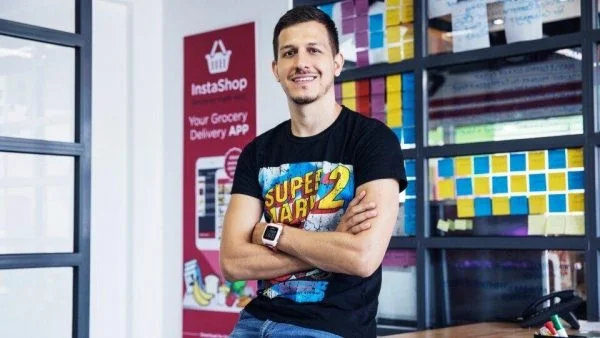
Founded in 2023 by Walid Tarabih and later joined by John Tsioris, co-founder of InstaShop, Relik arrives at a critical moment. The global counterfeit market now exceeds $467 billion, and generative AI technologies are making it increasingly difficult to distinguish authentic items from sophisticated fakes. The company’s technology aims to protect not just economic value but cultural legacy and creative identity.
Hardware-Free Authentication Technology
Relik’s platform distinguishes itself through its approach to verification. The company creates unique digital identities for physical assets without requiring external hardware like NFC chips, RFID tags, or QR codes. Using only a smartphone, anyone can verify an item’s authenticity within seconds through the Relik Vault, an AI-powered authentication platform that gives physical objects a permanent “digital DNA.”
This tamper-proof system permanently binds each item to its provenance and story, creating a transparent record that bridges the physical and digital worlds. The technology eliminates friction in the authentication process while maintaining security, addressing a key barrier to adoption in luxury and collectables markets.
Strategic Leadership and Regional Positioning
The addition of John Tsioris as co-founder and pre-seed investor brings significant operational expertise to Relik’s foundation. Tsioris founded InstaShop, one of the Middle East’s most successful digital ventures, and orchestrated one of the largest technology exits in the MENA region. His experience scaling consumer-facing platforms complements Tarabih’s vision for building trust infrastructure in an increasingly digital economy.
Relik’s UAE base provides strategic advantages as the region invests heavily in technology infrastructure and cultural preservation. The company has already begun building an ecosystem of partnerships with sports legends, museums, and auction houses, targeting sectors where provenance and authenticity carry substantial value.
Combating AI-Enhanced Counterfeiting
The timing of Relik’s funding reflects mounting concerns about authenticity in the age of generative AI. As artificial intelligence makes it easier to create convincing forgeries and manipulated content, traditional authentication methods face new challenges. Relik’s AI-powered approach attempts to match the sophistication of modern counterfeiting techniques while maintaining ease of use for end consumers.
According to Walid Tarabih, the company’s mission extends beyond economics. “Counterfeits don’t just impact economies, they erase identity, creativity and truth,” he explained, framing authentication as essential to preserving cultural heritage and creative work.
HRH Prince Khaled bin Alwaleed bin Talal Al Saud, founder and CEO of KBW Ventures, emphasized the dual significance of Relik’s work. “At a time when counterfeiting and AI-generated content are rising, Relik’s mission to protect authenticity carries both cultural and commercial value,” he noted.
Market Expansion Strategy
The seed funding will support Relik’s rollout across multiple high-value sectors. The company plans to deepen partnerships within the sports memorabilia market, where authentication has long been a challenge for collectors and investors. The luxury goods sector represents another key target, as brands seek to protect their intellectual property and customers demand verification of expensive purchases.
Cultural institutions and heritage preservation organisations also play a prominent role in Relik’s expansion plans. Museums and auction houses increasingly require robust authentication systems as they digitize collections and facilitate online transactions. Relik’s hardware-free approach may appeal to institutions handling fragile or historically significant items where physical tags could compromise conservation.
The company’s growth is driven by the increasing attention from investors and enterprises to authentication technology. Traditional verification systems struggle to address the scale and sophistication of modern counterfeiting operations, creating opportunities for technology-driven solutions that can operate efficiently across global supply chains and marketplaces.