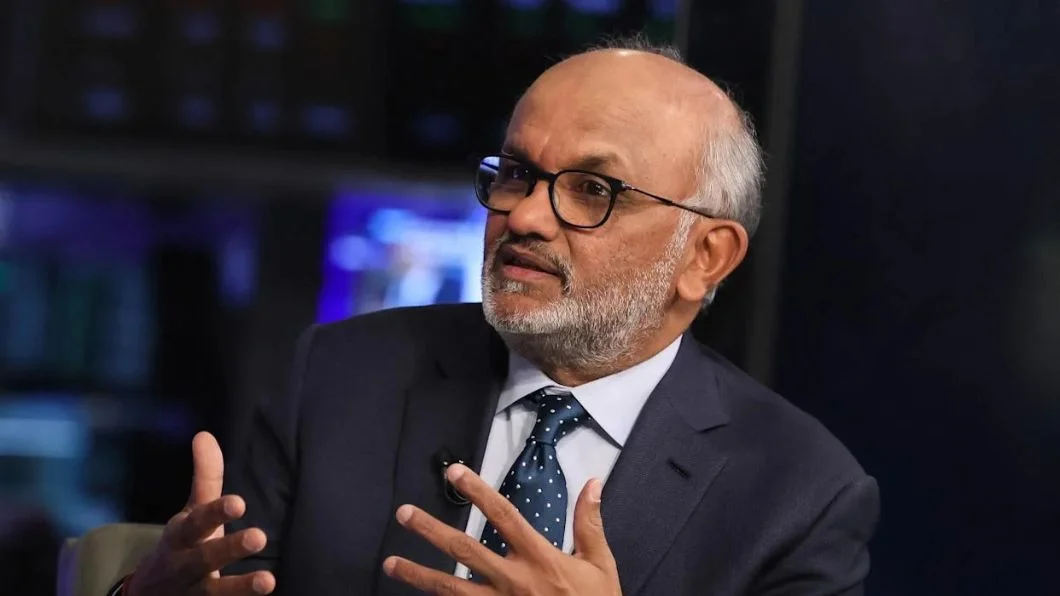
Shantanu Narayen, one of Silicon Valley’s longest-serving chief executives, is stepping down from Adobe after 18 years at the helm. The announcement, made Thursday alongside the company’s first quarter earnings report, sent Adobe stock tumbling more than 7% in extended trading.
Narayen will remain in the role until the board identifies a successor, after which he will transition to chair of the board, a structure mirroring the support Adobe’s co-founders, John Warnock and Charles Geschke, provided when he first took over in 2007.
A Tenure That Redefined the Company
When Narayen became CEO, Adobe was primarily a packaged software business: the kind that sold boxed copies of Photoshop and Illustrator at retail. Over nearly two decades, he oversaw one of the most consequential pivots in enterprise software: the shift to a subscription model anchored by Creative Cloud. While Adobe was not the first to take the SaaS route, it was among the first major tech companies to do so with a flagship creative suite, making the transition a landmark moment for the industry.
Narayen joined Adobe in 1988 as a vice president and general manager before ascending to the top job nearly two decades later. His tenure transformed Adobe from a software licensor into a cloud-driven enterprise serving designers, marketers, and developers worldwide.
Strong Earnings, Uncertain Future
The timing of the departure announcement was notable. Adobe reported Q1 fiscal 2026 earnings per share of $6.06, beating analyst estimates of $5.87, while revenue reached $6.4 billion, up 12.1% year over year and ahead of the $6.28 billion analysts had projected. Narayen also noted that annualised revenue from AI-first products more than tripled year over year.
Yet the strong numbers did little to cushion investor reaction to the leadership news. The market response reflects deeper anxiety about Adobe’s competitive position, particularly as generative AI tools from startups and rivals begin to threaten core Creative Cloud products like Photoshop, Illustrator, and Premiere Pro.
The AI Question Looming Over the Transition
Narayen’s exit comes amid deep scepticism about Adobe’s ability to thrive in the AI era. The creative software market, once dominated by Adobe’s product ecosystem, is increasingly contested by AI-native tools that allow users to generate and edit images, videos, and designs without traditional software expertise.
Adobe has moved to integrate generative AI into its products through Firefly, its in-house AI model, but analysts and investors have questioned whether the pace of integration is sufficient given how rapidly the competitive landscape is shifting.
Who Comes Next
A special committee has been formed to conduct the CEO search, considering both internal and external candidates. Frank Calderoni, Adobe’s lead independent director, will chair the committee.
The incoming CEO will inherit a company with strong fundamentals but a critical strategic test ahead: how to position Adobe’s established product lines against an AI-driven disruption that threatens to commoditize core creative workflows.
Narayen, 62, holds approximately $118 million in Adobe shares and received $51 million in total compensation during fiscal year 2025. In a memo to employees, he said working at Adobe had been “the greatest honour” of his career and was committed to ensuring a smooth handover.