
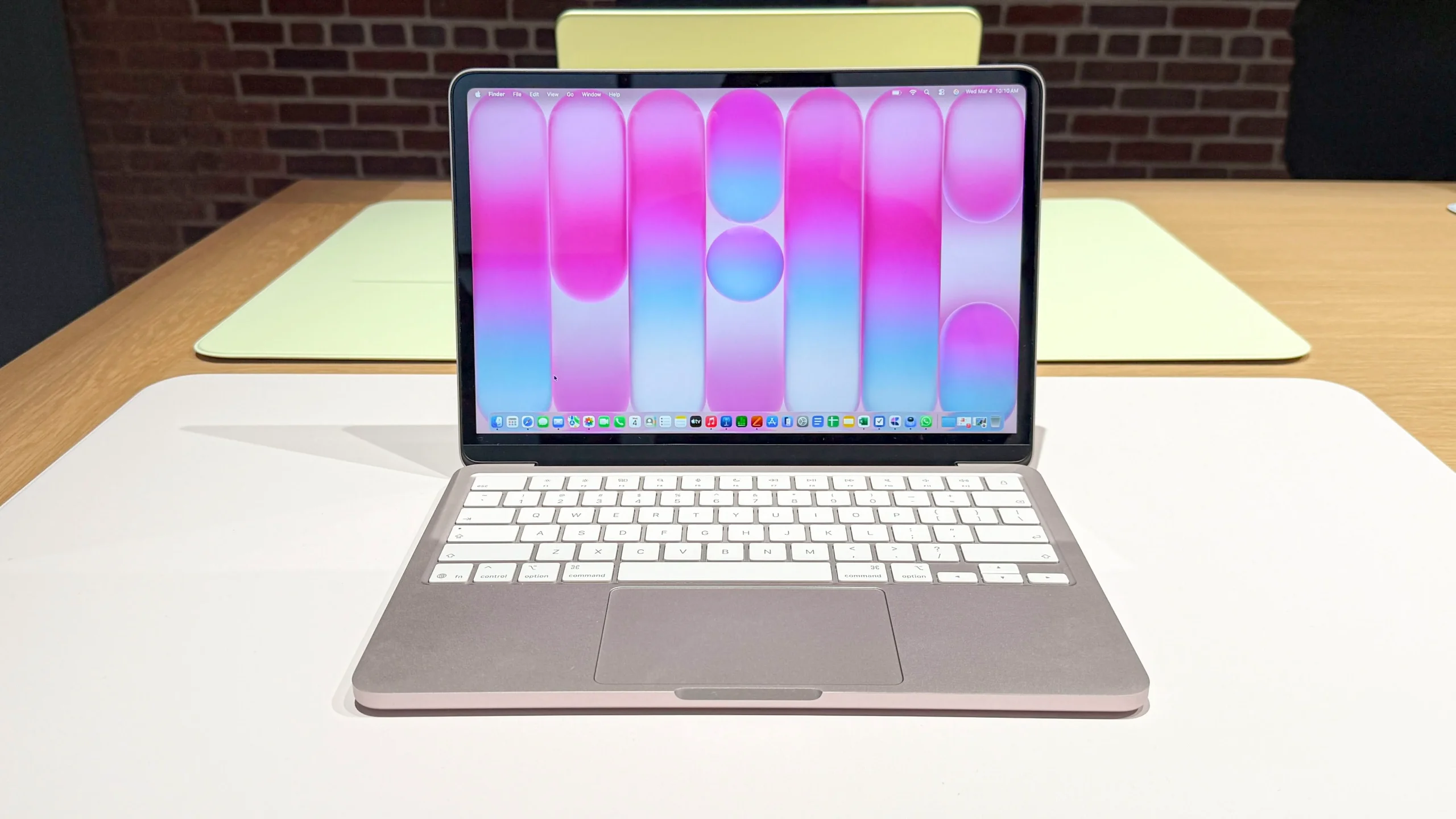
When Apple launched the MacBook Neo, the strategy looked clever on paper. It was to take binned A18 Pro chips (units with one fewer GPU core that were effectively rejected during iPhone production) and repurpose them into an affordable Mac. It also had no new chip fabrication costs, healthy margins, and a competitive entry-level machine. It was resourceful engineering meeting smart accounting.
The problem, according to a recent leak, is that the strategy worked too well.
A Supply Ceiling Nobody Planned For
Apple reportedly had between 5 and 6 million leftover A18 Pro chips available for the Neo at launch. Because these chips had already been manufactured and written off from the iPhone supply chain, they came at virtually no incremental cost to Apple. That headroom is a big part of what made the Neo’s pricing possible without gutting profit margins.
But strong consumer demand is now pushing Apple toward that ceiling faster than anticipated. If the leak holds, Apple is on track to exhaust its binned chip inventory, and when that happens, the economics of the MacBook Neo change entirely.
Three Uncomfortable Options
Apple would essentially be left choosing between three paths, none of them particularly attractive.
The first is restarting A18 Pro production specifically for the Neo. TSMC doesn’t manufacture chips at scale on short notice without a premium, and paying fresh fabrication costs for chips that were previously “free” would significantly compress margins on a product Apple has already priced aggressively.
The second option is simply pulling the Neo from sale until a new chip solution is ready. That carries its own costs: lost revenue, frustrated buyers, and the kind of supply disruption story that tends to follow a brand for months.
The third path, and the most speculative, is accelerating an A19 Pro version of the Neo ahead of the original roadmap. It is the most attractive option in theory, giving Apple a natural refresh narrative rather than an embarrassing shortage story. But it introduces execution risk. If the A19 Pro MacBook Neo launches before Apple has confirmed adequate chip supply, the company risks repeating the exact same problem one product cycle later.
What This Reveals About Apple’s Planning
Beyond the immediate supply crunch, the situation points to a broader planning miscalculation. Apple’s binned chip strategy for the Neo was built on the assumption that supply would comfortably exceed or match demand. Underestimating how well a lower-cost Mac would sell suggests the company may have been too conservative in its demand forecasts.
It also highlights the structural fragility of building a product line around chip surplus. Binned chips are, by definition, a finite and unpredictable resource. They exist because manufacturing yields are never perfect, not because Apple can plan for a fixed number of them. Tying a product’s commercial success to that supply is a bet that pays off cleanly only if demand stays modest.
What Comes Next
Apple has not confirmed any of this publicly, and the company rarely comments on supply chain specifics ahead of announcements. But if the demand trajectory described in the leak is accurate, a decision will need to be made in the near term.
The most likely outcome is a quiet pivot, either a discreet supply throttle that slows Neo availability without a formal announcement, or an accelerated roadmap reveal that positions an A19 Pro Neo as an upgrade rather than a fix. Either way, the MacBook Neo’s early success story is about to get more complicated.
For consumers, the immediate takeaway is straightforward: if you have been considering a MacBook Neo, waiting may not work in your favour.
Note: This article is based on an unverified leak from the account AppleLeaker on X. Apple has not made any official statement on MacBook Neo supply or chip availability. Treat the figures cited as reported claims, not confirmed data.