
Saudi Arabia’s Board of Grievances just set formal principles for AI use in the administrative judiciary. It has launched a principles document that guides how staff use AI. It ties directly to the Cabinet decision that names 2026 the Year of Artificial Intelligence, and aligns with SDAIA ethics rules on fairness, privacy, transparency, and accountability. The goal is to improve speed and efficiency in court work, while keeping transparency and integrity in place.
The Board of Grievances Chairman Dr. Ali Alohaydib directed the launch of a document that sets principles for using AI systems in the administrative judiciary. The Board says it wants to regulate the development and use of smart tools in a responsible way. It also says it will review the principles over time and monitor compliance.
This matters because the Board of Grievances handles disputes linked to administrative actions. Saudipedia describes it as an independent administrative judiciary authority that reports directly to the King. It aims to strengthen judicial oversight and protect rights through the proper application of laws and regulations.
SDAIA ethics rules shape how government teams use AI
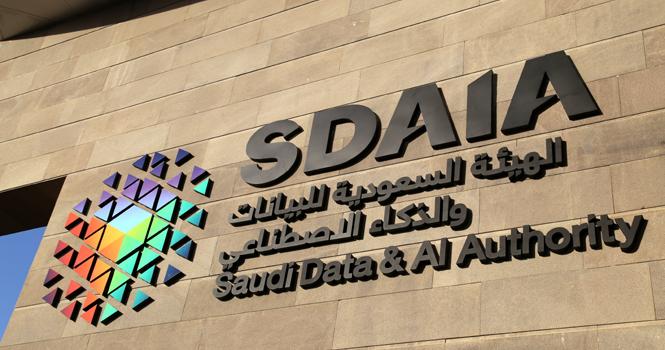
The Board of Grievances says it drafted its principles in line with frameworks issued by the Saudi Data and Artificial Intelligence Authority. That reference matters because SDAIA already publishes a national AI ethics framework that applies across sectors in the Kingdom.
SDAIA’s AI Ethics Principles name seven areas. They include fairness, privacy and security, humanity, social and environmental benefits, reliability and safety, transparency and explainability, and accountability and responsibility. In plain terms, these themes push teams to reduce bias, protect personal data, keep systems safe, explain automated decisions, and keep humans accountable for outcomes.
What these principles mean inside a court office
Courts deal with sensitive facts, personal records, and decisions that change lives. So AI use in courts needs a tighter standard than AI use in casual consumer apps. SDAIA’s framework stresses risk classification, documentation, monitoring, and human oversight across the AI system lifecycle. These ideas fit court workflows where staff must track decisions and explain actions clearly.
In practice, court teams often look at AI for support tasks that save time. Staff can use tools to sort documents, search large case files, detect missing forms, and draft summaries that a human reviews. Courts can also use AI for scheduling and workload planning, as long as teams keep audit trails and clear accountability. SDAIA’s transparency and accountability sections support that approach because they push traceability and ownership, not mystery automation.
Transparency and integrity stay in charge
The Board of Grievances frames AI as a way to enhance efficiency, not as a replacement for judicial responsibility. It also links the initiative to transparency and integrity, which signals a clear intent. Staff need rules that set boundaries around data access, model outputs, and human sign-off. Without those boundaries, AI creates faster work but weaker trust.
SDAIA’s ethics framework spells out what transparency looks like in day-to-day operations. It calls for clear communication about how systems reach outcomes, and it supports logging failures and complaints so teams can fix issues in the open. That style of governance matches court expectations where records and reasoning matter.
Ongoing reviews and compliance checks set the real test
The Board of Grievances says it will periodically review its principles and monitor compliance. That detail matters more than the launch itself. Teams only gain value when they treat governance as ongoing work, not a one-time announcement.
SDAIA also ties ethics to continuous checks. It describes compliance measurement and monitoring, plus investigations and audits with sector regulators. That creates a clear model for how public bodies can keep AI use under control as tools improve and risks change.
What to watch next in 2026
Expect Saudi institutions to link AI projects to public trust goals, not only speed goals. The Year of AI label raises expectations, and court work draws attention fast because people care about fairness. As more agencies roll out AI programs, the strongest projects will show three things. Clear rules, clear oversight, and clear responsibility when systems fail. The Board of Grievances has now put those themes on paper for its own domain.