Morocco’s Ministry of Digital Transition and Administrative Reform organized the RamadanIA Hackathon across all 12 regions of Morocco simultaneously. Students, researchers, young entrepreneurs, and developers gathered in their respective regions and spent three intensive days building artificial intelligence solutions for problems their communities face every day. The results are striking, not just for the ideas produced, but for what this event says about where Africa stands in the global AI race.
What the RamadanIA Hackathon Actually Is
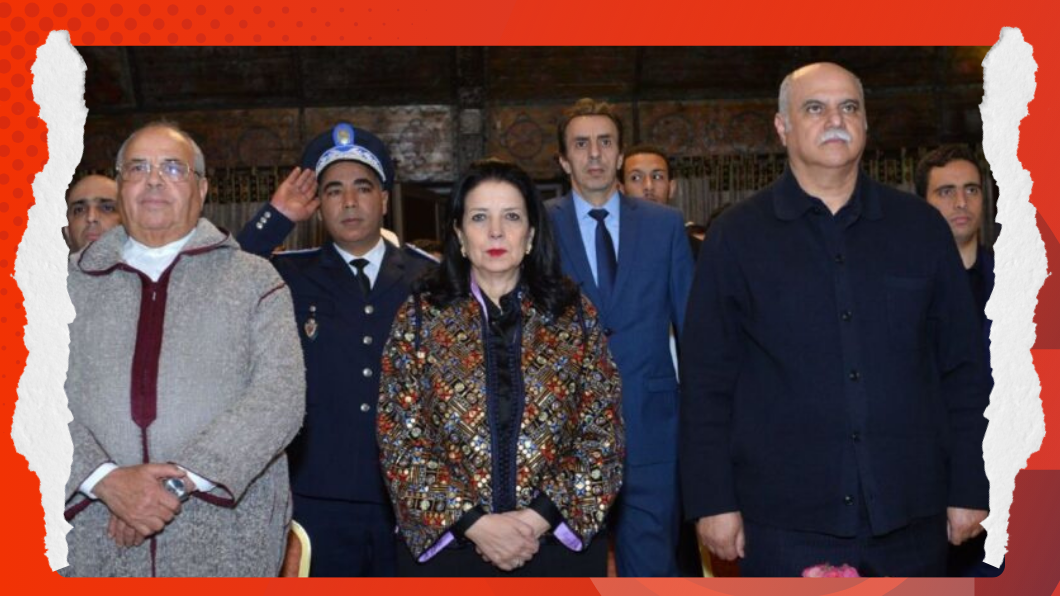
The RamadanIA Hackathon is a national competition. Morocco’s government designed it to find, support, and amplify locally built AI solutions that address real social and economic challenges across the country. Minister Amal El Fallah Seghrouchni, the Minister Delegate in charge of Digital Transition and Administrative Reform, led the initiative personally and attended multiple regional closing ceremonies throughout the competition.
The hackathon does not restrict participants to one central city. Each of Morocco’s 12 regions hosted its own edition, which means a student in Dakhla in the south competes with peers in the same region, while a developer in Tangier in the north builds solutions suited to northern Morocco’s specific needs. This format ensures that the competition reflects local realities rather than a single national template.
The event forms part of Morocco’s broader national programme called “AI Made in Morocco,” launched with a clear goal. The government wants Morocco to produce its own sovereign AI solutions, not simply consume technology built elsewhere.
12 Regions, One National Mission
The hackathon ran in phases across Morocco during Ramadan. The first phase took place between February 20 and 22 in the country’s three southern provinces, Guelmim-Oued Noun, Laâyoune-Sakia El Hamra, and Dakhla-Oued Eddahab. A second stage followed in Merzouga, in the southeastern province of Drâa-Tafilalet. Later phases covered Rabat-Salé-Kénitra, Béni Mellal-Khénifra, and Casablanca-Settat, among other regions. The final stage concluded in Tangier in the Tangier-Tetouan-Al Hoceima region, where the minister personally presided over the closing ceremony.
The choice of locations carries its own message. Holding stages in Merzouga and Dakhla, areas far from Morocco’s main tech hubs, signals that the government deliberately prioritized territorial equity. The minister noted at the Merzouga event that the hackathon was designed to address specific local needs in rural and mountainous areas, including water resource management, oasis development, and improving access to public services in underserved communities.
The AI Solutions That Won in Dakhla
The projects that emerged from the southern region of Dakhla-Oued Eddahab offer a clear picture of the type of thinking Morocco is trying to nurture.
The first prize, called the Regional Excellence Award, went to a project named TalibWay. This is an AI-powered school orientation platform that helps students figure out the right academic path. A student inputs their academic results, personal goals, and interests, and the platform uses that data to recommend study programs and institutions best suited to their plans. The problem TalibWay addresses is real. Many North African students make critical academic decisions with little guidance, and the consequences of a wrong choice often prove costly.
The second prize, the Innovation Award, went to a project called Bahriya. This platform applies AI to the fishing industry by analyzing fishing-related data and recommending the right periods for biological rest, the times when fishing should pause to allow marine life to replenish. The solution tries to balance the economic needs of local fishermen with the environmental need to preserve the region’s marine resources. Dakhla sits on the Atlantic coast and depends heavily on the fishing industry, so this project addresses a genuinely urgent local challenge.
The third prize, the Impact Award, went to a project called Solar. This system uses AI to monitor solar panels and detect when sand or dust is reducing their efficiency, as well as identifying hidden technical faults that might reduce energy output. Dakhla has enormous solar energy potential but also faces constant sand-related challenges, making this kind of smart maintenance tool practically useful for the region’s growing solar infrastructure.
The Grand Prize Winner in Tangier
At the Tangier stage, the Grand Prize for the Tangier-Tetouan-Al Hoceima region went to a group called Ichara. Their project focused on translating sign language using AI. The solution addresses the communication barrier that deaf and hard-of-hearing people face in Morocco daily, a challenge that existing infrastructure and services rarely acknowledge.
This kind of project reflects a wider theme across the RamadanIA Hackathon. The competition did not just reward technical novelty. It rewarded solutions that directly improve the lives of people who are often left behind by technology.
What the Hackathon Tells Us About African Tech
The RamadanIA Hackathon matters beyond Morocco’s borders for a straightforward reason. It demonstrates that African governments can design national AI programs that directly engage grassroots talent across the entire country, not just in capital cities or tech corridors.
The solutions that won prizes in Dakhla and Tangier did not originate in Silicon Valley or a European tech lab. They came from young Moroccans who understand their local fishing industry, their students’ academic struggles, their deaf neighbours’ daily barriers, and their region’s solar potential. That local knowledge is an asset that foreign AI tools cannot replicate.
Minister Seghrouchni stated repeatedly throughout the hackathon that the goal is for Morocco to produce technology, not simply adopt it. With a government investing in infrastructure, institutes, regional coverage, and international partnerships, and with young people responding with real, working prototypes, that ambition is already moving beyond words.
The most valuable projects from the competition will receive mentorship support, access to pilot-phase development, and potential exposure at major international technology events including GITEX Africa. That pathway from hackathon prototype to nationally supported product is exactly the kind of bridge that African tech ecosystems have historically lacked. Morocco is now building it deliberately.