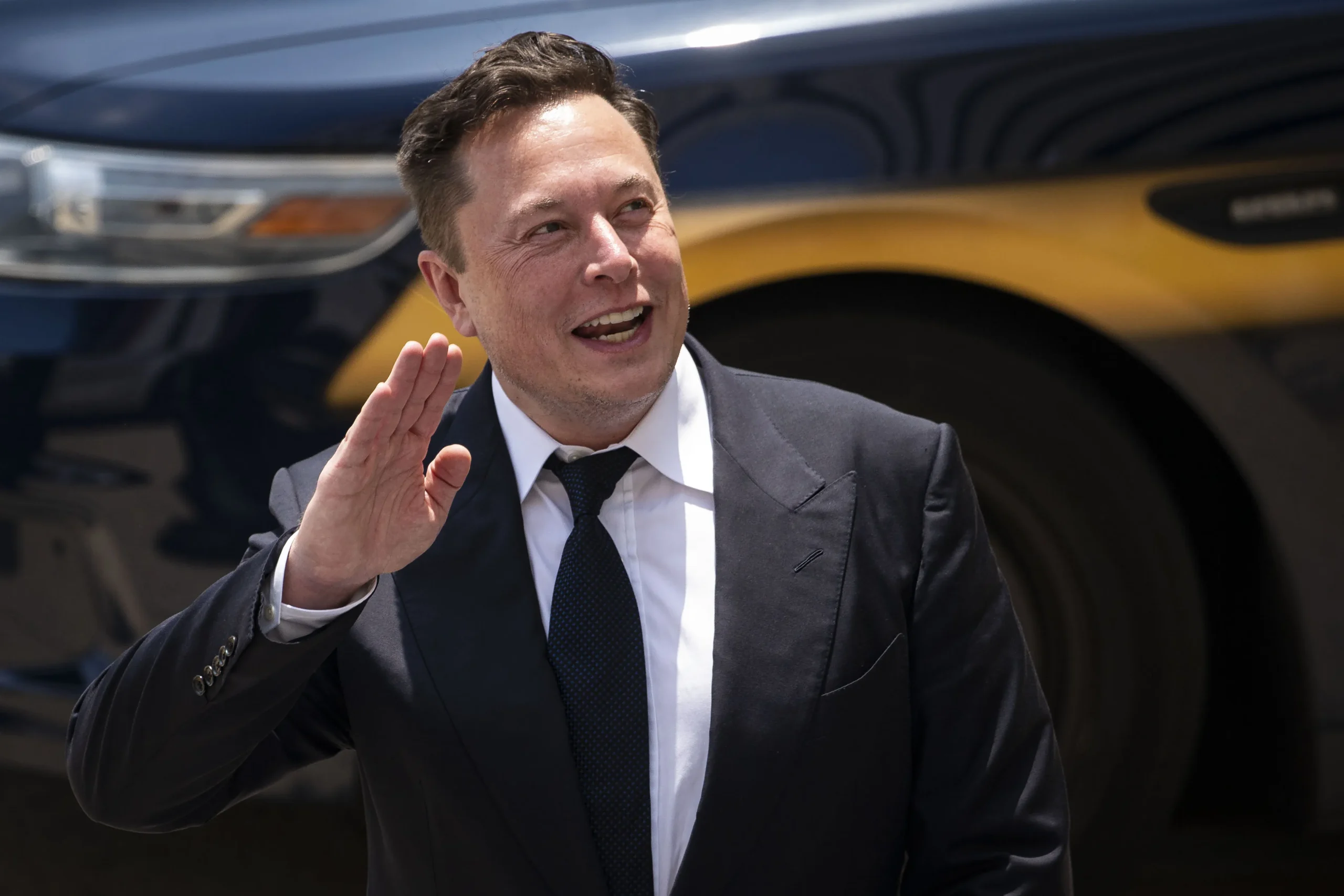
Elon Musk ended 2025 with a net worth estimated between $682 billion and $718 billion, more than double that of his nearest competitor. This staggering figure represents a historical moment in wealth accumulation. The Tesla and SpaceX CEO now stands on the threshold of becoming humanity’s first trillionaire, a milestone that once seemed purely theoretical but now appears increasingly plausible within the next few years.
The Numbers Tell an Extraordinary Story
The trajectory of Musk’s wealth has been nothing short of meteoric. In early 2020, his net worth stood at approximately $27 billion. By the end of that year, it had ballooned by $150 billion, driven primarily by Tesla’s surging stock price. Fast forward to January 2026, and Musk’s fortune has grown more than 25-fold in just six years.
What makes this growth particularly remarkable is its acceleration. In 2025 alone, Musk added $215 billion to his net worth, a single-year increase that would itself rank as one of the largest personal fortunes on Earth. He became the first person to surpass $300 billion in 2021, $400 billion in December 2024, $500 billion in October 2025, and $600 billion in mid-December 2025.
The gap between Musk and the world’s other billionaires has become almost comical in its disparity. His wealth now exceeds that of second-place Larry Page by more than $375 billion, a margin that would itself constitute the third-largest fortune globally if considered separately.
The Tesla Engine
Tesla remains the bedrock of Musk’s wealth empire. The electric vehicle manufacturer has transformed from a niche carmaker into a technology titan with a market capitalisation exceeding $1.6 trillion. Musk owns more than 15% of the company, and his stake fluctuates dramatically with every movement in Tesla’s stock price.
But the real wealth multiplier comes from Musk’s compensation structure. Unlike traditional CEOs who receive salaries and bonuses, Musk’s earnings are tied entirely to performance milestones. In November 2025, Tesla shareholders approved a compensation package potentially worth $1 trillion over 10 years if specific goals are met. The package comprises 12 tranches of shares granted as Tesla hits certain market value and operational targets, potentially increasing Musk’s ownership from approximately 12% to 25%.
This unprecedented arrangement, the largest ever structured between a CEO and company board, means that if Tesla continues its growth trajectory and Musk meets all the performance benchmarks, he could add another trillion dollars to his net worth through this single compensation package alone. Even accounting for the decade-long vesting period, this position has him firmly on the path to trillionaire status.
SpaceX: The Rocket Fuel for Trillionaire Status
While Tesla provides the foundation, SpaceX may be the catalyst that propels Musk across the trillion-dollar threshold. The private aerospace company has been valued at approximately $800 billion in recent share sales, making it the world’s most valuable private company.
SpaceX is pursuing a 2026 initial public offering targeting a valuation of approximately $1.5 trillion, which would make it one of the largest IPOs in history. When journalist Eric Berger reported these IPO plans, Musk confirmed the timeline was accurate, lending credibility to the speculation.
Musk owns roughly 43% of SpaceX, though he controls about 79% of voting shares. At the current $800 billion private valuation, his SpaceX stake alone is worth approximately $344 billion. If the company achieves its $1.5 trillion IPO valuation target, Musk’s stake could be worth $645 billion, even before accounting for potential appreciation after going public.
The business case for such an astronomical valuation rests on several pillars. Starlink, SpaceX’s satellite internet constellation, has already reached an estimated 7 to 8 million users worldwide and generates the bulk of the company’s revenue. Analysts estimate SpaceX is doing approximately $15 billion in annual revenue, projected to grow to between $22 billion and $24 billion in 2026, with revenue growth accelerating past 50% annually.
Beyond Starlink, SpaceX dominates the global launch market with unprecedented efficiency. The company completed more than 160 launches in 2025, accounting for more than half of all orbital launches conducted worldwide. One Falcon 9 booster has flown and landed successfully 32 times, with turnaround times as short as three weeks. This reusability dramatically reduces costs and positions SpaceX as the world’s preeminent launch provider.
The xAI Wild Card

Adding another dimension to Musk’s wealth equation is xAI, his artificial intelligence venture. In March 2025, xAI merged with X (formerly Twitter) in a transaction that valued the combined entity at $113 billion. By some estimates, Musk owns approximately half of xAI, which is racing against OpenAI and the AI divisions of tech giants like Alphabet and Microsoft.
As AI continues its explosive growth and captures ever-larger shares of global technology spending, xAI’s valuation could multiply rapidly. The company’s positioning at the intersection of social media data and artificial intelligence gives it unique advantages in training large language models.
The Volatility Factor
While the path to a trillion dollars appears clear, it’s far from guaranteed. Musk’s wealth is extraordinarily volatile, subject to dramatic swings based on stock market movements and business developments. His net worth dropped $126 billion between December 2024 and March 2025 due to backlash over his association with the Trump administration.
A small shift in Tesla’s share price can alter Musk’s net worth by billions of dollars within hours. Most of his wealth exists on paper through stock valuations, meaning it’s theoretical until shares are sold. Tesla’s stock experienced significant turbulence in 2025, dropping from nearly $400 per share at the start of the year to $220 in April before recovering.
The Timeline to a Trillion
When might Musk actually cross the trillion-dollar threshold? Current projections vary, but most analysts point to the late 2020s. Several scenarios could accelerate this timeline:
If the SpaceX IPO proceeds in 2026 at or near the $1.5 trillion target valuation, Musk’s stake could approach or exceed $600 billion from SpaceX alone. Combined with his existing Tesla holdings and other assets, this would put him close to $1.3 trillion, assuming Tesla’s value remains stable.
If Tesla hits the milestones required for Musk’s compensation package to vest, even partially, the additional shares could add hundreds of billions to his net worth over the coming years.
Historical Context and Implications
To put Musk’s wealth in perspective, if his net worth were a country, it would rank as the 23rd largest economy in the world, ahead of Belgium, Ireland, Argentina, and Sweden. His personal valuation exceeds the market capitalisations of pharmaceutical giant Johnson & Johnson, luxury conglomerate LVMH, and even Oracle.
The concentration of such enormous wealth in a single individual raises profound questions about economic inequality, the nature of modern capitalism, and the relationship between innovation and wealth accumulation.
Beyond the Billion-Dollar Milestone: What Comes Next?
Musk’s journey to becoming the first trillionaire is not assured, but the pathways are clear and increasingly plausible. The combination of Tesla’s continued growth, the SpaceX IPO, performance-based compensation packages, and success in emerging technologies like AI and autonomous vehicles creates multiple avenues to reach this unprecedented milestone.
What happens after Musk crosses the trillion-dollar mark? His stated goals include establishing a self-sustaining city on Mars, revolutionising transportation through tunnelling and hyperloop technologies, developing brain-computer interfaces through Neuralink, and advancing artificial general intelligence. These ambitions require capital on a scale that perhaps only a trillionaire could command.
Whether one views Musk’s wealth accumulation as the triumph of entrepreneurial capitalism or a symptom of systemic inequality, the numbers tell an undeniable story: barring catastrophic setbacks, the world’s first trillionaire is likely already among us, and his name is Elon Musk. The only questions remaining are when he’ll cross that threshold, how high his wealth will ultimately climb, and what he’ll do with resources greater than the GDP of most nations.