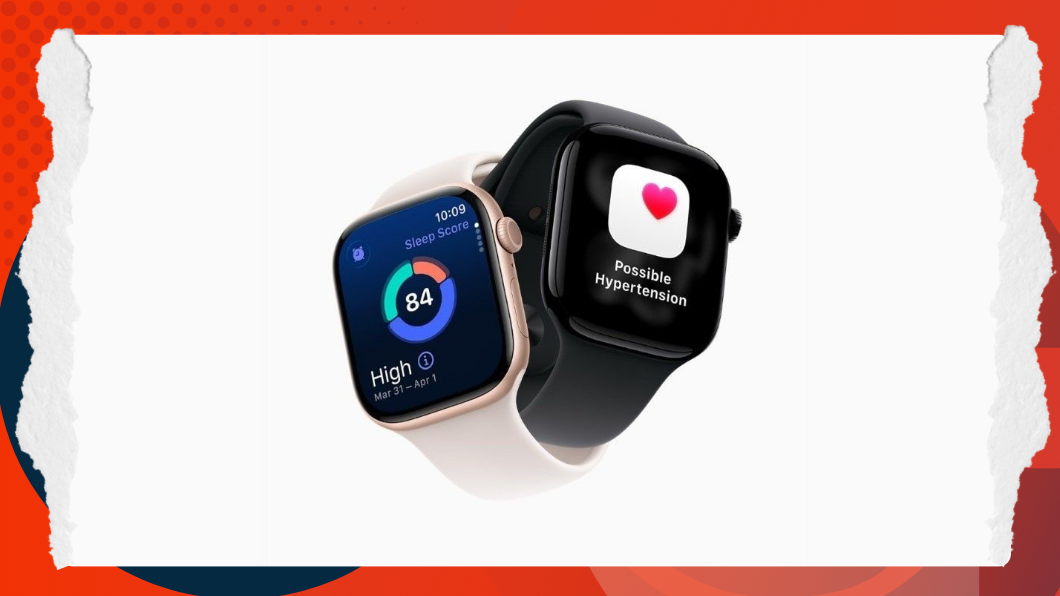
Apple just turned millions of wrists into early warning systems for one of the world’s most dangerous silent killers. The tech giant rolled out hypertension notifications on Apple Watch in the United Arab Emirates, bringing a potentially life-saving feature to a region where high blood pressure affects one in five residents.
The new feature works like a health detective, quietly analyzing your pulse patterns over 30 days. It doesn’t measure blood pressure directly. Instead, it watches how your blood vessels respond to each heartbeat, using advanced algorithms to spot signs of chronic hypertension hiding in plain sight.
High blood pressure kills more people than any other preventable condition, causing heart attacks, strokes, and kidney failure. The scary part is that most people don’t know they have it until serious damage occurs.
Apple Watch Detects Only 4 Out of 10 Cases
The feature comes with important limitations that users need to understand. FDA data shows Apple’s algorithm catches just 41% of all hypertension cases. For severe stage II hypertension, the detection rate improves to 53%. This means many people with high blood pressure won’t get any warning from their watch.
Dr. Emily Rodriguez, a cardiologist at Houston Methodist Hospital, explains the trade-off: “The Apple Watch identifies only about 40% of people with hypertension, but when it does alert you, it’s usually right. The device has high specificity, meaning false alarms are rare.”
Medical experts view this as a screening tool, not a diagnostic device. Think of it like a smoke detector – it won’t catch every fire, but when it goes off, you should pay attention.
UAE Joins 157 Countries in Health Tech Push
The UAE rollout brings Apple’s total coverage to 157 countries and regions. Saudi Arabia and Vietnam also gained access to the feature this week, expanding Apple’s reach across Middle Eastern and Asian markets where hypertension rates run high.
Apple expects to alert over one million people with undiagnosed hypertension within the first year globally. In regions like the UAE, where busy lifestyles often push health checkups to the back burner, this passive monitoring could make a real difference.
The feature requires Apple Watch Series 9 or newer models, including the Ultra 2 and Ultra 3. Users must be at least 22 years old and cannot have existing hypertension diagnoses or be pregnant.
How Blood Vessel Analysis Works
Apple’s approach differs from traditional blood pressure cuffs or even Samsung’s Galaxy Watch, which attempts direct blood pressure readings. Instead, Apple analyzes pulse wave patterns, essentially watching how pressure waves travel through your arteries with each heartbeat.
The optical heart sensor captures these tiny variations continuously. Machine learning algorithms, trained on data from over 100,000 participants, then look for patterns that suggest chronically stiff or narrowed blood vessels – key signs of hypertension.
This passive approach means no daily calibrations or special positioning required. Your watch works silently in the background, only speaking up when it spots concerning patterns over multiple weeks.
Setting Up Your Silent Health Guardian
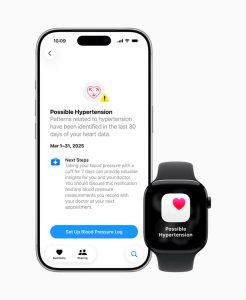
Getting started takes just a few taps in the iPhone Health app. Navigate to Heart settings, then Blood Pressure, and enable Hypertension Notifications. The feature needs 30 days of heart rate data before it can make assessments.
If you receive a hypertension alert, Apple recommends logging your blood pressure for seven days using a proper cuff. Share these readings with your doctor – don’t ignore the warning, even if you feel fine.
Remember, hypertension earned its nickname “the silent killer” because it rarely causes symptoms until serious damage occurs. Your Apple Watch might be the first thing to notice trouble brewing.
Privacy Protections Built Into Health Data
Apple processes all hypertension analysis locally on your watch, never sending raw heart rate data to company servers. Health information syncs only with your iPhone’s Health app, where you control sharing permissions.
This privacy-first approach addresses concerns about sensitive health data security. Unlike some health apps, Apple can’t see your individual readings or sell your information to third parties.
Users can export their data to share with doctors or import readings from other blood pressure monitors. The system works as a personal health vault that you control completely.
What Doctors Want You to Know
Cardiologists stress that Apple Watch hypertension notifications supplement, not replace, regular medical checkups. Dr. Sarah Chen from Mayo Clinic notes: “This technology catches people who might otherwise never discover their hypertension. But negative results don’t guarantee you’re in the clear.”
The American Heart Association updated its guidelines to acknowledge wearable device monitoring for hypertension screening. However, an official diagnosis still requires proper blood pressure cuff measurements under medical supervision.
If your watch alerts you, don’t panic. Schedule a doctor visit and start logging proper blood pressure readings. Many people can control hypertension through lifestyle changes alone if caught early enough.
The feature works best for people who never check their blood pressure regularly. For the millions of UAE residents who avoid routine medical care, this passive monitoring could provide the wake-up call that saves their lives.
Apple’s bet is simple: if smartwatches can catch even a fraction of hidden hypertension cases, the health impact justifies the technology investment. In a region where cardiovascular disease ranks among the top killers, every early warning counts.